

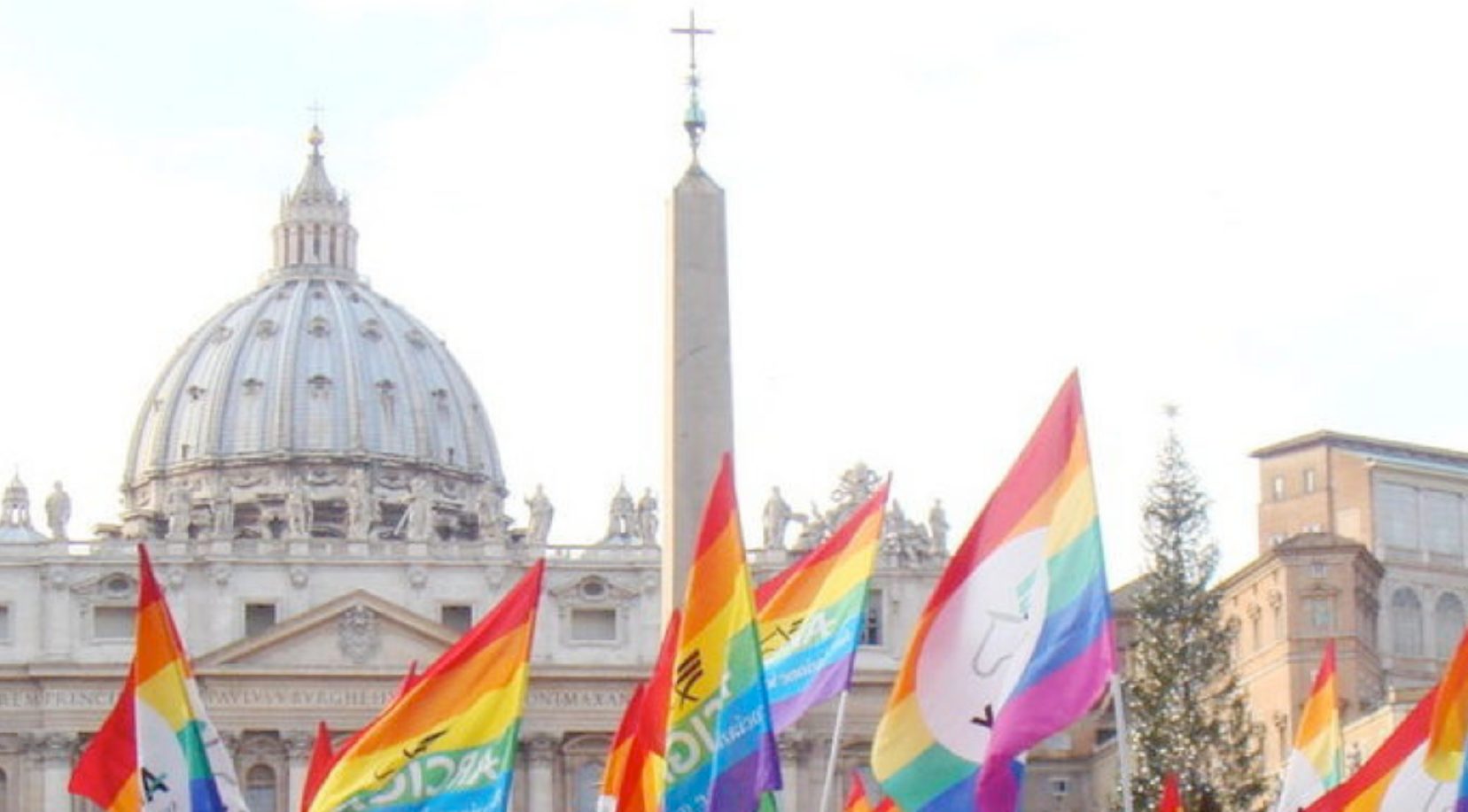
(ZENIT News / Rome, 09.23.2025).- When Pope Leo XIV recently spoke of opening the Church’s doors to everyone—“all, all, all,” as he put it—he was not announcing a doctrinal shift. He was signaling a way of being. His words, captured in a newly published interview book, echoed the approach of his predecessor, Pope Francis: insistence on dignity and welcome, even while holding firm to Catholic teaching on marriage and sexuality.
It may sound like nuance, but for priests, nuance matters. A new study by Jesuit Lucas Sharma suggests that papal tone, more than politics, seminary generation, or personal identity, strongly influences how Catholic clergy approach LGBTQ+ issues. Sharma found that priests who approved of Francis’s papacy were far more likely to adopt what he calls a “pastoral stance” toward LGBTQ+ Catholics—even when those priests described themselves as politically conservative, heterosexual, or recently ordained.
“Approval of Francis predicted flexibility,” Sharma explained in an interview, “not only in questions of sin and sexuality, but also in whether men with same-sex attraction could be considered for the priesthood.” The findings point to what observers have called the “Francis effect,” a subtle but measurable shift in clerical culture that seems to defy the usual liberal-conservative categories.
The timing of the study aligns almost uncannily with Leo XIV’s early remarks. His insistence that pastoral conversion precedes doctrinal debate—“we have to change our attitude before we change doctrine”—has raised the question of whether a similar “Leo effect” might emerge. If priests’ attitudes toward LGBTQ+ Catholics softened under Francis, could Leo’s continuity help make that shift more durable?
The backdrop is complex. American society has moved decisively toward greater acceptance of LGBTQ+ people, yet the Catholic priesthood tells a different story. Surveys suggest only about one in five U.S. Catholics view same-sex relationships as always wrong, but younger clergy, often more traditional than their older counterparts, remain cautious. Sociologist Joseph Roso notes that structural forces—secularization, conservative mentorship in seminaries, and shifting recruitment pools—have made recent cohorts of priests less socially progressive than those ordained in the 1970s.
That tension is part of what makes Sharma’s findings striking. The effect of papal approval cut across the expected divides. Even priests who might otherwise lean toward strict interpretations showed greater pastoral openness when they admired Francis. Whether Leo can sustain or expand that pattern will depend on how his words translate into lived parish practice.
For now, researchers remain cautious. Sharma stresses that it is too soon to say whether Leo’s tone will exert the same influence, though he suspects future surveys will provide clearer answers. Roso warns that generational turnover in the clergy could still tilt the balance toward conservatism, even if papal encouragement points the other way.
Yet for many Catholics who listened closely to Leo’s interview, the symbolism mattered as much as the substance. He was not offering new doctrine but reminding his Church that welcome begins with recognition: every person, regardless of identity, is first a child of God.
That reminder, echoed from Rome, could once again ripple outward—to pulpits, confessionals, and parishes where tone, perhaps more than text, shapes the face of Catholic pastoral life.
Thank you for reading our content. If you would like to receive ZENIT’s daily e-mail news, you can subscribe for free through this link.

Publicaciones relacionadas:
 Pope Francis on Too Many Ecclesiastical Universities in Rome and the Challenge of What to Do About It
 About the Scandal in New York’s Cathedral of Gay Irreverence During a Funeral and What This Has To Do with Fiducia Supplicans
 Pope Confirms Benedict XVI: No Gays in Seminaries
 Pope Francis, Trump’s Migratory Policy and Taylor Swift’s Lessons
