

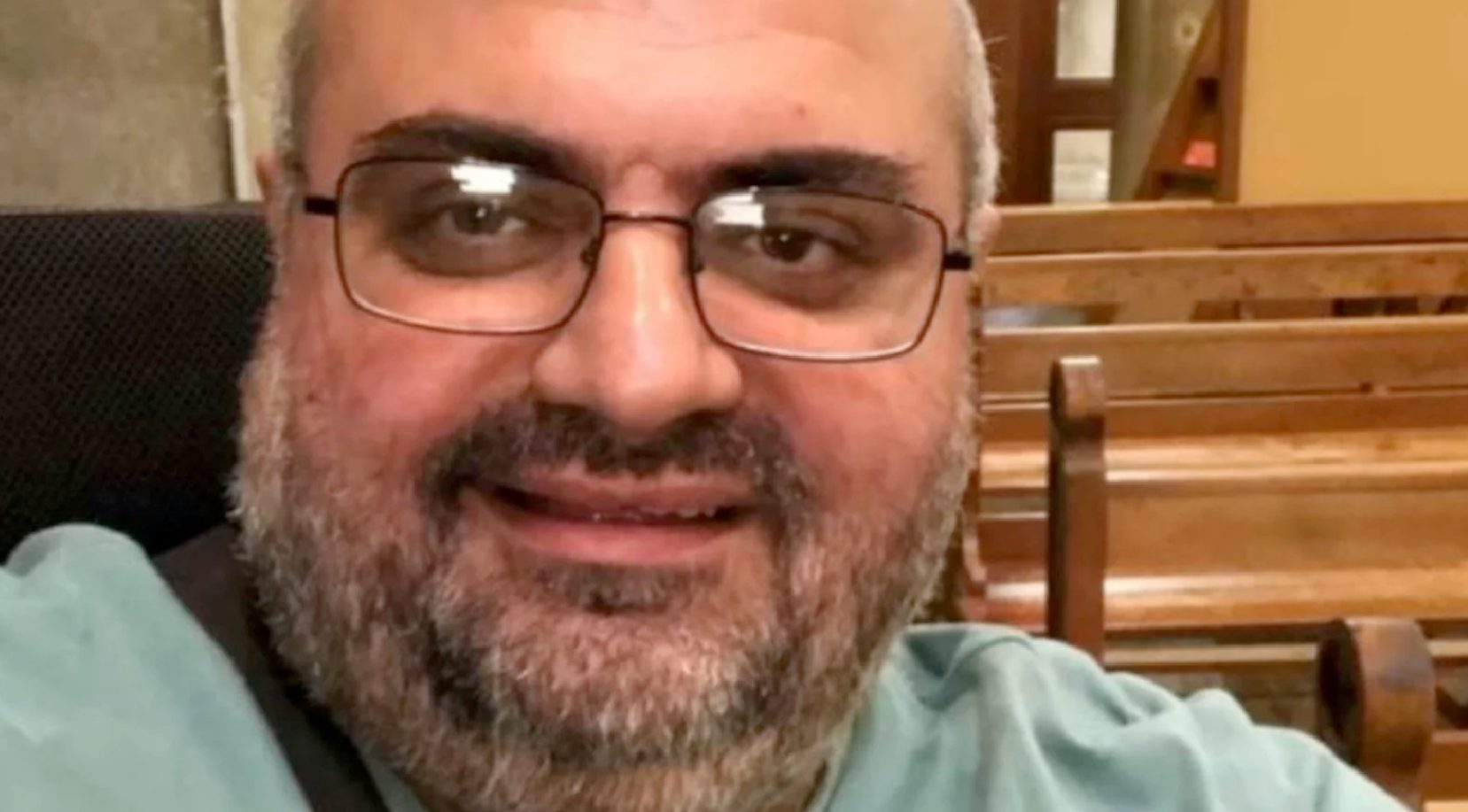
(ZENIT News / Paris, 09.17.2025).- On the evening of September 10, the quiet streets of Lyon were pierced by a brutal act of violence that has shaken France’s Christian community and reignited debate about religious freedom in Europe. Ashur Sarnaya, a 45-year-old Iraqi Christian who had fled persecution at the hands of Islamist militants, was stabbed to death outside his home while livestreaming on TikTok about his faith.
Sarnaya, disabled and confined to a wheelchair, had lived in the city for more than a decade with his sister after escaping Iraq in 2014 during the advance of the so-called Islamic State. Neighbors described him as gentle, discreet, and vulnerable. His nightly broadcasts on social media, often delivered in Arabic, centered on testimony about the Gospel and personal prayer. According to his family, he had no enemies.
The attack unfolded as Sarnaya returned to his residence. A man dressed in black, his face concealed by a hood, reportedly lay in wait before plunging a knife into his victim’s neck. Emergency services arrived within minutes, but the blows had been fatal. A video, now widely circulated online, captures the chilling moments in which viewers of the livestream witnessed the blood streaming from his face before the feed abruptly ended.
The murder is now under investigation by the Lyon prosecutor’s office, with the case handed to the division specializing in organized and serious crime. Authorities have not confirmed a motive, leaving open the possibility of religious hatred, personal vendetta, or criminal networks. Yet the symbolism of the killing—a Christian refugee slain during a public declaration of faith—has fueled speculation that it was more than a random act.
Christian organizations in France responded with grief and outrage. Œuvre d’Orient, a Catholic charity dedicated to Eastern Christians, condemned the murder as an assault on dignity and freedom, stressing that believers who escaped Middle Eastern persecution should be able to live and witness their faith safely in Europe. SOS Chrétiens d’Orient recalled that Sarnaya had already suffered at the hands of ISIS: “It is unthinkable that a man who fled persecution should find death for the same reason on French soil,” the group declared.
For his relatives, the killing carries the mark of martyrdom. “He was proclaiming the word of God when his life was taken,” one cousin wrote on Facebook, urging others to see his death as both tragedy and testimony.
The political response has been muted, though not absent. Marine Le Pen, leader of the Rassemblement National, denounced the act on social media as the work of an “Islamist,” tying it to what she called France’s failed migration policy. Meanwhile, a popular Lyon-based influencer highlighted Sarnaya’s Christian witness on TikTok, suggesting that his outspoken faith had made him a target.
The murder comes amid a broader surge in anti-Christian incidents across France. Official figures released this summer reported 401 acts against Christians between January and June—a 13 percent increase over the previous year. These incidents range from graffiti and vandalism to arson and desecration. In early September, a statue of the Virgin and Child in Brittany was set ablaze during Mass, while in July, a Parisian church suffered a similar attack. Last year, the destruction of a historic church by fire in northern France left an enduring scar.
Despite their frequency, such episodes often receive scant coverage in national media, a silence that Catholic observers warn risks normalizing hostility. For many, the death of Ashur Sarnaya embodies the convergence of two disturbing trends: the precarious future of Middle Eastern Christianity and the erosion of religious safety in secular Europe.
His life, marked by exile, disability, and steadfast faith, ended in a moment meant to share hope with others. In the words of one local community leader, “Ashur was not a man of politics or conflict. He was a man of prayer. And it was prayer that he carried to the very end.”
Thank you for reading our content. If you would like to receive ZENIT’s daily e-mail news, you can subscribe for free through this link.

Publicaciones relacionadas:
 USA: After Supreme Court’s landmark free speech ruling, photographers in KY, NY seek to also create freely
 Archbishops demand West lift sanctions crippling Christian community
 USA: House members condemn prosecution of Finnish politician on trial again for Bible tweet
 Murder of young Suleman Masih shocks Christian community in Pakistan
