


(ZENIT News / Rome 12.05.2025).- A fresh legal decision from Europe’s highest court has placed the continent before one of its most delicate crossroads: the tension between national sovereignty, European integration, and competing visions of family. The Court of Justice of the European Union has ruled that all member states must recognize same-sex marriages lawfully contracted in another EU country, even when their own domestic laws do not provide for such unions.
The judgment, handed down on 25 November, does not oblige any government to redefine its marriage legislation. Yet it carries unmistakable consequences. By requiring states to acknowledge the civil effects of a same-sex marriage concluded abroad, the court insists that core rights linked to private and family life, freedom of movement, and residence must be guaranteed across the Union.
At the center of the case lies a Polish couple who married in Germany in 2018 and later attempted to register their union back home. The Polish civil registry declined, arguing that the country’s constitution restricts marriage to a union between a man and a woman. The refusal triggered a long legal contest that eventually reached Luxembourg, where EU judges concluded that denying recognition violates Union law. Their conclusion sets a binding precedent for all 27 member states.
The ruling exposes a widening gap within Europe. Nearly half of the EU’s countries still do not permit same-sex marriage, including Poland, Hungary, Italy, Bulgaria, Latvia, Lithuania, Slovakia, Cyprus, the Czech Republic, and Romania. For these nations, the court’s interpretation challenges longstanding cultural assumptions and raises fears of judicial pressure toward eventual harmonization.
For others, the decision is a matter of consistency. The EU’s foundational treaties protect the right of citizens and their families to move freely and reside across borders. If a family is considered legally valid in one member state, supporters argue, its basic rights should not vanish the moment it crosses an internal frontier.
Religious communities, meanwhile, continue to engage the issue from a moral and anthropological standpoint. The Catholic Church, influential in several of the countries concerned, has long maintained that marriage is a covenant uniting a man and a woman ordered toward mutual good and the generation and education of children. That understanding, taught in the Catechism and reaffirmed consistently by successive popes, remains unchanged.
Pope Leo XIV, early in his pontificate, reiterated this conviction during an audience at the Vatican, insisting that the family rests upon the stable union of a man and a woman. His remarks, delivered without reference to the EU ruling, reflect a continuity of Catholic teaching rather than an intervention in the legal matter. Still, they add another layer to the intricate conversation unfolding across Europe: one in which civil law, social change, and religious tradition intersect but do not always align.
The court’s judgment does not settle the broader cultural debate. Instead, it heightens the contrast between regions moving rapidly toward expanded recognition of same-sex relationships and those determined to preserve traditional understandings of marriage. For policymakers, the question ahead is whether legal coexistence is sustainable in a union that aspires to both diversity and cohesion.
What remains clear is that the ruling will not be the final word. It inaugurates a period of adjustment for national administrations, invites further legal challenges, and may prompt renewed political deliberation at both the national and European levels.
Thank you for reading our content. If you would like to receive ZENIT’s daily e-mail news, you can subscribe for free through this link.

Publicaciones relacionadas:
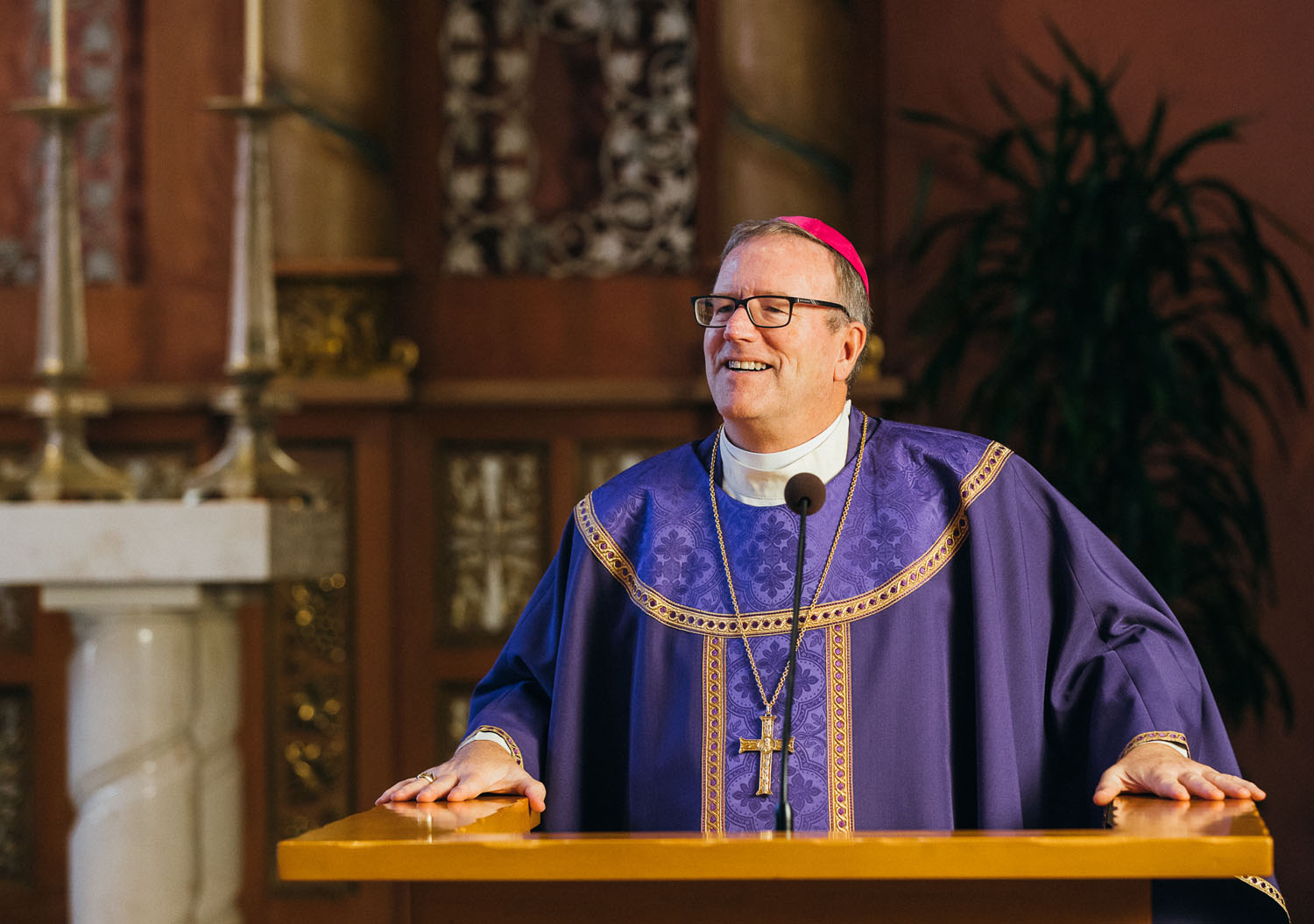 Bishop Barron responds to Trump’s executive order on protecting children from genital mutilation in LGBT+ context
 Bishops Barron and O’Connell Respond to Failure of U.S. Senate to Advance Protections for Female Athletes
 U.S. Takes Strong Stand on Gender Ideology at UN Panel
 German Episcopate issues guidelines for blessing same-sex couples (among others)
