

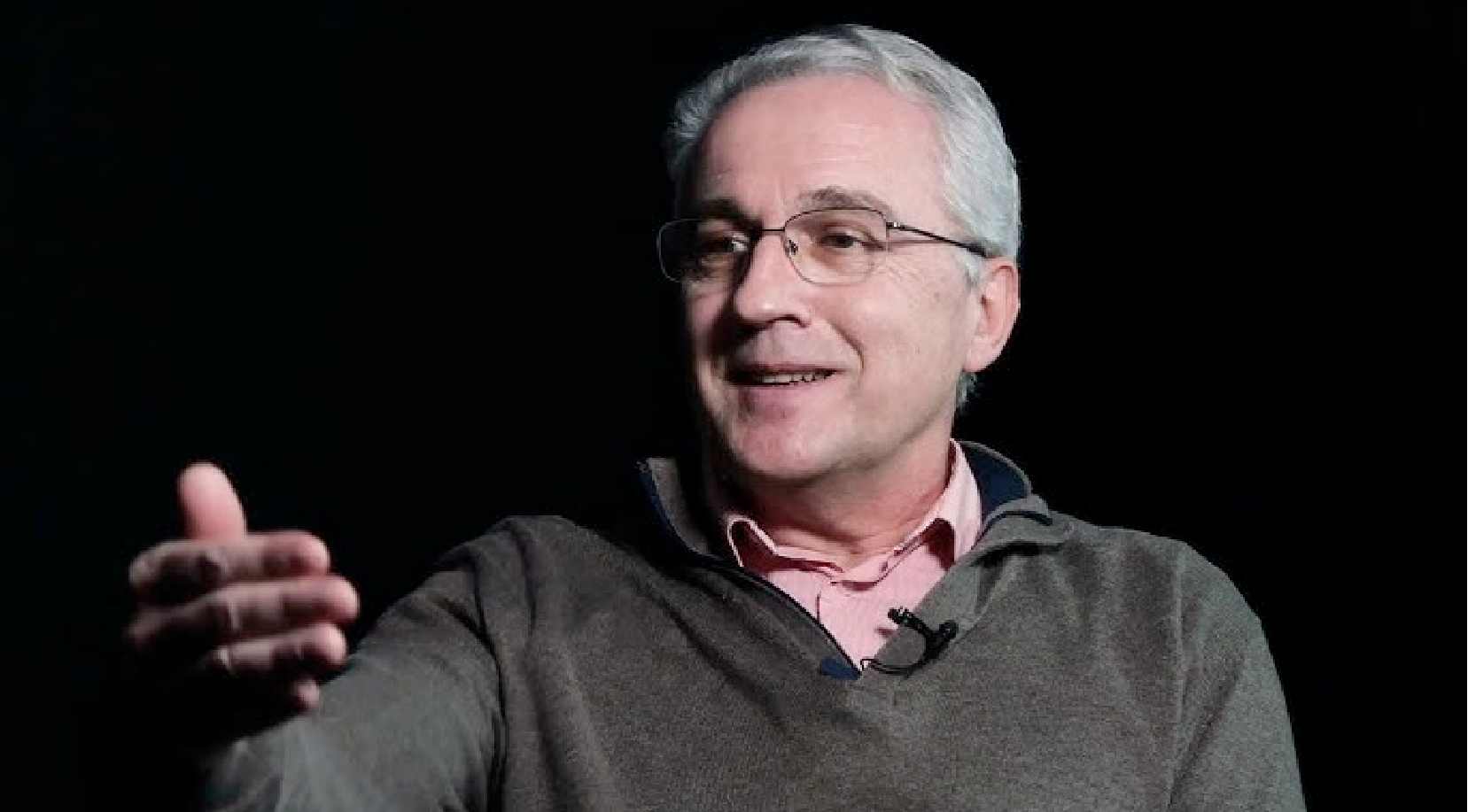
(ZENIT News / Paris, 08.11.2025).- The Emmanuel Community, one of the Catholic Church’s most prominent new ecclesial movements, has entered a delicate leadership transition following the sudden resignation of its General Moderator, Michel-Bernard de Vregille, after seven years at the helm. The Vatican accepted his departure on July 31, capping months of mounting tensions, unresolved abuse cases, and internal governance disputes.
De Vregille, 64, had been re-elected for a second five-year term in 2023, but described the past two years as “particularly challenging,” citing both deep divisions within the community’s governing bodies and the “profound sadness” caused by abuse committed by members. His resignation came only months after the announcement of a Vatican-ordered apostolic visitation—a process the community itself had requested to review its leadership structures and conflict resolution mechanisms.
The Emmanuel Community, founded in Paris in 1972 and recognized by the Holy See in 1992, now spans 60 countries with some 12,000 members, including priests, seminarians, and consecrated laypeople. Known for its blend of charismatic spirituality, parish revitalization work, and large-scale evangelization events—especially in the French pilgrimage site of Paray-le-Monial—it has also been a significant source of priestly vocations in France.
Yet recent years have brought turbulence. In 2024, former Emmanuel priest Benoît Moulay was expelled from the clerical state after being found guilty of sexual violence against two women. The same year, prominent member Fr. Bernard Peyrous faced rape and sexual assault charges, which he denied. Internal critics, citing failures in safeguarding procedures and a lack of independent oversight, wrote to senior Vatican officials calling for intervention.
The strain has been compounded by what insiders describe as fatigue at the top. According to the French Catholic daily La Croix, De Vregille’s decision was not triggered by a single event, but by the cumulative pressure of navigating simultaneous crises while maintaining the community’s missionary momentum.
In his farewell letter, De Vregille acknowledged “blind spots” that had hindered attentiveness to victims and admitted that “ecclesial differences” had sharpened existing tensions between the International Council—which includes members from four continents—and other leadership organs.
An interim leader will be chosen in Paris by mid-August through a multi-round, secret ballot involving representatives from both the International Council and the clerical branch known as the Fraternity of Jesus. The Vatican’s Dicastery for Laity, Family, and Life must ratify the choice before it becomes public.
Despite the upheaval, community leaders insist the mission continues. Communication director Flore Barbet-Massin stressed that governing structures remain intact and that the transition process is clearly defined in the statutes, ensuring continuity in evangelization and pastoral work.
For many Emmanuel members, the resignation marks both an ending and a reckoning—a moment to confront past failures while discerning the community’s next chapter in a rapidly changing Catholic landscape. Whether the apostolic visitation will prompt deep reform or confirm the current trajectory remains to be seen. What is certain is that the Emmanuel Community now stands at one of the most critical crossroads in its half-century history.
Thank you for reading our content. If you would like to receive ZENIT’s daily e-mail news, you can subscribe for free through this link.

Publicaciones relacionadas:
 Rupnik Case: Jesuits Invite to Denounce and Make Known Their Structure to Handle Complaints
 France: Lourdes Shrine Announces a Period of Reflection to Decide Whether To Keep or Remove Jesuit Marko Rupnik’s Works
 Knights of Columbus decide to cover Rupnik mosaics at John Paul II National Shrine
 Archdiocese of Chicago brings alleged fraudsters who allegedly posed as abuse victims to trial
