

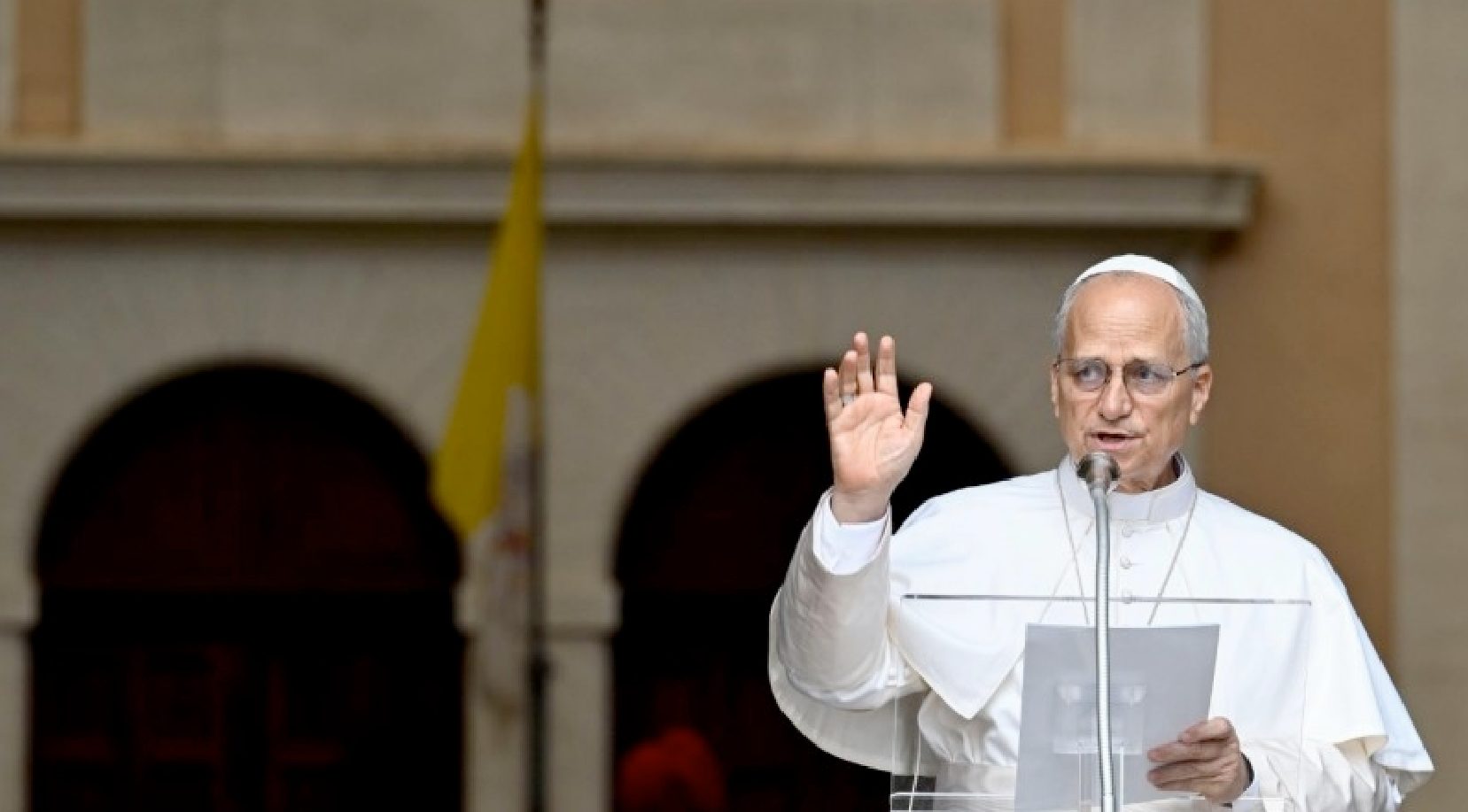
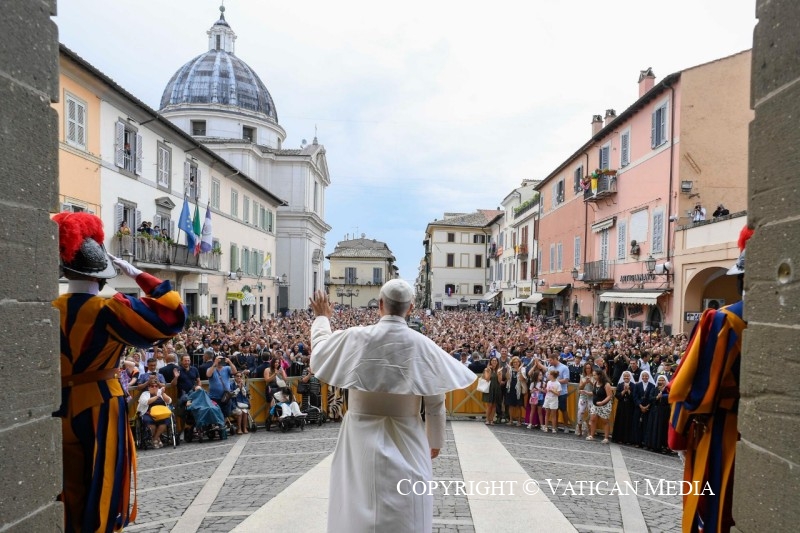
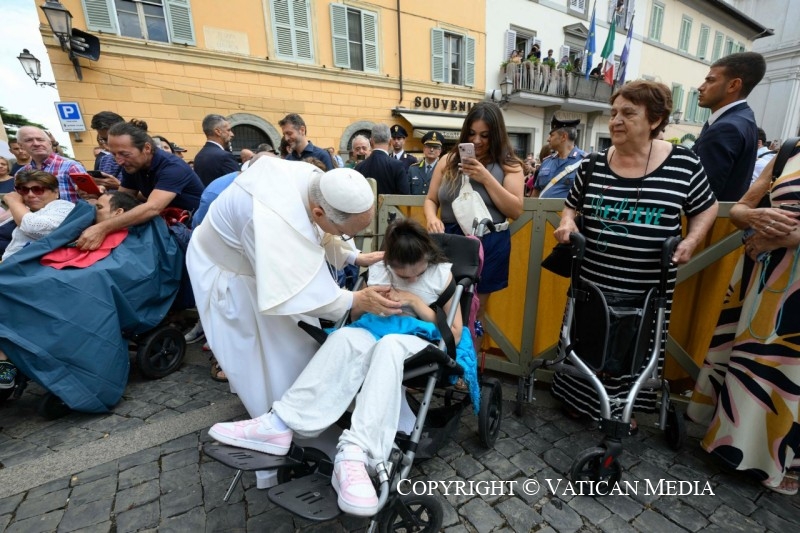
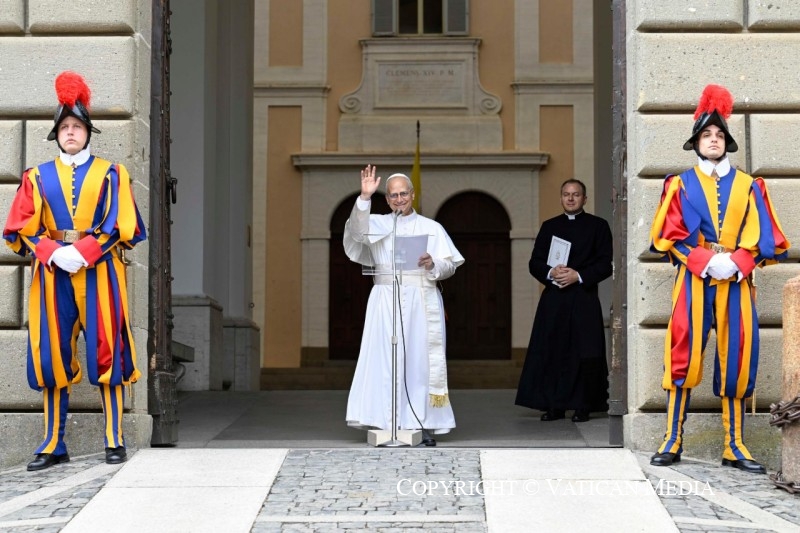
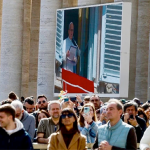
(ZENIT News / Vatican City, 08.17.2025).- At noon on Sunday, August 17, Pope Leo XIV prayed the Marian Angelus from the Apostolic Palace of Castel Gandolfo with hundreds of pilgrims who had come to the Pontifical Villa to listen to the Holy Father and join him in the Angelus. Shortly beforehand, the Pope had celebrated Mass in Albano and later shared a meal with people in need. Pope Leo returned to Castel Gandolfo on the afternoon of Wednesday, August 13, where he will remain until Tuesday, August 19. We now offer the English translation of the Pope’s address:
***
Dear brothers and sisters, happy Sunday!
Today’s Gospel presents us with a demanding text (cf. Lk 12:49-53), in which Jesus uses strong images and great frankness to teach his disciples that his mission, and even that of his followers, is not a “bed of roses”, but a “sign of contradiction” (cf. Lk 2:34).
In this way, the Lord anticipates what he will have to face in Jerusalem when he will be opposed, arrested, insulted, beaten, crucified; when his message of love and justice will be rejected; when the leaders of the people will react with viciousness at his preaching. Moreover, many of the communities to which the evangelist Luke was writing were also experiencing the same thing. As the Acts of the Apostles tells us, they were peaceful communities that, despite their own limitations, sought to live the best they could the Master’s message of love (cf. Acts 4:32-33). Yet they were suffering persecutions.
All of this reminds us that being or doing good does not always receive a positive response. On the contrary, because its beauty at times annoys those who do not welcome it, one can end up encountering harsh opposition, even insolence and oppression. Acting in truth has its cost, because there are those in the world who choose lies, and the devil, who takes advantage of the situation, often seeks to block the actions of good people.
Jesus, however, invites us with his help not to give in and conform ourselves to this mentality, but to continue to act for our good and the good of all, even those who make us suffer. He invites us not to respond to insolence with vengeance, but to remain faithful to the truth in love. The martyrs witnessed to this by shedding their blood for their faith. We, too, can imitate their example even in different circumstances and ways.
Let us think, for example, of the price that good parents must pay if they want to educate their children according to sound principles. Eventually they will have to say “no” and correct their children; this will cause them pain. The same is true for a teacher who desires to form students properly, or for a professional, religious, or politician, who desires to carry out their mission honestly. It is true for anyone who strives to exercise his or her responsibilities consistently according to the teachings of the Gospel.
In this regard, Saint Ignatius of Antioch, while travelling toward Rome to undergo martyrdom, wrote to the Christians of that city: “I do not want you to please men, but to please God” (Letter to the Romans 2:1). He added, “It is better for me to die in Jesus Christ than reign over the ends of the earth” (ibid., 6:1).
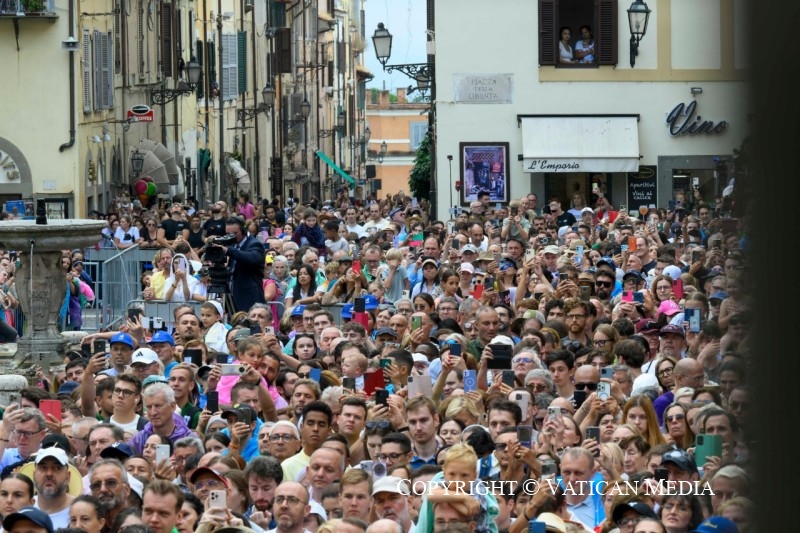
Brothers and sisters, let us together ask Mary, Queen of Martyrs, to help us be faithful and courageous witnesses of her Son in every circumstance, and to sustain our brothers and sisters who suffer for the faith today.
Thank you for reading our content. If you would like to receive ZENIT’s daily e-mail news, you can subscribe for free through this link.

Publicaciones relacionadas:
 Corpus Christi explained by Leo XIV with the miracle of the multiplication of loaves
 How we will invest the treasure that is our life? Pope Leo XIV responds with a brief reflection
 What does the Feast of the Exaltation of the Holy Cross mean for Catholics today? Pope Leo XIV’s concise and concrete answer
 The Transfiguration of Jesus explained by Pope Leo XIV
