

(ZENIT News / Rome, 09.16.2025).- In a small parish in Gaza, a wounded priest celebrates Mass amid rubble and displacement. In Rome, hundreds of priests prepare to march under the banner “Christ Died in Gaza.” Separated by geography but united in faith, these two stories reveal how the Catholic Church, in its local witness and its global conscience, is grappling with one of the most painful conflicts of our time.
On September 9, Father Gabriel Romanelli of the Holy Family parish in Gaza received an unexpected call: Pope Leo XIV reached out directly to his besieged community. It was the first time the American-born pontiff had phoned the parish, a gesture that echoed the personal outreach once associated with his predecessor, Francis. Romanelli told Vatican News that the Pope prayed with them, offered his blessing, and assured them of his constant concern for peace.
That same parish now shelters some 450 displaced people — the elderly, the sick, and children — who refuse to leave their homes despite military orders to evacuate. “There is danger everywhere, but many want to remain,” Romanelli said, even after an Israeli tank strike in July left him injured and killed three parishioners. In the midst of suffering, the parish has witnessed a wedding and a birth, signs of life that Romanelli calls “blessings from God in the heart of pain.”
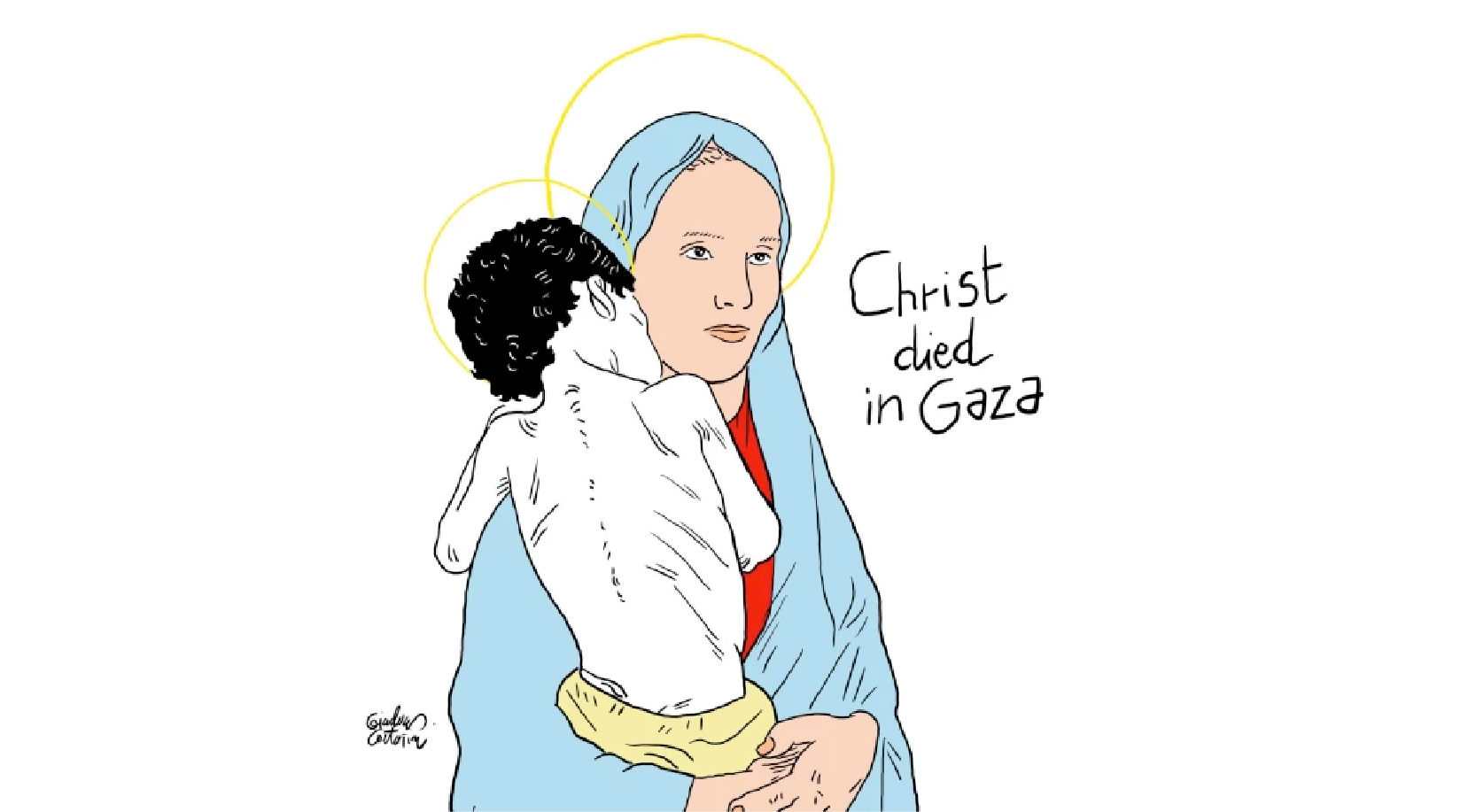
Thousands of kilometers away, a new Catholic network is amplifying the cries of Gaza on the global stage. Under the stark motto “Christ Died in Gaza,” more than 550 priests from 21 countries — most of them Italian — have pledged to pray, denounce war crimes, and support communities in the Holy Land. Their movement, “Priests Against Genocide,” insists that the suffering of Palestinians cannot be met with silence.
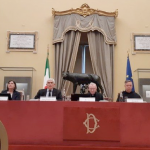
At a press conference on September 15, Father Pietro Rossini, a Xaverian missionary, explained their stance: “We do not speak as politicians, but as pastors, as men entrusted with communities that believe in the dignity of every human life. Our message is not against anyone, but in favor of life and peace.” Yet their words are sharp. Alongside condemnation of Hamas’s October 7 attacks, they denounce what they describe as Israel’s disproportionate response: indiscriminate bombings, starvation tactics, and violations of international law.
The movement’s imagery — a mother weeping over her dead child, captioned with the words “Christ Died in Gaza” — leaves little doubt about its moral urgency. Its first public action will be a prayer vigil and march through Rome on September 22, coinciding with the close of the UN General Assembly. Priests will pray the Lord’s Prayer in Arabic as they walk, stopping to hear testimonies of Palestinian lives lost before arriving at Italy’s Parliament.
Together, these two realities — the steadfast witness of a Gaza parish under siege and the prophetic protest of clergy in Europe — show a Church trying to embody both compassion on the ground and advocacy at the global level. For some, the presence of Christ is made visible in the Eucharist celebrated by Romanelli in the ruins of Gaza; for others, in the public denunciation of violence carried out in the streets of Rome.
The link between them is unmistakable. From the Pope’s phone call to the voices of priests refusing to be silent, the Catholic Church is navigating the tension between pastoral care and political outcry, between fragile hope and prophetic anger. In both cases, the message is the same: the Gospel cannot stand aside while human dignity is trampled.
Thank you for reading our content. If you would like to receive ZENIT’s daily e-mail news, you can subscribe for free through this link.

Publicaciones relacionadas:
 Pope Leo XIV Calls Latin Patriarch of Jerusalem After Invasion of Catholic Parish in Gaza
 From Castel Gandolfo, Pope Leo XIV Calls for Peace Amid Gaza’s Agony and UN Genocide Allegations
 Pope Leo XIV comments on Trump’s peace plan for Gaza (and other current topics of general interest)
 A Church Against the Logic of War: Vatican Voices, Middle East Realities, and the Risk of a Vanishing Christianity
