

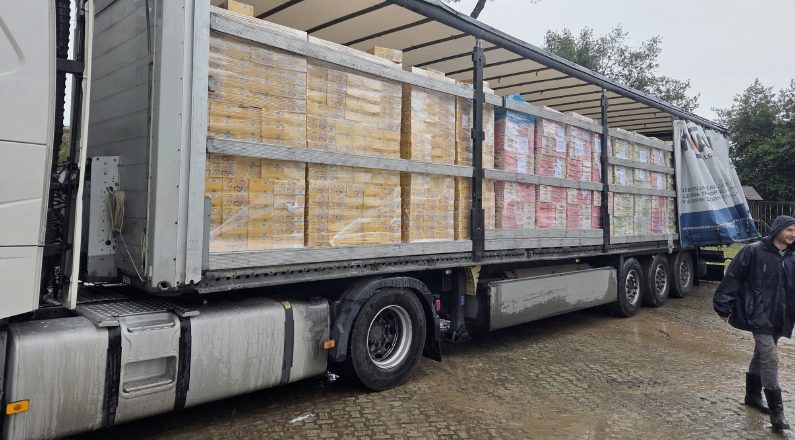
(ZENIT News / Vatican City, 12.29.2025).- Winter has a way of stripping gestures down to their essentials. In Ukraine, where entire neighborhoods have been left without power, water, or heating after renewed bombardments, survival depends on small, practical things: warmth, calories, something hot to eat. It is precisely into this fragile landscape that Pope Leo XIV has chosen to intervene, but with trucks.
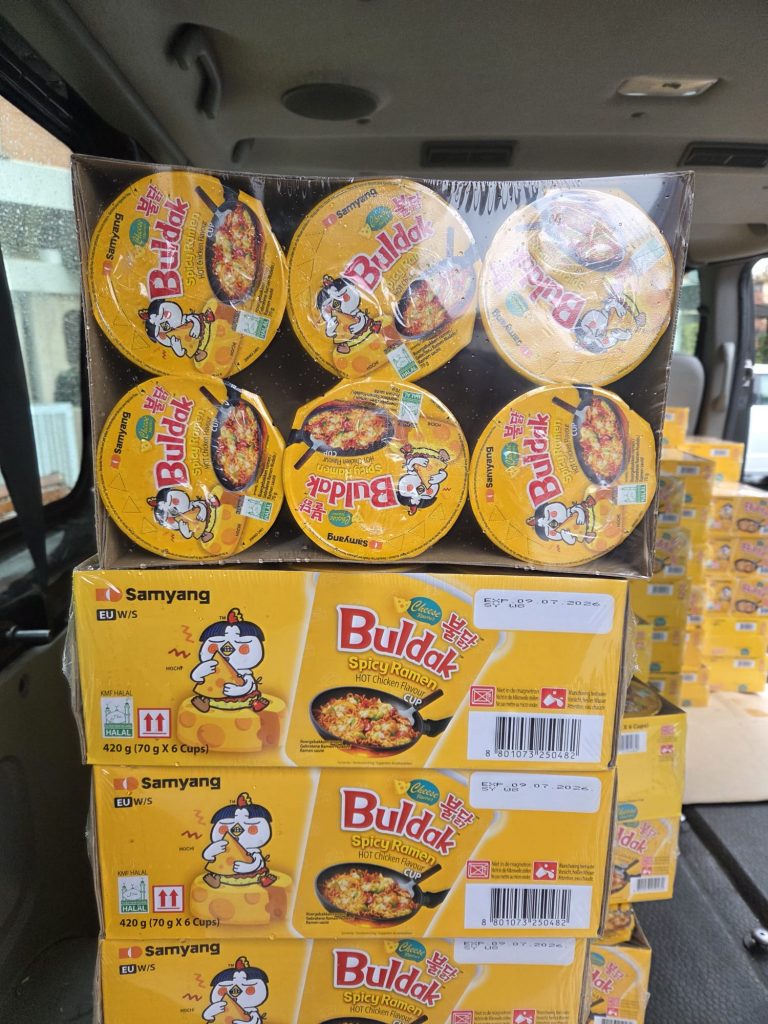
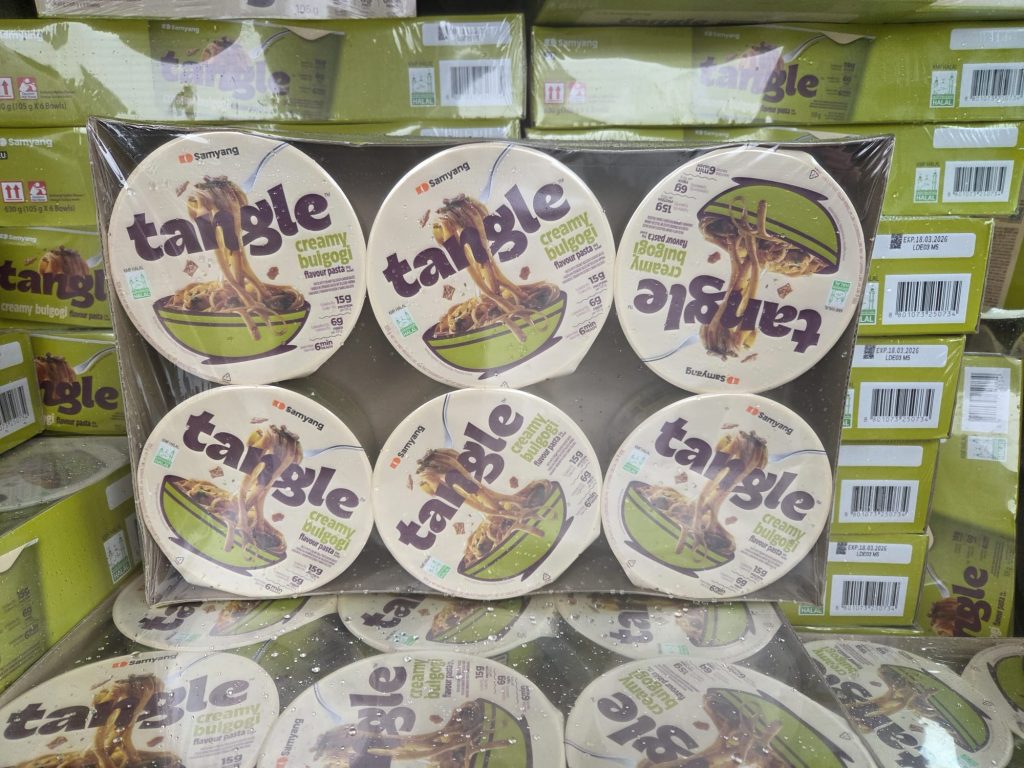
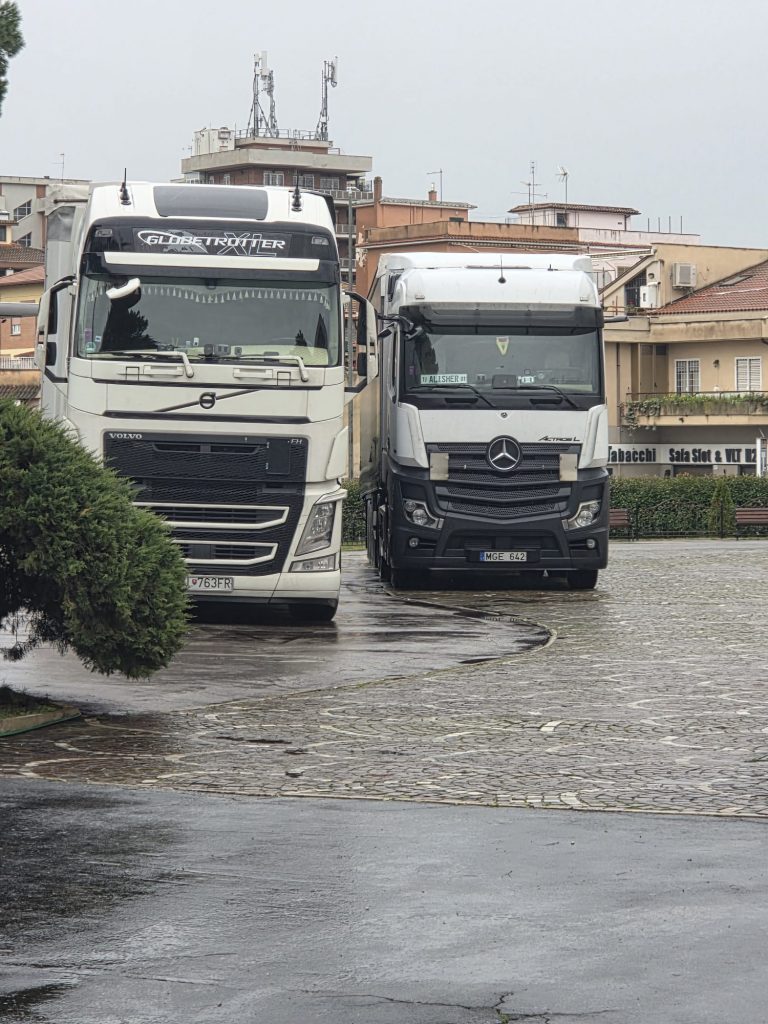
Three lorries loaded with food supplies have reached some of the Ukrainian areas most affected by the fighting, carrying what may sound modest but proves decisive in emergencies: dehydrated meals that become high-energy chicken and vegetable soup once mixed with water. The initiative, confirmed on 27 December by Cardinal Konrad Krajewski, the papal almoner and prefect of the Dicastery for the Service of Charity, was deliberately timed to coincide with the Sunday of the Holy Family, celebrated this year on 28 December.
The symbolism was not incidental. For Krajewski, the convoy represents what he described as a “small caress” from the Pope—an expression that, in Vatican language, often signals a concrete act rather than a rhetorical flourish. Families uprooted by war, forced to flee or to endure winter without basic services, mirror the vulnerability of the family of Nazareth itself: exposed, displaced, and dependent on the solidarity of others.
The food aid originated with a donation from the South Korean company Samyang Foods, whose trucks arrived at the Vatican shortly before Christmas. As has happened repeatedly in recent years, the Apostolic Almonry redirected the supplies beyond Rome, toward zones where humanitarian access is difficult and immediate needs are stark. The destination this time was clear: regions where infrastructure has been shattered and where even boiling water can be a challenge.
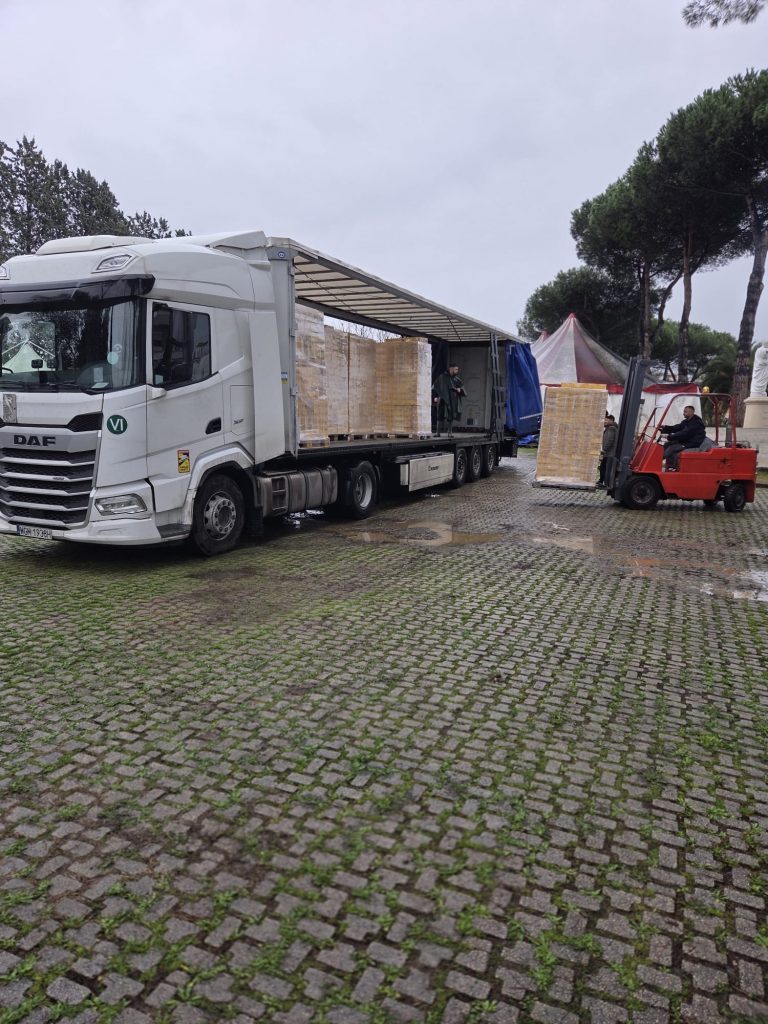
What distinguishes this operation is not its scale—three trucks cannot alter the course of a war—but its intent. In Krajewski’s words, the Pope does not wish merely to invoke peace from afar. The decision to send aid during the Christmas season, and specifically around the feast centered on family life, underscores a theological intuition deeply rooted in Catholic social teaching: the Incarnation is not an abstract doctrine but a choice of proximity. God, born into a vulnerable household, is understood to be closest where human life is most exposed to danger, rejection, and abandonment.
Behind the scenes, this convoy is part of a broader pattern. Even before Christmas Eve, Pope Leo XIV had authorized financial assistance to several countries through the Apostolic Almonry and the Vatican’s diplomatic network, the nunciatures. Ukraine, however, remains emblematic of the Holy See’s approach to the conflict: a combination of constant appeals for peace and a steady flow of discreet, material support.
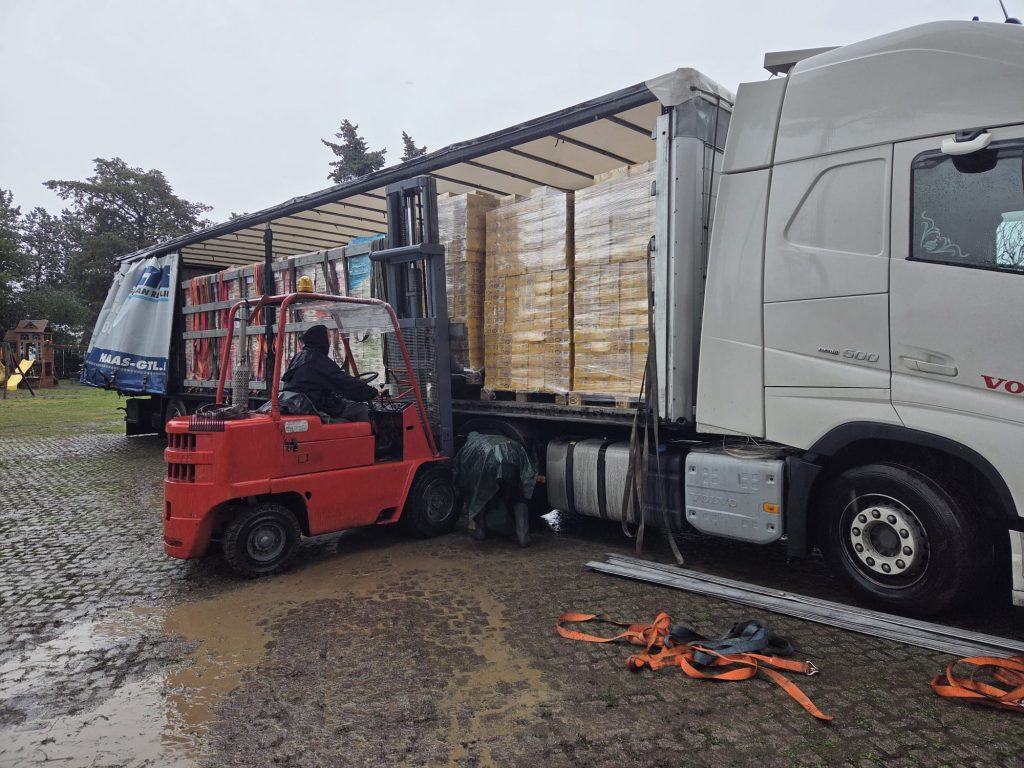
In Vatican corridors, such actions are often described as the “grammar” of papal charity—simple, repetitive, and intentionally unspectacular. Trucks arrive, supplies are unloaded, and little is said. Yet in places where electricity grids are down and heating systems silent, these gestures speak with unusual clarity.
As another winter of war sets in, the Pope’s decision to mark a liturgical feast not with a statement but with logistics sends a clear message. Prayer, in this vision, is inseparable from presence. And presence, sometimes, looks like three trucks navigating damaged roads to bring something warm to families who have little else left.
Thank you for reading our content. If you would like to receive ZENIT’s daily e-mail news, you can subscribe for free through this link.

Publicaciones relacionadas:
 Pope Leo XIV Calls for Reconciliation and Hope in Global Response to Migrants and Refugees
 Some reflections with you on the relationship between the administration of justice and the value of unity, according to Pope Leo XIV
 A Church Against the Logic of War: Vatican Voices, Middle East Realities, and the Risk of a Vanishing Christianity
 Trump responds to Pope Leo XIV: I don’t want a ceasefire
