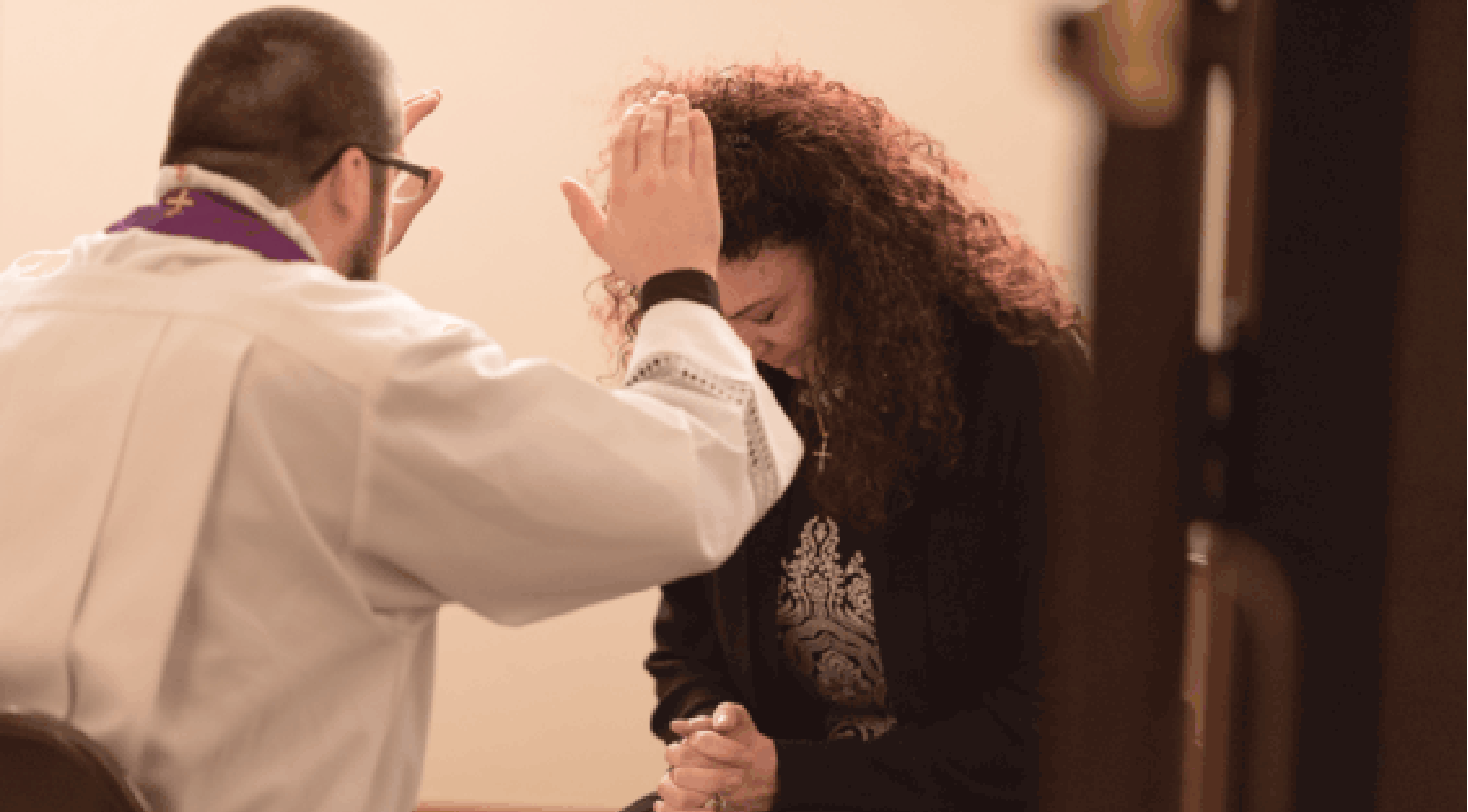
(ZENIT News / Rome, 02.01.2026).- What actually happens in a confessional is far more complex than a brief exchange of sins and absolution. According to a new international research project supported by the John Templeton Foundation, the sacrament of Reconciliation also engages deep psychological processes that can either unlock—or block—the believer’s experience of divine mercy.
That insight lies at the heart of a newly published, free 36-page handbook, A Practical Guide for Confessors: Psychological and Pastoral Keys for the Sacrament of Reconciliation. Released in late 2025 and now circulating widely online, the guide brings together theology, pastoral experience, and clinical psychology to help priests become more effective ministers of mercy.
The initiative is part of a large Templeton-funded project examining the “psychological dimension of experiencing God’s forgiveness.” Ten independent research teams across several continents are involved, drawing on scholars from institutions such as Harvard, Baylor University, Florida State University, and the University of Navarra.
One of these teams focused specifically on Catholic sacramental confession. Led by researchers at the University of Navarra—among them Martiño Rodríguez-González and María Calatrava—and joined by specialists from Comillas Pontifical University, San Dámaso Ecclesiastical University, and CEU Abat Oliba, the group conducted in-depth interviews with 25 priests from different countries, pastoral contexts, and ecclesial movements.
Their central conclusion is strikingly simple: while the sacrament works objectively through Christ himself (the classic theological principle of ex opere operato), the human mediation of the priest profoundly shapes how that grace is received.
“The way a confessor welcomes, listens, and accompanies can open—or close—the heart of the faithful to God’s forgiveness,” the researchers observe.
From that premise flows a set of concrete recommendations, rooted equally in pastoral wisdom and psychological evidence.
Confession begins with the priest’s own vulnerability
Many of the interviewed priests insist that their effectiveness as confessors starts with their own regular confession. Experiencing mercy firsthand teaches them what truly helps penitents: unconditional welcome, encouragement, and a tone that allows people to stand before God without disguising their failures.
Several said that frequent confession and spiritual direction not only sharpen their pastoral sensitivity but also strengthen their priestly vocation. Entering the confessional, they noted, is not merely a professional act—it is stepping onto sacred ground.
Sacred space, privacy, and absolute confidentiality
The guide stresses the importance of treating confession as holy territory, echoing the biblical command: “Remove your sandals, for the place where you stand is holy.”
Practically, this means safeguarding anonymity when the penitent chooses the grille, avoiding any hint of recognition, even by voice. For many, that anonymity is what makes honesty possible.
Closely linked is the sacramental seal. Absolute confidentiality, the guide notes, is not optional but essential. Trust in this silence enables people to disclose their deepest wounds. The Vatican’s Apostolic Penitentiary has repeatedly reaffirmed that this secrecy flows directly from divine law and admits no exceptions, even under civil pressure.
Availability matters more than eloquence
One of the strongest predictors of meaningful confession, according to the study, is simple accessibility. Priests who reliably keep confession hours and visibly make themselves available—sometimes symbolized by the green light outside a confessional—create a sense of safety that draws people back.
Equally important is unhurried presence. Penitents quickly perceive whether they are being listened to or processed. As one priest put it: even when pressed for time, the confessor must communicate, without checking the clock, “I am here for you.”
Warmth begins before the confessional
Hospitality does not start with the sign of the cross. A smile, a greeting, or a familiar kindness outside the confessional can already lower defenses and prepare the heart.
Many priests open the sacrament with a brief prayer or a Gospel phrase—“Come to me, all who are weary”—to remind both parties that it is Christ who receives and forgives.
Listening as a spiritual and psychological act
The guide emphasizes active, empathetic listening: speaking less, avoiding unnecessary questions, and staying fully present. Psychologists involved in the project highlight four practical tools: listen without interrupting, validate the person’s experience, paraphrase to show understanding, and avoid labeling or blaming.
Harshness, rigidity, or a cold tone can transform confession into an interrogation. By contrast, gentle humor, references to God’s joy in forgiving, and calm eye contact (when appropriate) can help restore trust.
Serenity is contagious
Penitents often arrive anxious or emotionally overwhelmed. The confessor’s inner peace—expressed through voice, posture, and pace—can steady them.
Many priests report quietly invoking the Holy Spirit during confession, asking for light and wisdom. Remembering that Christ is the true agent of the sacrament allows them to remain calm even when hearing painful stories. A simple reassurance—“There is nothing you can bring to God that He cannot forgive”—can dramatically ease fear.
Shift the focus from sin to mercy
While sins must be named, the guide urges confessors to center the encounter on God’s mercy rather than the wrongdoing itself. Gospel scenes of Jesus meeting sinners provide powerful reference points.
Small, realistic penances help reinforce this message, preventing penitents from feeling crushed. Mercy, the authors stress, does not trivialize sin; it empowers conversion by restoring friendship with God.
Advice without judgment
Brief explanations or practical suggestions can be helpful, especially for those with limited religious formation. But psychology warns against moralizing or scolding, particularly when people are vulnerable. Severe criticism tends to provoke withdrawal or defensiveness, not growth.
Instead, reflective questions—“What do you think might help you face this differently?”—invite responsibility without humiliation.
Understanding inner obstacles to forgiveness
The guide devotes considerable attention to psychological barriers that prevent people from feeling forgiven:
- Poor self-image, often rooted in childhood wounds, can make mercy hard to accept. Confessors are encouraged to separate identity from actions: the penitent is not reducible to sin.
- A punitive image of God—common among those raised in harsh environments—feeds fear and self-accusation. Priests are urged to repeat a core truth: God does not love you because of what you do; He loves you because you are His child.
- Perfectionists magnify every failure. Here, confessors can promote realistic expectations and small, concrete steps.
- Frivolous penitents may need gentle questioning to grasp the consequences of their actions.
Special sections address scrupulosity, distinguishing healthy guilt from chronic guilt, and explaining how shame can both aid and obstruct repentance. For excessively scrupulous penitents, the guide recommends fixed confession intervals, emphasis on Communion when there is no certainty of grave sin, and spiritual practices that move attention away from obsessive self-analysis. In some cases, psychological support may be necessary.
Why a regular confessor can help
While any priest can validly absolve, the study notes a therapeutic benefit in confessing regularly to the same confessor. Trust-based accompaniment fosters self-knowledge, emotional healing, and deeper reconciliation—not only with God, but with oneself and others. The authors caution, however, against unhealthy dependency or excessive paternalism.
Confession as an integrated human experience
Ultimately, the research reframes Reconciliation as both a spiritual and emotional encounter. Experiencing forgiveness helps believers forgive themselves and others, while continuity and trust strengthen inner healing.
Thank you for reading our content. If you would like to receive ZENIT’s daily e-mail news, you can subscribe for free through this link.