

(ZENIT News / Washington, 03.24.2026).- The Jehovah’s Witnesses has introduced a nuanced modification to one of its most distinctive and controversial teachings: the refusal of blood transfusions.
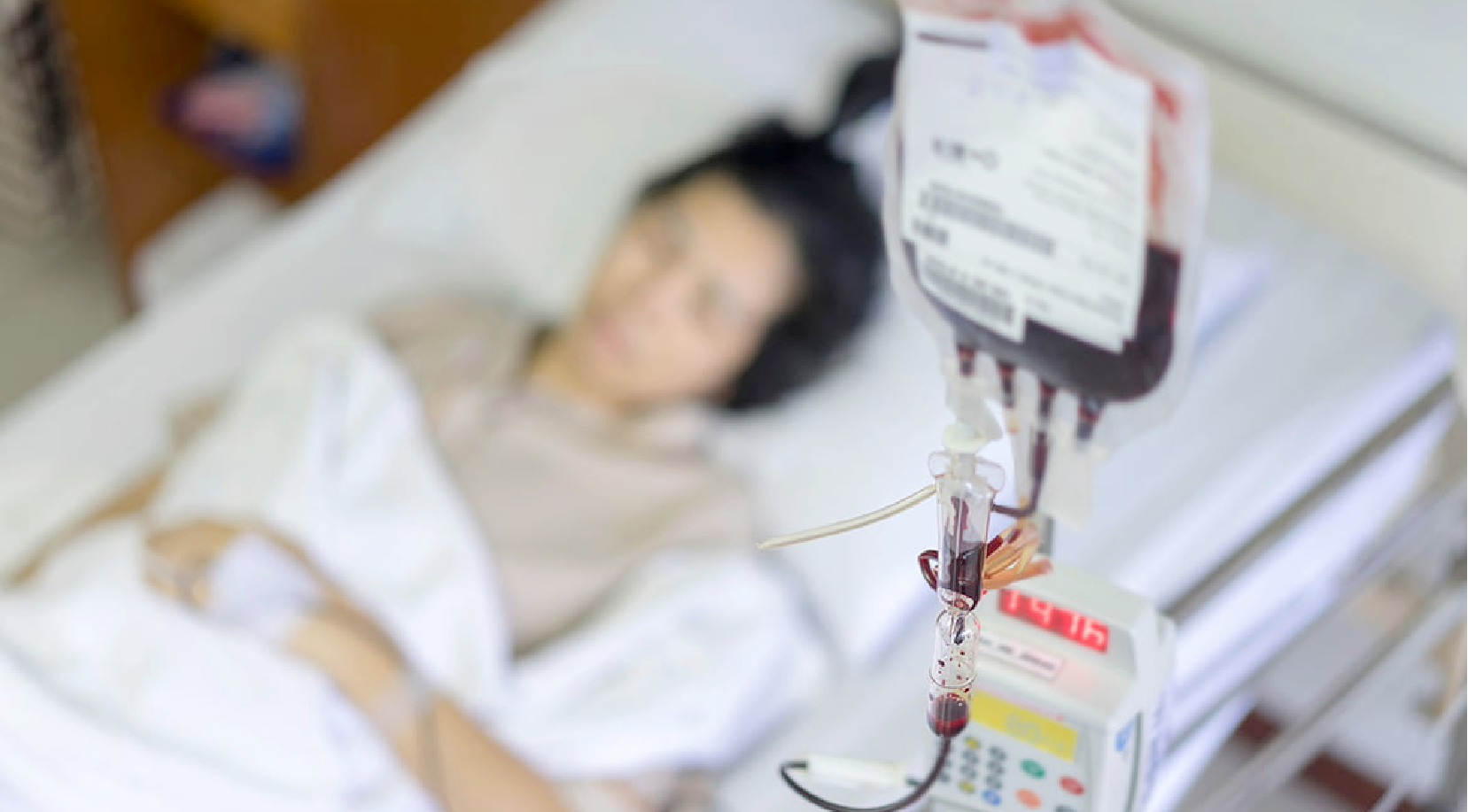
Announced on March 20 by the group’s Governing Body, the change does not overturn the long-standing prohibition on receiving blood from others. Instead, it reframes a specific medical practice—autologous blood transfusion, in which a patient’s own blood is drawn, stored, and later reinfused—as a matter of individual conscience.
The clarification was delivered by Gerrit Lösch, who emphasized that “each Christian must decide for himself” how his own blood may be used in medical treatment. This includes the possibility of preoperative blood collection in cases such as scheduled surgeries where significant blood loss is anticipated. Some believers, he noted, may accept the procedure; others may still refuse it.
The adjustment marks a subtle but meaningful shift. For decades, the movement’s official teaching—grounded in biblical passages interpreted as a command to “abstain from blood”—had extended not only to transfusions from donors but also to the storage of one’s own blood for later use. As recently as 2000, an official publication explicitly rejected such practices as incompatible with divine law.
Now, the leadership appears to be drawing a finer distinction. While the intake of external blood remains categorically forbidden, the use of one’s own blood, even after storage, is no longer treated as intrinsically impermissible. The organization insists, however, that its “core belief in the sanctity of blood” remains unchanged.
The practical implications are complex. Autologous transfusion is a recognized medical technique: blood can typically be collected between six weeks and five days before surgery and stored for potential reinfusion. If unused, it is discarded. Clinically, the method reduces the risk of immune reactions and eliminates the possibility of transmitting infectious diseases from a donor, though it carries its own drawbacks, including the potential for anemia due to preoperative blood loss.
Yet the revised policy does little to address the most contentious scenarios. In emergencies—traffic accidents, violent injuries, or aggressive illnesses such as certain cancers—patients often depend on immediate transfusions from donors. In such cases, the prohibition remains absolute.
This limitation has not gone unnoticed, particularly among former members and critics. Online forums, including Reddit communities of ex-adherents, had already begun circulating reports of an impending change days before the official announcement. For some, the development represents a partial acknowledgment of longstanding concerns; for others, it falls short of what they consider a necessary ethical shift.
Among those voices is Mitch Melin, a former member based in Washington state, who argues that the revision does not go far enough to prevent avoidable deaths. He points out that in many parts of the world—Jehovah’s Witnesses number approximately 1.3 million in the United States and 9.2 million globally, across more than 200 countries—access to facilities capable of storing autologous blood is limited or nonexistent. In such contexts, the theoretical expansion of personal choice may have little real-world impact.
The internal dynamics of conformity also remain a factor. While the new guidance frames the issue as a matter of conscience, former members warn that deviation from established norms can still carry social consequences within the community, including forms of marginalization.
The shift reflects an ongoing effort by the movement to navigate the interface between scriptural interpretation and modern medicine. Jehovah’s Witnesses have previously shown a capacity for such recalibration. Certain procedures involving the temporary circulation and return of blood—such as dialysis—have been deemed acceptable, on the grounds that the blood is not “stored” in a way that violates biblical principles. The latest clarification extends that logic, albeit cautiously, into previously prohibited territory.
Notably, Lösch suggested that the Bible does not explicitly address the use of one’s own blood in medical contexts, a statement that opens interpretive space without dismantling the broader doctrinal framework.
The reaction from the wider Christian world is likely to remain limited, not least because most churches do not recognize Jehovah’s Witnesses as part of mainstream Christianity, due to fundamental theological differences—particularly regarding the nature of Christ. Nonetheless, the development will be closely watched in medical and ethical circles, where the group’s stance on blood has long posed challenges for healthcare providers.
Thank you for reading our content. If you would like to receive ZENIT’s daily e-mail news, you can subscribe for free through this link.

