

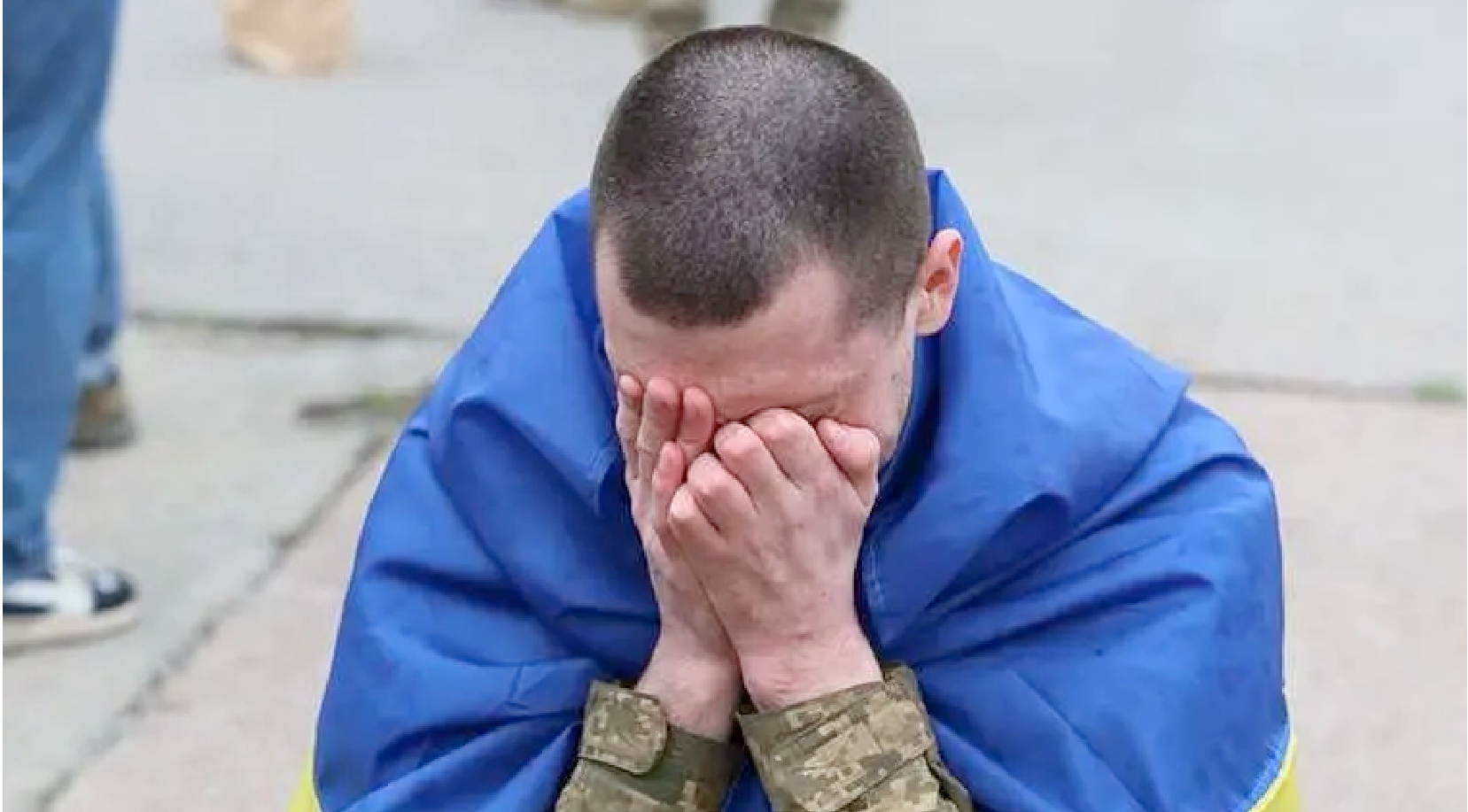
(ZENIT News / Moscow – Kyiv, 04.10.2026).- For a few hours this April 2026, the rhythm of war between Vladimir Putin and Volodymyr Zelensky is expected to yield to the cadence of liturgy. Moscow and Kyiv have announced a temporary ceasefire to coincide with Orthodox Easter, a gesture that carries symbolic weight but also underscores the persistent fragility of any diplomatic opening in the conflict.
According to the Kremlin, Russian forces are to suspend hostilities from 16:00 on April 11 until the end of April 12, a window of roughly 32 hours aligned with the central celebration of the Orthodox calendar. The order has been transmitted to military commanders across all fronts, though with a caveat that reflects the enduring mistrust between the two sides: troops are to remain ready to respond to any “provocation” or hostile action.
Kyiv, for its part, has signaled willingness to reciprocate. Zelensky reiterated that Ukraine has repeatedly proposed ceasefires linked to religious observances and broader humanitarian considerations. His message ahead of the truce framed the moment not only as a pause in violence but as a test of intent. The population, he said, deserves “an Easter without threats,” while suggesting that the true measure of goodwill would be whether Russia refrains from resuming attacks once the feast has passed.
The exchange reveals a familiar pattern in the war’s diplomatic choreography. While both sides invoke the language of peace, their underlying positions remain far apart. At the end of March, the Kremlin dismissed earlier Ukrainian calls for an Easter ceasefire, with spokesman Dmitry Peskov arguing that Kyiv had not presented a sufficiently concrete proposal and warning that any prolonged pause could be used by Ukraine to regroup militarily. Moscow has consistently resisted longer ceasefires, in contrast to Kyiv’s preference for a 30-day halt to hostilities, a position that has at times found support from Washington.
Ukraine has repeatedly stated that we are ready for symmetrical steps. We proposed a ceasefire during the Easter holidays this year and will act accordingly. People need an Easter free from threats and real movement toward peace, and Russia has a chance not to return to strikes…
— Volodymyr Zelenskyy / Володимир Зеленський (@ZelenskyyUa) April 9, 2026
Short-term truces tied to religious or historical commemorations are not unprecedented in this conflict. Russia has previously declared unilateral pauses, including a 30-hour ceasefire during last year’s Orthodox Easter and another linked to the anniversary of the Soviet victory over Nazi Germany. Yet these interruptions have rarely translated into sustained de-escalation. Instead, they function as brief interludes—moments in which political messaging, humanitarian optics, and religious symbolism intersect without altering the strategic calculus on the ground.
The choice of Easter is not incidental. In the Christian East, the feast is the liturgical center of the year, marking the Resurrection and carrying a strong theological emphasis on reconciliation and new life. Historically, appeals to suspend violence during major धार्मिक celebrations have surfaced in various conflicts, though with uneven results. In the current war, the invocation of Easter highlights the enduring cultural and spiritual common ground between two nations otherwise locked in a protracted confrontation.
Whether this latest truce will hold even for its limited duration remains uncertain. Both sides have left room for rapid escalation should incidents occur, and neither has committed to extending the pause. For civilians living under the shadow of war, the prospect of even a brief respite carries undeniable significance. Yet the broader trajectory of the conflict suggests that such pauses, however meaningful symbolically, remain tactical rather than transformative.
In that sense, the Easter ceasefire offers less a turning point than a mirror: it reflects both the persistent desire for peace and the structural obstacles that continue to prevent it.
Thank you for reading our content. If you would like to receive ZENIT’s daily e-mail news, you can subscribe for free through this link.

Publicaciones relacionadas:
 World’s Youngest Cardinal Takes Part in a Course for Exorcists in Rome and Offers Five Ecclesial Ways against the Devil
 Pope Francis calls on rich countries to forgive the debt of the poor on occasion of Jubilee 2025
 USA: WA attorney general ends illegal campaign against pro-life pregnancy centers
 Justice and its function: a reflection by Pope Leo XIV before judges from around the world on the occasion of the Jubilee
