

Mary Tran Thi Yen*
(ZENIT News / Hanoi, 07.24.2025).- The digital revolution has utterly transformed human existence. Thanks to the prevailing winds of individualism and liberalism, people now embrace pleasure without the traditional fears of condemnation or punishment.
Yet, as media transcends national boundaries, making each person a global citizen, our relationships have taken on a new, often disorienting, dimension. The once clear lines between virtual and physical spaces are now undeniably blurred.
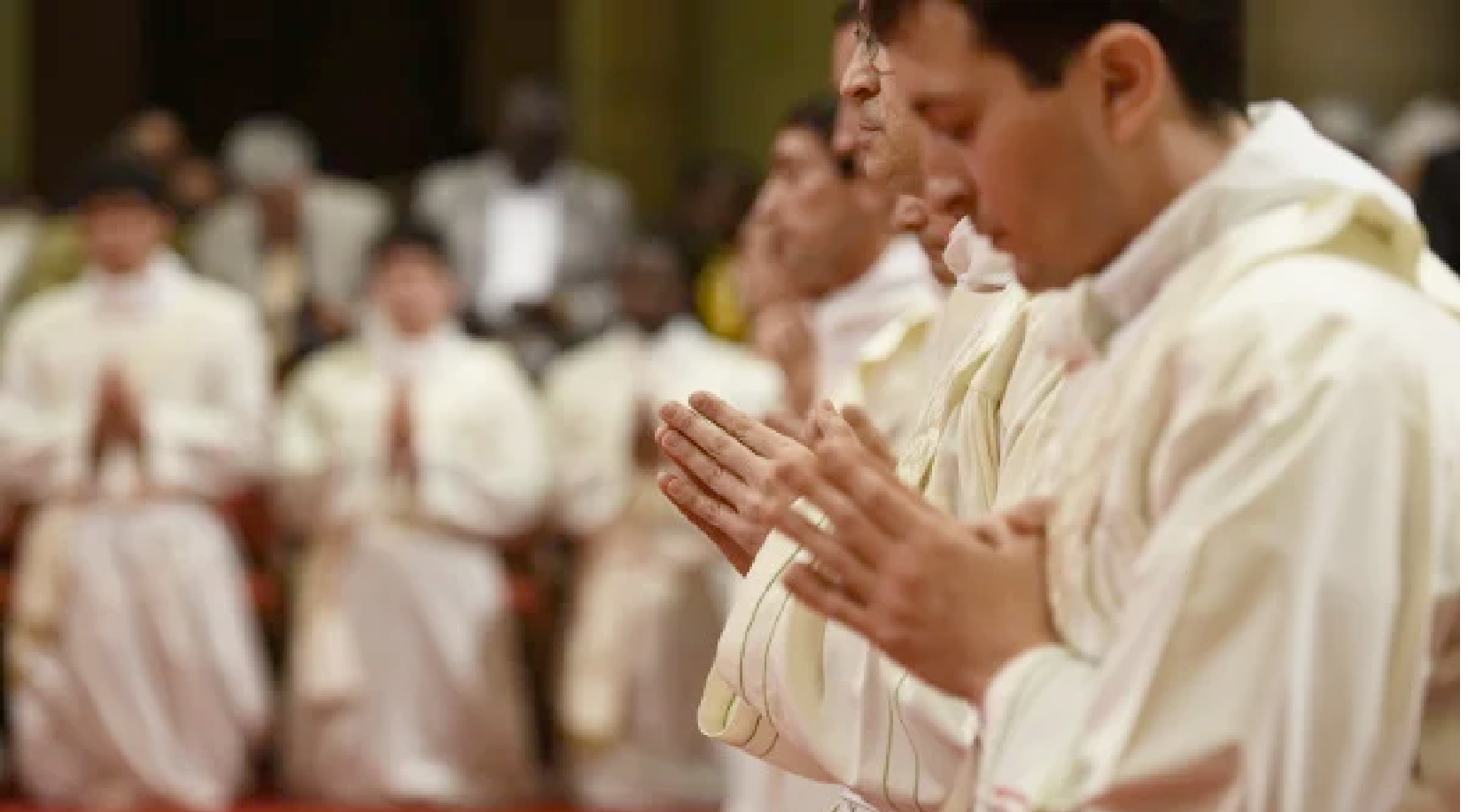
This seismic shift presents a formidable challenge for priests and religious: how to integrate into modern society and stay technologically relevant without compromising Jesus’s narrow, demanding path, thus preserving their sacred vow of celibate chastity.
The Catechism of the Catholic Church defines chastity as mirroring Christ’s purity through the proper integration of sexuality into one’s moral life and relationships.
But what, precisely, does this «sexual integration» entail?
Catholic psychologists clarify it as positioning one’s sexuality appropriately within their entire personality.
In stark reality, many priestly and religious individuals are failing to properly integrate their sexuality. They neglect to give it the necessary time, energy, and attention. This void is increasingly filled by a secular-tinged virtual world that infiltrates convents, monasteries, and seminaries, causing significant disorientation and deviation from their consecrated, chaste lives.
Whether laboring in the world or cloistered in prayer, religious men and women face an ever-present, insidious threat to their sacred vow. Pornography and sexually explicit content are a mere click away. While technology is undeniably crucial for ministry, study, and communication, the temptations to chastity are prowling like a hungry lion, ready to devour the unprepared.
This is not a mere challenge; it is an existential battle for spiritual survival and the very integrity of consecrated life.
The consequences are chilling: younger religious, tragically, are often the most vulnerable. Abusing computers and phones for social media has become a gateway to pornography addiction, sexting, compulsive masturbation, and even anonymous sexual encounters.
The fallout is severe: devastating health, flagrant violations of community rules, chronic negligence in duties and pastoral care, spiritual desiccation, and a scandalous abdication of responsibility towards their communities, congregations, or parishes. The ultimate, horrifying outcome is sexual relations, pregnancy, and the forced abandonment of their vocation.
Religious who fail to achieve sexual integration invariably divert their time and mental energy from God and His divine work. They neglect basic needs, forsake prayer, and abandon their responsibilities, utterly consumed by the internet’s siren call. They ignore the profound daily self-examination championed by Saint Augustine: I am, I know, and I want. This neglect breeds disaster.
Many who return to secular life do so because they’ve forged so many unhealthy relationships through social media. My friend, a nun, and a consecrated brother maintained contact from university days. After their first vows, they reconnected. Over time, forbidden affections blossomed, ultimately compelling them to abandon their vocations. This pattern is not uncommon.
The roots of this crisis are manifold. External pressures include crippling workloads, unstable community dynamics leading to profound loneliness, or the seductive pull of worldly affections. Yet, the deeper, more insidious internal factor is the individual’s own emotional and sexual immaturity. When communal discord breeds isolation, for instance, instead of seeking reconciliation, many tragically turn to external «fillers» — often, dangerously, to individuals of the opposite sex outside their communities.
My own experience bears witness. In 2012, as a university student, I encountered Facebook, an intoxicating new world. I spiraled into social media addiction, seeking connection with the opposite sex. The «flirty» messages sent tremors through my heart, providing a perverse pleasure that dragged me deeper into the digital abyss. In moments of loneliness or misunderstanding, these superficial affections became a deceptive comfort.
But, thankfully, God intervened, pulling me back through other events. Now, I understand with chilling clarity: sexual attraction is a primal human instinct; it will rise at any time. I cannot evade it, nor should I deny it. Instead, I must confront it head-on, accept it for what it is, and with divine grace, sublimate it in alignment with my sacred vocation.
The genesis of all sin lies in immaturity, ignorance, and a shocking inability to bridle natural instincts, leading inevitably to either crippling deficiency or destructive excess.
To avoid excessive social media use, priests and religious must cultivate a discerning awareness of their actions, consistently asking themselves:
- Who am I?
- What is my actual purpose in using these tools?
- How much time am I truly dedicating to them versus to God and my duties?
- If I misuse them, what negative consequences will I face?
- Am I genuinely mature enough to withstand the sexual onslaught that social media unleashes?
If the answers suggest a departure from my religious rules, my consecrated identity, or if my «wellness wheel» becomes unbalanced, then the message is undeniable: I am in grave spiritual peril. Immediate, decisive action is an absolute imperative.
Living a celibate life is inherently challenging, particularly when media is an inescapable part of daily existence. Therefore, for priests and religious to mature, constant prayer and an unwavering bond with Jesus in the Eucharist are not optional, but essential.
It is this extraordinary love for God that will empower us to maintain balance and temperance in all our actions, aligning our intentions with His. And it is this very love that will sanctify our fatigue and grievances, transforming sacrifice into profound joy, happiness, and gratitude.
***
*Mary Tran Thi Yen is a nun of the Lovers of the Holy Cross based in Hanoi. This commentary is based on a Vietnamese-language article published initially on tonggiaophanhanoi.org. It was summarized, translated, and edited by UCA News.
Thank you for reading our content. If you would like to receive ZENIT’s daily e-mail news, you can subscribe for free through this link.

Publicaciones relacionadas:
 From Amazon to Turkey: Indigenous children ‘kidnapped’ and converted to Islam
 The Problem of Suicide Among the Catholic Clergy: Alarm Raised Given the Increase in Some Countries
 Italy’s Shrinking Wedding Numbers: A Cultural and Demographic Shift
 Leo XIV, Trump, and the moral legitimacy of war in the Middle East: diplomacy as the Vatican’s only “weapon”
