

(ZENIT News / Rome, 11.23.2025).- Nigeria is entering one of its most anxious weeks in recent memory as a surge of violent attacks against Christian communities, schools and clergy has reignited long-standing fears about security across the country. President Bola Tinubu, faced with simultaneous crises in multiple states, has postponed a scheduled diplomatic trip to southern Africa in order to monitor developments and coordinate the federal response.
The escalation began unfolding in a grim sequence. In the town of Eruku, in Kwara State, worshippers at a Pentecostal church were caught in a nighttime assault by an armed group that broke into the building during a service. Two people were killed on the spot, and several more were injured. Initial accounts suggest that the pastor and dozens of congregants were taken into the surrounding bushland after being beaten and dragged away. Local officials have struggled to confirm the precise number of those missing, and families have spent days searching for news.
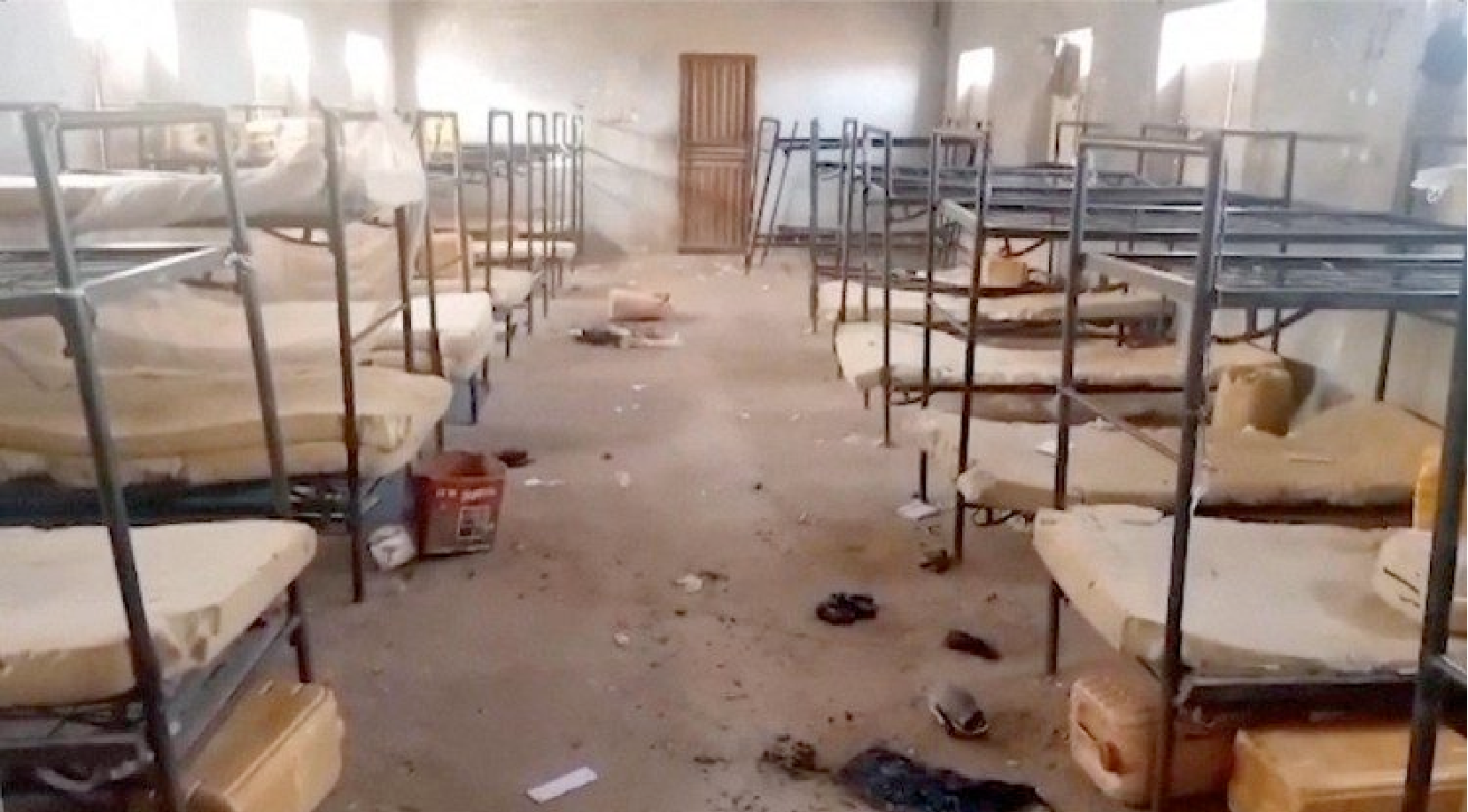
Barely 48 hours earlier, another tragedy struck hundreds of kilometers to the northwest. A girls’ public school in Kebbi State was stormed late on a Sunday evening by armed men who forcibly removed at least twenty young students. The deputy headmaster, who tried to shield the girls, was killed during the attack. Unlike previous kidnappings in the region, no group has claimed responsibility, nor has any ransom demand been issued — leaving parents in a state of agonizing uncertainty.
This pattern of coordinated assaults continued as a Catholic parish in the Archdiocese of Kaduna was targeted soon after the Kebbi abduction. The parish priest was seized during an attack on the remote community of Kushe Gugdu, prompting parishioners to hold prayer vigils and appeal urgently for his release. Church leaders in the region have warned that rural Christians are increasingly vulnerable as armed groups exploit weak security structures and vast, unmanned territories.
The sense of national alarm grew even sharper when, in the early hours of November 21, attackers riding motorcycles and traveling in multiple vehicles forced their way into St. Mary’s Catholic Primary and Secondary School in the Papiri area of Niger State. According to the Diocese of Kontagora, nearly one hundred students and staff were taken during the raid, which lasted roughly two hours. A security guard was reportedly left critically injured. The diocese condemned the incident as a direct assault on the most defenseless members of society and urged authorities to guarantee the safe recovery of all those captured.
Security agencies were notified immediately, and joint units began operations across the surrounding forests and rural corridors — areas often used by bandits as transit routes. While officials have offered assurances of progress, families have expressed frustration at the absence of detailed updates.
These crises have drawn renewed international and ecclesial attention, particularly from Pope Leo XIV, who has spoken repeatedly about Nigeria’s increasingly fragile security environment. During a conversation with journalists in Castel Gandolfo on November 18, he reflected on what he called a complex mix of religious tension, territorial disputes and criminal opportunism. The Pope emphasized that both Christians and Muslims have been victims of violence driven not only by ideology but by competition for land and resources. He appealed for sustained cooperation between government leaders and local communities to safeguard authentic religious freedom.
Days later, addressing pilgrims in St. Peter’s Square after the Sunday Angelus, he once again turned to the subject with a visibly heavy tone. The Pope lamented the kidnapping of priests, lay faithful and students in Nigeria and neighboring Cameroon, highlighting the anguish of parents awaiting news of their children. He urged the immediate release of all captives and called on civil authorities to act decisively so that schools and churches may remain places of hope rather than targets of fear.
For Nigeria, the coming days will determine not only the fate of those abducted but the credibility of a national effort to reclaim security in its most threatened communities. As rescue operations continue, faith leaders, families and civil society groups are united in a plea that the country not grow numb to a chain of tragedies that has now stretched across states, denominations and generations.
Thank you for reading our content. If you would like to receive ZENIT’s daily e-mail news, you can subscribe for free through this link.

Publicaciones relacionadas:
 Killings of Nigeriani Christians on the rise
 USA: After Supreme Court’s landmark free speech ruling, photographers in KY, NY seek to also create freely
 Archbishops demand West lift sanctions crippling Christian community
 USA: House members condemn prosecution of Finnish politician on trial again for Bible tweet
