(ZENIT News / Brasilia, 08.08.2025).- Deep in the Amazon rainforest, a decades-old story of exploitation may soon reach its long-awaited conclusion in a Brazilian courtroom. For more than forty years, Catholic priest Ricardo Rezende has pursued justice for rural laborers who, he says, were trapped in conditions tantamount to slavery on a cattle ranch once owned by German automaker Volkswagen.
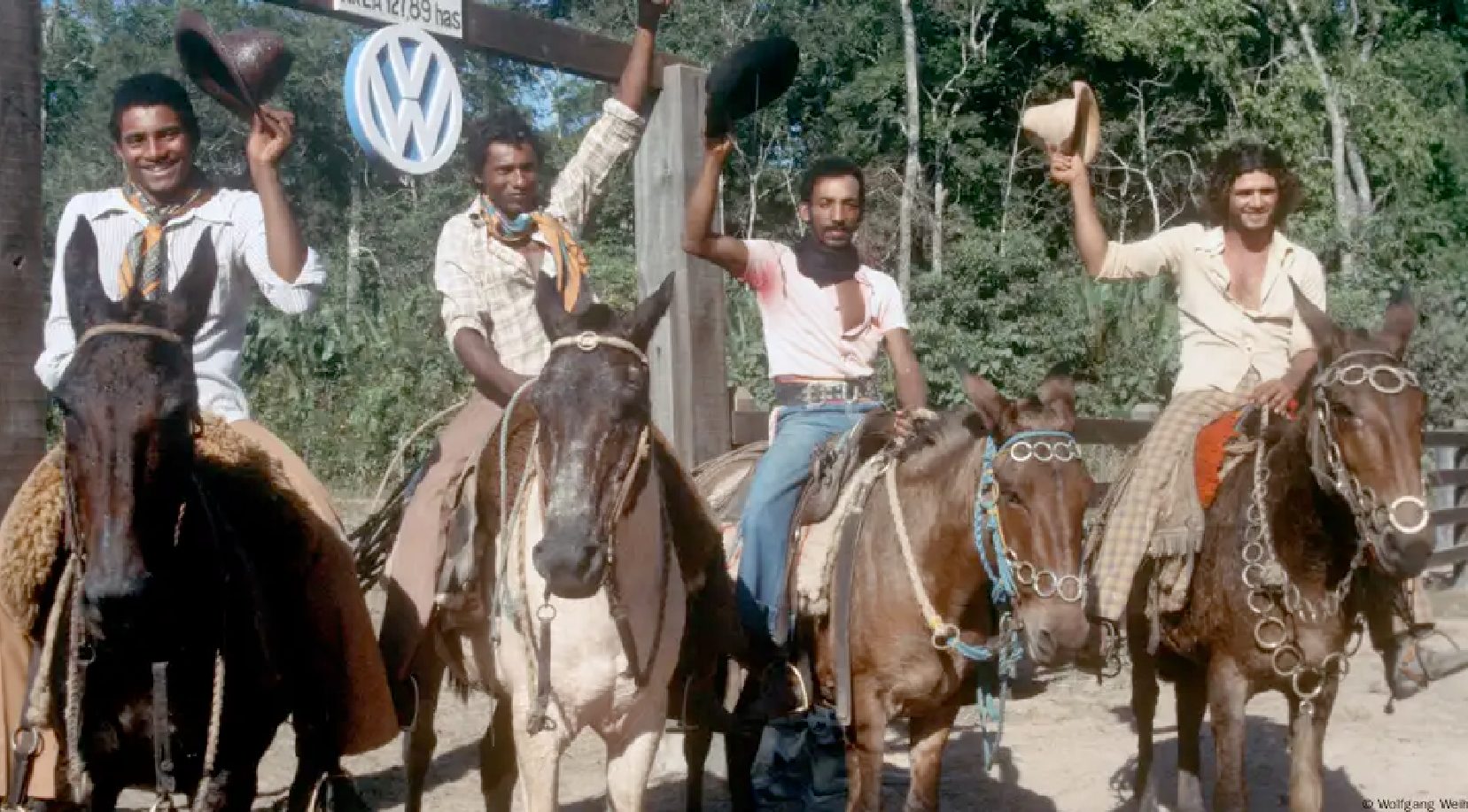
The Vale do Rio Cristalino ranch, nestled near Santana do Araguaia in Pará state, was no ordinary agricultural outpost. In the late 1970s and early 1980s, it was a sprawling operation where, according to survivors, wages were promised but rarely delivered, and escape attempts were met with violence — even death. Prosecutors now seek over \$29 million in compensation, arguing that the abuses fit Brazil’s legal definition of slave labor: debt bondage, restriction of movement, degrading conditions, and coercion.
The case owes its survival to the relentless documentation gathered by Rezende, who arrived in the Amazon as a young priest in the early 1980s. As regional coordinator for the Pastoral Land Commission — a Catholic body formed to defend peasants and rural workers — he began hearing whispered accounts of brutality on the Volkswagen ranch. In 1983, five young men staggered into safety after fleeing the property. Three were just seventeen. Lured by promises of good pay and even a chance to play football, they instead found themselves working ceaselessly, forced to buy necessities at inflated prices from a company store, and forbidden to leave until debts — fabricated and ever-growing — were “repaid.”
“They told me about beatings, about men who disappeared,” Rezende recalls. “Some said others were killed when they tried to run.”
That same year, São Paulo state legislator and former Volkswagen factory worker Expedito Batista traveled to the ranch at the company’s invitation, bringing journalists and union activists. A detour off the official route exposed what Volkswagen had not intended him to see: a laborer, hands tied, being hauled away in the back of a truck. The contractor responsible, known locally as Abilão, claimed the man owed money to the ranch. Batista ordered his release on the spot.
Further visits revealed sick workers left untreated, shacks in place of housing, and evidence of illegal deforestation to clear land for cattle. Rezende himself was handed a paten — a liturgical plate — carved from protected Brazilian hardwood, a token he still regards as proof of environmental crimes alongside the human ones.
While media attention briefly flared in the 1980s, legal consequences never followed. Many offenses eventually fell outside the statute of limitations — except for slavery, which under Brazilian law remains a continuous, non-expiring crime. That loophole kept the case alive. In 2019, Rezende presented his archive to labor prosecutors. Five years later, in December 2024, a formal lawsuit was filed. Hearings took place this May; a verdict is expected by the end of July.
Volkswagen Brazil, in a statement to The Washington Post, has denied all allegations and vowed to “pursue justice” in court. The company declined to grant interviews.
For survivors like Raimundo Batista de Souza, the trial is not merely about financial compensation. “I want them to be held responsible,” he says quietly. “So no other family suffers what we did.”
Rezende shares that hope but remains clear-eyed. “Even if there is a conviction, the scars will not vanish,” he says. “This was not only violence against individuals, but against entire families — a wound that runs through generations.”
If the court rules in their favor, it could mark one of the most significant victories in Brazil’s fight against modern slavery, linking the fate of forgotten rural laborers to the global conscience of industry.
Thank you for reading our content. If you would like to receive ZENIT’s daily e-mail news, you can subscribe for free through this link.