

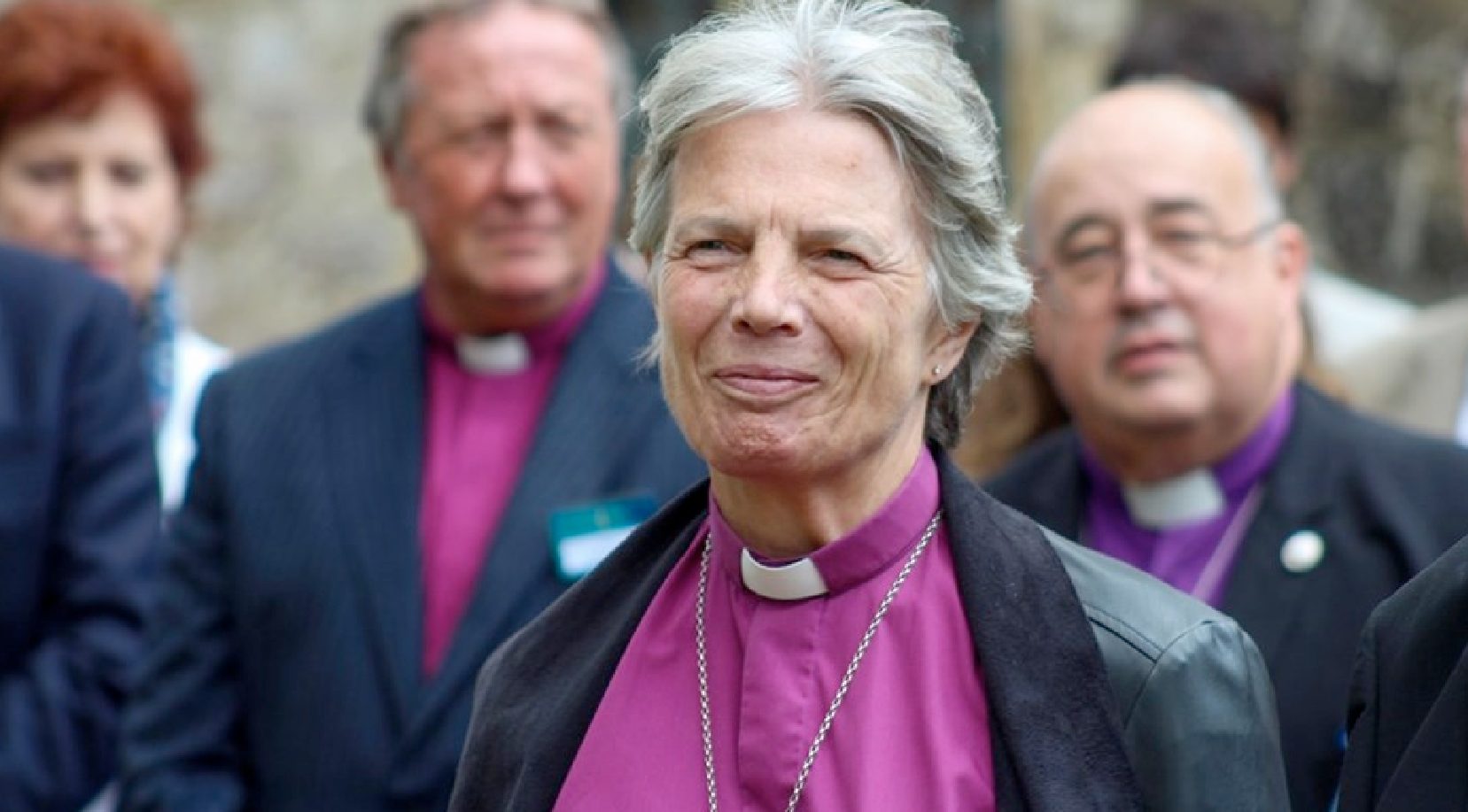
(ZENIT News / Wales, 08.08.2025).- In a move likely to reverberate far beyond Welsh borders, Bishop Cherry Vann of Monmouth has been elected Archbishop of Wales, marking an unprecedented chapter in Anglican history. At 66, she becomes both the first woman to hold the post in the United Kingdom and the first openly LGBTQ+ leader of the Church in Wales — a choice controversy weight as the institution confronts recent wounds over safeguarding and governance failures.
Her election on August 6 followed two days of closed-door deliberations by an electoral college of clergy and lay representatives at St Pierre, near Chepstow. The decision comes barely two months after the abrupt resignation of Archbishop Andy John, who stepped down amid mounting criticism over his handling of misconduct allegations at Bangor Cathedral. While there is no suggestion of personal wrongdoing, John publicly accepted “full responsibility” for a culture that, according to formal reports, tolerated heavy drinking, bullying, and sexual harassment. Investigations in the past 18 months have also flagged serious financial irregularities, including hundreds of thousands of pounds spent on cathedral refurbishments without due oversight.
Vann’s rise is all the more striking for the timing. The Church of England is itself in the midst of selecting a new Archbishop of Canterbury to succeed Justin Welby, whose resignation last November followed scathing criticism over his leadership during a major abuse scandal. Some Anglican leaders in England have privately expressed envy — and perhaps a measure of irritation — that Wales has acted first in appointing a female primate.
A Leicestershire native, Vann trained at the Royal College of Music before entering theological college in 1986. She was among the first women ordained in the Church of England in 1994 and went on to serve as Archdeacon of Rochdale for over a decade before her appointment as Bishop of Monmouth in 2020. Her public support for the Open Table Network, an ecumenical community for LGBTQ+ Christians and allies, reflects a pastoral style rooted in inclusion. She shares her home with her civil partner and their two dogs.
That openness will not be without controversy in the global Anglican Communion, where divisions over sexuality remain acute. Many African provinces remain firmly opposed to same-sex marriage, and similar positions persist in parts of Asia and Latin America. In 2017, the Scottish Episcopal Church faced effective sanctions from Anglican leaders after approving same-sex weddings. While same-sex marriage is still not permitted in the Church in Wales, clergy may enter civil partnerships, and since 2021 same-sex civil marriages have been eligible for church blessings — a policy under review in the coming months.
Vann was chosen from among the five current diocesan bishops in Wales, each eligible for the post. Traditionally, the role goes to the most senior in service, a custom that would have favored Gregory Cameron of St Asaph. The electoral college’s decision to break with precedent may be the clearest sign yet that the Church is consciously steering away from business as usual.
Her formal enthronement at St Gwynllyw Cathedral in Newport will follow later this year. By then, the wider Anglican world will be watching to see whether her leadership ushers in a new era for Welsh Anglicanism — one willing to confront past failures, embrace diversity, and engage candidly with the contentious questions shaping the global church.
Thank you for reading our content. If you would like to receive ZENIT’s daily e-mail news, you can subscribe for free through this link.

Publicaciones relacionadas:
 Pope Francis Adds Coptic Orthodox to the Martyrology of the Catholic Church
 Ecumenism: Pope Francis includes Isaac of Nineveh in Roman Martyrology – Context? Visit of Assyrian East Patriarch
 Pope Francis to Catholic philanthropists: thank you for “your silent support of initiatives that enrich the Church in the United States”
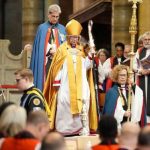 This is what the letter that Pope Leo XIV sent to the first female leader of the Anglican Church on the day of her “enthronement” says
