

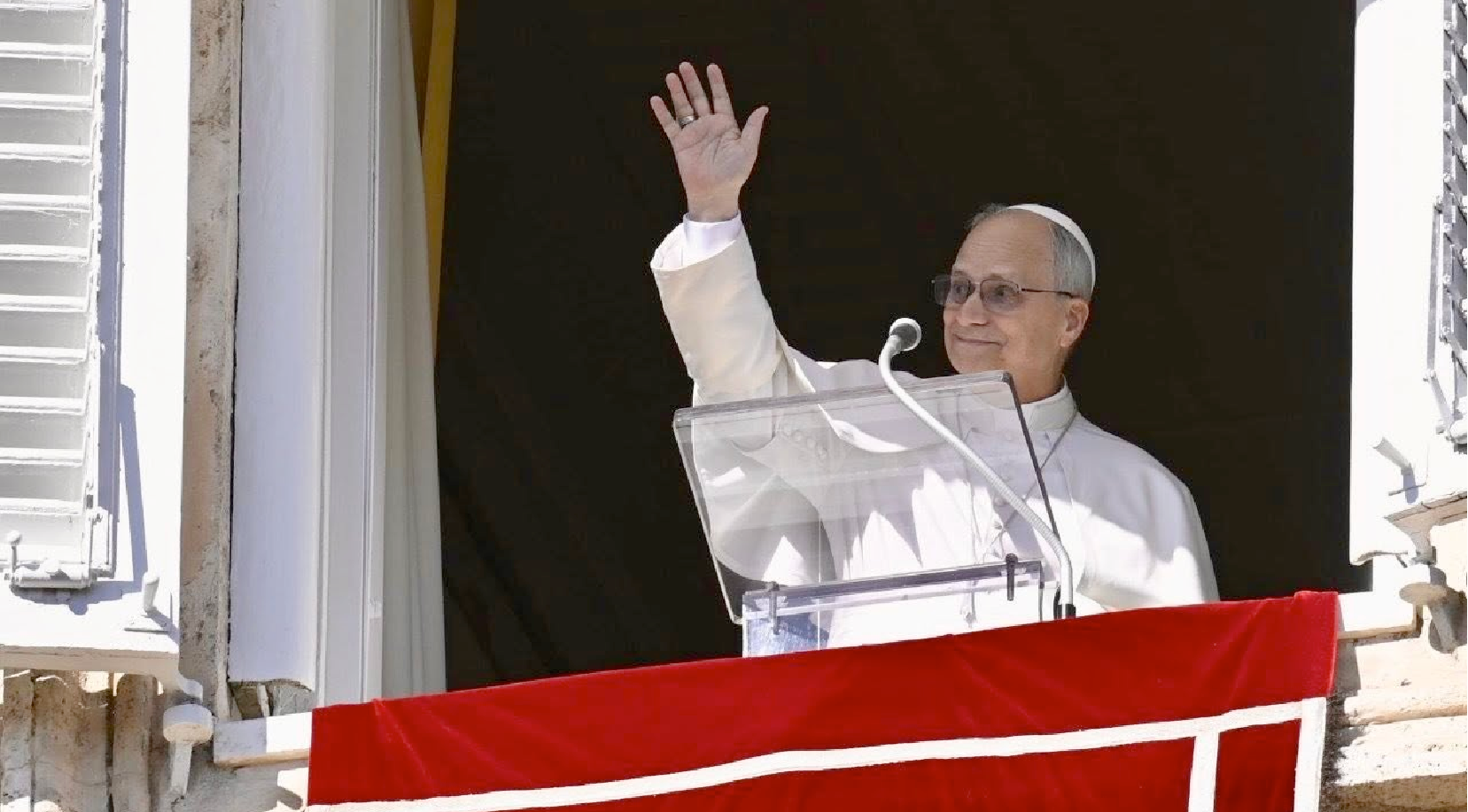
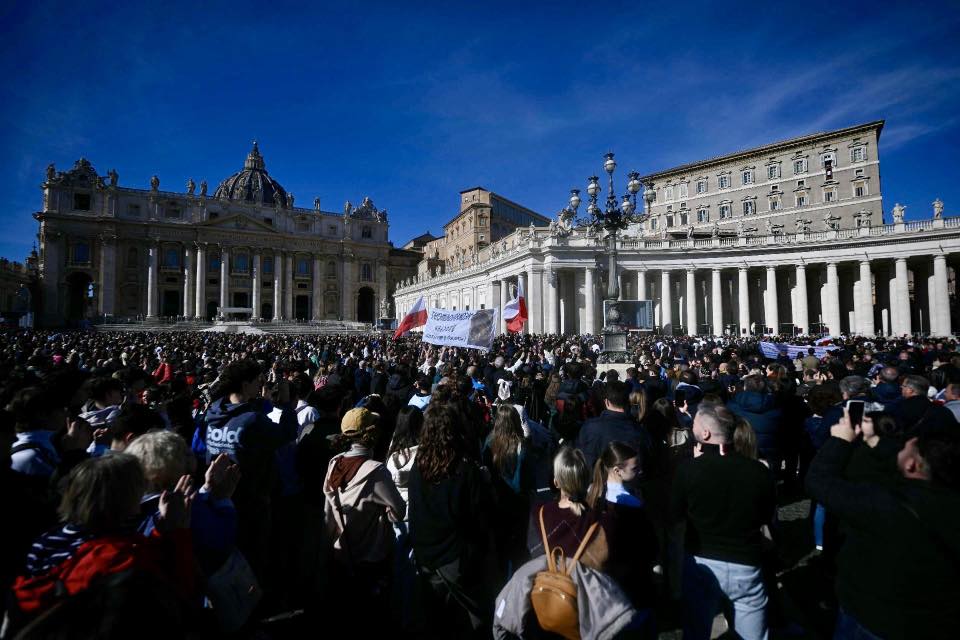
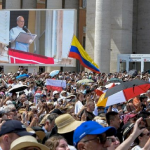
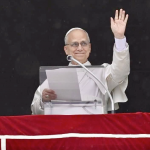
(ZENIT News / Vatican City, 02.01.2026).- Hundreds of people gathered in St. Peter’s Square on Sunday, February 1, to accompany the Holy Father in reciting the Marian prayer of the Angelus. In addition to his address, which we offer translated into English, the Pope referred to the situation between Cuba and the United States, to that of the Congo, and welcomed the Winter Olympics, which begin on Friday, February 6, in northern Italy.
***

Dear brothers and sisters, happy Sunday!
Today’s liturgy proclaims a beautiful passage from the Good News that Jesus announces to all humanity: the Gospel of the Beatitudes (Mt 5:1-12). These are, in fact, lights that the Lord kindles in the darkness of history, revealing the plan of salvation that the Father accomplishes through the Son, with the power of the Holy Spirit.
On the mountain, Christ gives his disciples the new law, no longer written on stone. It is a law that renews our lives and makes them good, even when the world seems to have failed us and is full of misery. Only God can truly call the poor and afflicted blessed (cf. vv. 3-4), because he is the highest good who gives himself to all with infinite love. Only God can satisfy those who seek peace and justice (cf. vv. 6.9), because he is the just judge of the world and the author of eternal peace. Only in God do the meek, the merciful and the pure of heart find joy (vv. 5.7-8), because he is the fulfilment of their expectations. In persecution, God is the source of redemption; in falsehood, he is the anchor of truth. Therefore, Jesus proclaims: “Rejoice and be glad!” (v. 12).
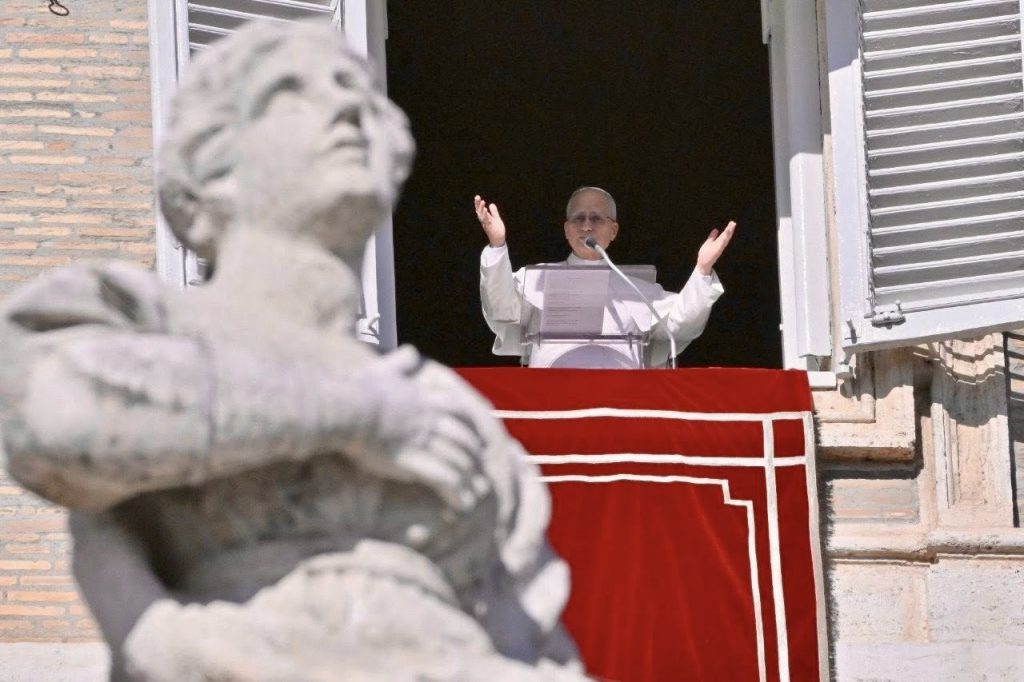
These Beatitudes remain a paradox only for those who believe that God is other than how Christ reveals him. Those who expect the arrogant to always rule the earth are surprised by the Lord’s words. Those who are accustomed to thinking that happiness belongs to the rich may believe that Jesus is deluded. However, the delusion lies precisely in the lack of faith in Christ. He is the poor man who shares his life with everyone, the meek man who perseveres in suffering, the peacemaker persecuted to death on the cross.
In this way, Jesus illuminates the meaning of history. It is no longer written by conquerors, but rather by God, who is able to accomplish it by saving the oppressed. The Son looks at the world through the Father’s love. On the other hand, as Pope Francis said, there are “the experts in illusion. We should not follow them because they are unable to give us hope” (Angelus, 17 February 2019). Instead, God gives this hope primarily to those whom the world dismisses as hopeless.
Therefore, dear brothers and sisters, the Beatitudes become for us a measure of happiness, leading us to ask whether we consider it an achievement to be bought or a gift to be shared; whether we place it in objects that are consumed or in relationships that accompany us. It is in fact because of Christ (cf. Mt 5:11) and thanks to him that the bitterness of trials is transformed into the joy of the redeemed. Jesus does not speak of a distant consolation, but of a constant grace that always sustains us, especially in times of affliction.
The Beatitudes lift up the humble and disperse the proud in their inmost thoughts (cf Lk 1:51). Therefore, we ask for the intercession of the Virgin Mary, servant of the Lord, whom all generations call blessed.
Thank you for reading our content. If you would like to receive ZENIT’s daily e-mail news, you can subscribe for free through this link.

Publicaciones relacionadas:
 How God makes us into his dwelling places: a reflection of Pope Leo XIV
 The Apostles Peter and Paul explained and applied to today’s Church by Pope Leo XIV
 The Our Father explained by Pope Leo XIV
 The account of the resurrection of Lazarus and the symptom of a longing for the infinite, as reflected upon by Leo XIV
