

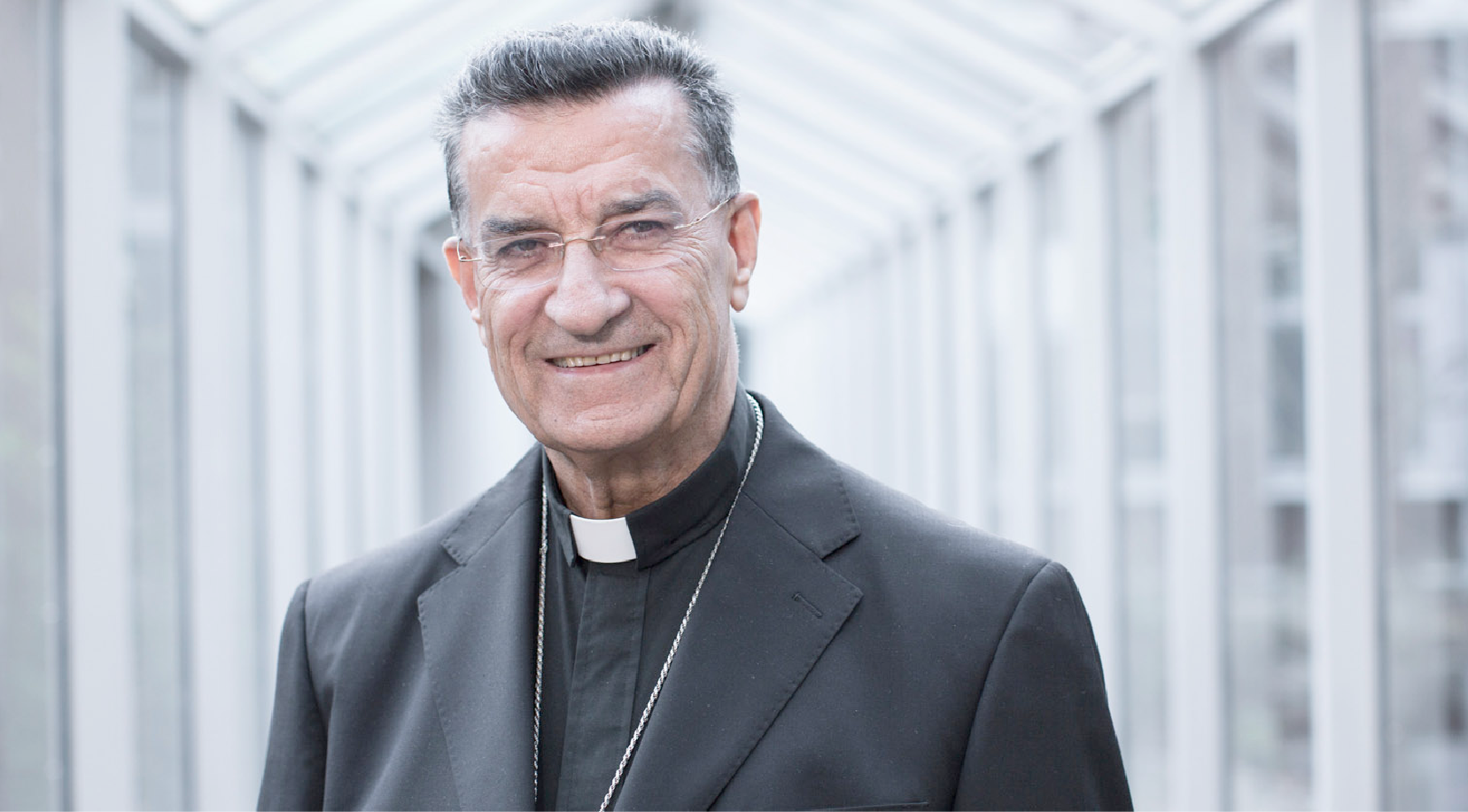
(ZENIT News / Beirut, 08.20.2025).- The possibility of a papal journey to Lebanon has gained momentum after the country’s Maronite patriarch, Cardinal Bechara Rai, disclosed that Pope Leo XIV could visit before the year’s end. Speaking in an interview with the Saudi broadcaster Al-Arabiya on August 19, Rai said the pontiff’s arrival would likely take place “between now and December,” though no precise date has yet been set. The Vatican has not formally confirmed the trip.
If realized, the visit would mark the first by Leo XIV to a country where Christians, though diminished in numbers, continue to play a decisive role in the political and cultural landscape of the Middle East. It would also carry strong symbolic weight for Lebanon’s embattled Catholic community, which has endured political instability, economic collapse, and waves of emigration in recent years.
Speculation about Leo XIV’s travel schedule does not stop at Beirut. The Pope himself has spoken about a desire to be present in Turkey for the commemoration of the 1700th anniversary of the Council of Nicaea, the historic gathering of bishops in 325 that gave birth to the Nicene Creed. The celebrations are planned for late November in İznik (ancient Nicaea) and in Istanbul. Church historians and ecumenical leaders see the anniversary as a chance to highlight unity among divided Christian traditions.
Diplomatic sources in Rome suggest that, apart from Lebanon and Turkey, the calendar for 2025—designated a Jubilee Year—will likely remain free of other papal journeys. Yet officials do not rule out the possibility that Leo XIV could combine both destinations into a single itinerary, bringing together East and West in a gesture rich with resonance.
The groundwork for such a trip appears to have been quietly laid in recent months. Lebanese President Joseph Aoun was received in audience at the Vatican in June, and senior curial figures have already traveled to the country this year: Cardinal Claudio Gugerotti, the prefect overseeing Eastern Churches, and Cardinal Michael Czerny, head of the Vatican’s development office. Their presence fueled speculation that preparations for a papal stop were underway.
History, however, counsels caution. Pope Francis had once been expected to travel to Lebanon in 2022, with Beirut’s presidential office even announcing the visit. The Vatican never confirmed it, and ultimately health concerns forced its cancellation. That experience left Lebanese Catholics eager but wary of premature expectations.
Meanwhile, conversations about papal travel are not confined to the Middle East. Earlier this year, Cardinal Daniel Sturla of Montevideo hinted publicly that Uruguay could receive the Pope during a projected apostolic journey to South America. Other nations floated as possibilities have included Peru, Paraguay, and Argentina, though nothing official has emerged.
For now, all eyes are on Lebanon and Turkey. A combined visit would allow Leo XIV to anchor himself both in the suffering realities of Middle Eastern Christians and in the enduring legacy of the first ecumenical council—two dimensions that continue to shape the Catholic imagination nearly seventeen centuries later.
Thank you for reading our content. If you would like to receive ZENIT’s daily e-mail news, you can subscribe for free through this link.

Publicaciones relacionadas:
 US Congress: bill introduced to prevent revocation of Pope Leo XIV’s citizenship and tax issues
 Pope Leo XIV scores 8 out of 10 in US approval poll: here are the results
 On the controversy in the German episcopate regarding Leo XIV’s clear “no” to liturgical blessings for gay couples
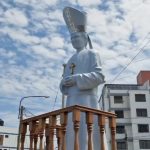 This is the 197-inch sculpture dedicated to Pope Leo XIV in his former Peruvian diocese
