(ZENIT News / Rome, 10.02.2025).- The Trump administration signaled that it is weighing whether gender ideology plays a role in a spate of recent acts of political violence, a question that would have been unimaginable in mainstream U.S. policy debates only a few years ago. The move comes amid several high-profile incidents involving assailants or suspects who had struggled with questions of gender identity, including the attempted assassination of Supreme Court Justice Brett Kavanaugh and mass shootings at two religious schools.
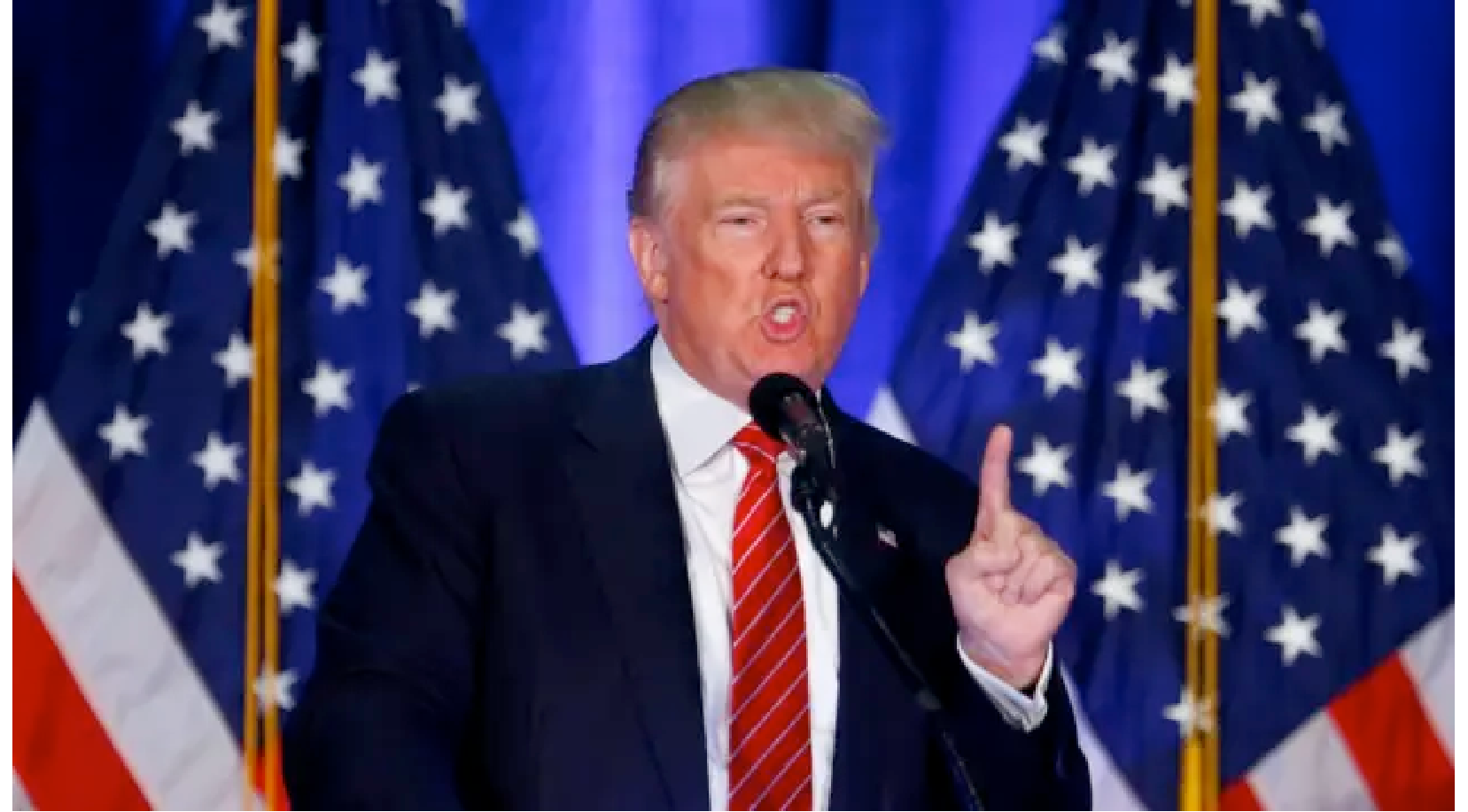
During a conversation aboard Air Force One, President Donald Trump told the conservative outlet «Daily Wire» that his team was “looking closely” at what might be motivating these attacks. “It looks like there’s something there,” he said, while stressing that no conclusions had yet been reached. White House Press Secretary Karoline Leavitt echoed the sentiment, calling the trend “definitely worth investigating” and dismissing critics who say it is irrelevant as “deliberately ignoring reality.”
The debate is fueled by a grim roster of cases. Tyler Robinson, charged with the killing of conservative activist Charlie Kirk, reportedly saw Kirk as “hateful” and was living with a housemate in gender transition. Robert “Robin” Westman, who opened fire at a Catholic school before killing himself last month, had legally changed gender markers years earlier and posted a manifesto railing against the political right. Audrey “Aiden” Hale, responsible for the 2024 Covenant School massacre, left behind a 90-page diary filled with anguish over her female identity and a despairing rejection of religion. And in 2022, Nicholas Roske—now identifying as “Sophie”—was arrested outside Justice Kavanaugh’s Maryland home with a gun. At the time, officials said he was motivated primarily by abortion rights; only later did his gender identity come to light.
Roske’s case in particular has complicated the national narrative. Court filings show a young person spiraling during the pandemic—abandoning therapy, questioning identity, and moving from evangelical roots to nihilistic online communities. His family, now publicly supportive of LGBTQ groups, submitted heartfelt letters asking the court to consider Roske’s transition as a mitigating factor. Roske himself wrote that he regrets contributing to “political violence in American life” and that arriving at Kavanaugh’s doorstep jolted him into recognizing the humanity of his intended target. He has since begun hormone treatment in custody ahead of a scheduled October 1 sentencing.
What unites these episodes is not yet clear, but the political stakes are high. Supporters of a federal inquiry argue that ignoring a potential pattern risks allowing ideology to mask or exacerbate mental-health crises. Critics counter that focusing on gender identity risks stigmatizing an already vulnerable population and confuses correlation with causation. Experts in medical ethics note that some gender-affirming interventions, especially in minors, remain contested and can intersect with untreated psychiatric conditions, but warn against using isolated tragedies to craft sweeping policies.
For the White House, the challenge is both empirical and moral. The government must determine whether the apparent cluster of gender-related cases is coincidence, a reflection of broader social upheaval, or something more specific. At the same time, officials must navigate a polarized environment in which questions about gender identity, mental health, and violence are flashpoints in America’s culture wars.
Whatever the outcome of the investigation, the cases have already raised profound questions about how society treats people at the intersection of ideological radicalization, mental illness, and gender dysphoria—and about the responsibilities of political leaders to respond without inflaming prejudice. As one federal law-enforcement official put it, the inquiry is still in “its earliest stages,” but the urgency is undeniable: “We need to know not just who planned what, but why.”
Thank you for reading our content. If you would like to receive ZENIT’s daily e-mail news, you can subscribe for free through this link.