

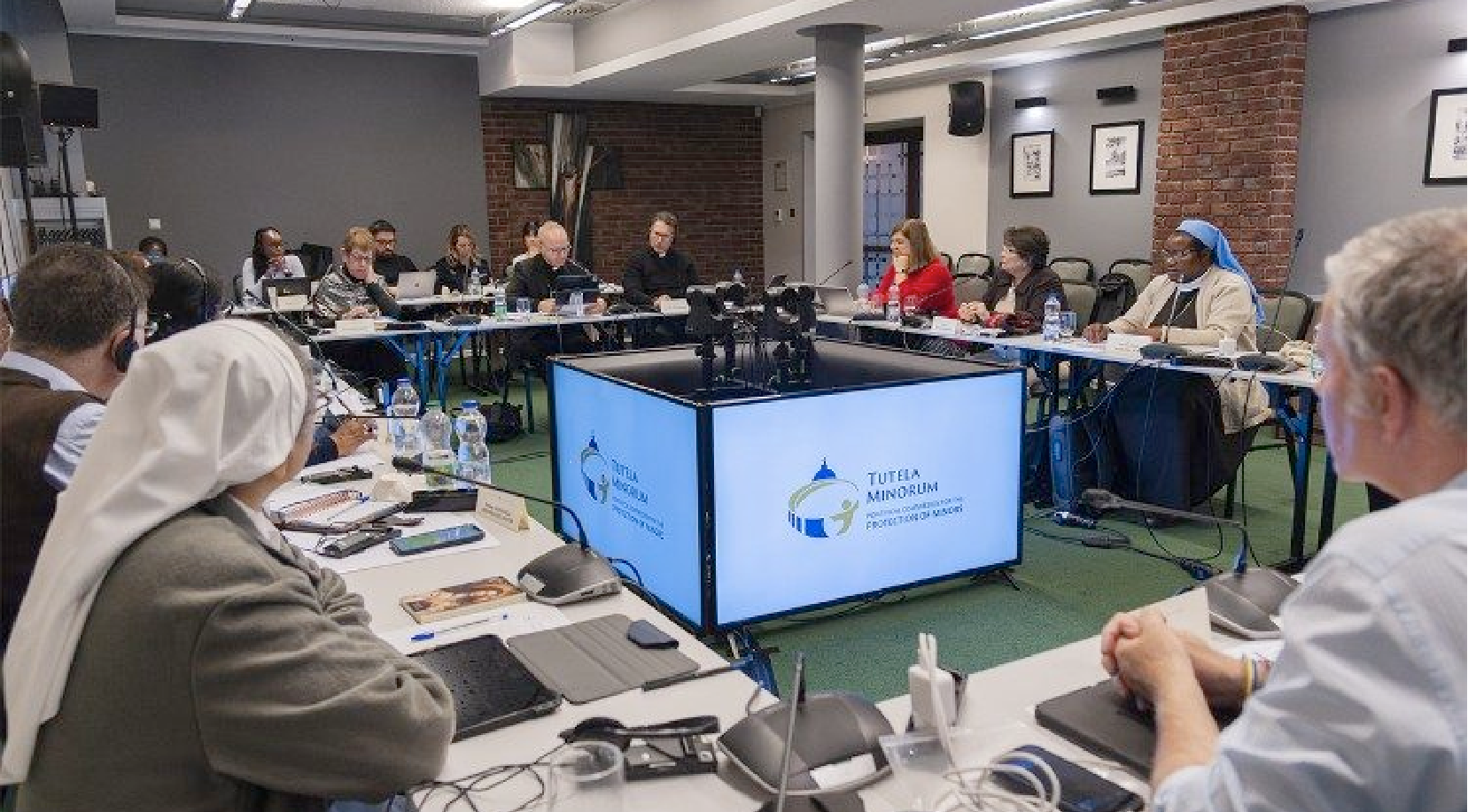
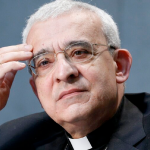
(ZENIT News / Roma, 10.07.2025).- The Pontifical Commission for the Protection of Minors closed its Autumn Plenary Assembly in Krakow on October 3, following five days of deliberation on how to strengthen child safeguarding across the global Church. Under the leadership of its new president, Archbishop Thibault Verny of Chambéry, the Commission outlined a strategy that calls for courage, humility, and a renewed sense of moral clarity in addressing abuse and prevention.
For Verny, who assumed office earlier this year, the meeting marked more than a change of leadership. It symbolized a shift toward a broader and more interconnected approach to protection—one that listens deeply to survivors, values transparency, and insists on real accountability. Speaking to participants from every continent, Verny urged Church leaders to resist complacency and “learn from one another without opposition,” noting that “some countries in the Global South are further ahead than the North in developing effective safeguarding practices.”
Choosing Poland as the venue carried its own significance. The French prelate emphasized that meeting in Krakow was meant as an act of solidarity with survivors and local communities still grappling with the wounds of past abuse. “Thanks to the victims, we can continue our journey and understand,” Verny said. “The Church must live a culture of protection in dialogue with society, drawing inspiration from it in foresight and prevention.”
A centerpiece of the assembly was the review of the Universal Guidelines Framework (FGU), the set of global principles that will define how every local Church designs its safeguarding systems. Reports were presented from pilot projects in Zimbabwe, Tonga, Poland, and Costa Rica, each providing lessons for how to integrate pastoral, legal, and cultural realities into a unified framework. The final draft of the Guidelines, refined through a synodal process of consultation, will next be discussed with relevant Vatican departments before being presented to Pope Francis.
The Commission’s deliberations also focused on the theme of “conversational justice,” an emerging approach that emphasizes restorative and survivor-centered dialogue. This approach, to be detailed in the upcoming Second Annual Report to be released on October 16, seeks to move beyond bureaucratic responses toward forms of justice that promote healing and institutional reform. The report, to be published in five languages, highlights restorative justice as a theological imperative—rooted in truth, repair, and conversion.
A preview of the third annual report, currently in draft form, was also shared. It will undergo a synodal phase of consultation to expand the range of global data and voices included. Meanwhile, the Commission’s “Memorare” initiative—designed to build local safeguarding capacity—continues to advance, with 17 active projects across the Americas, Africa, and Asia.
Verny’s closing words captured both the urgency and fragility of the moment. While acknowledging the progress of recent years, he warned against “protection fatigue”—the risk of assuming that published guidelines or offices alone can prevent future harm. “We are not immune simply because structures exist,” he said. “Only constant vigilance, humility, and mutual learning can sustain this mission.”
The assembly concluded with a meeting between Commission members and the Polish Bishops’ Conference, reaffirming the Vatican body’s commitment to support local Churches in implementing effective safeguarding systems.
Thank you for reading our content. If you would like to receive ZENIT’s daily e-mail news, you can subscribe for free through this link.

Publicaciones relacionadas:
 Pope’s Commission on Guardianship of Minors gives green light to study group on vulnerable adult issue
 Abuse Is Not Related to Celibacy: Vatican Publishes First Annual Report on Policies for Protection of Minors
 Vatican institutes task force against spiritual abuse and false mysticism
 Vatican Task Force Moves Forward on Defining “Spiritual Abuse” in Canon Law as Leadership Confirmed
