

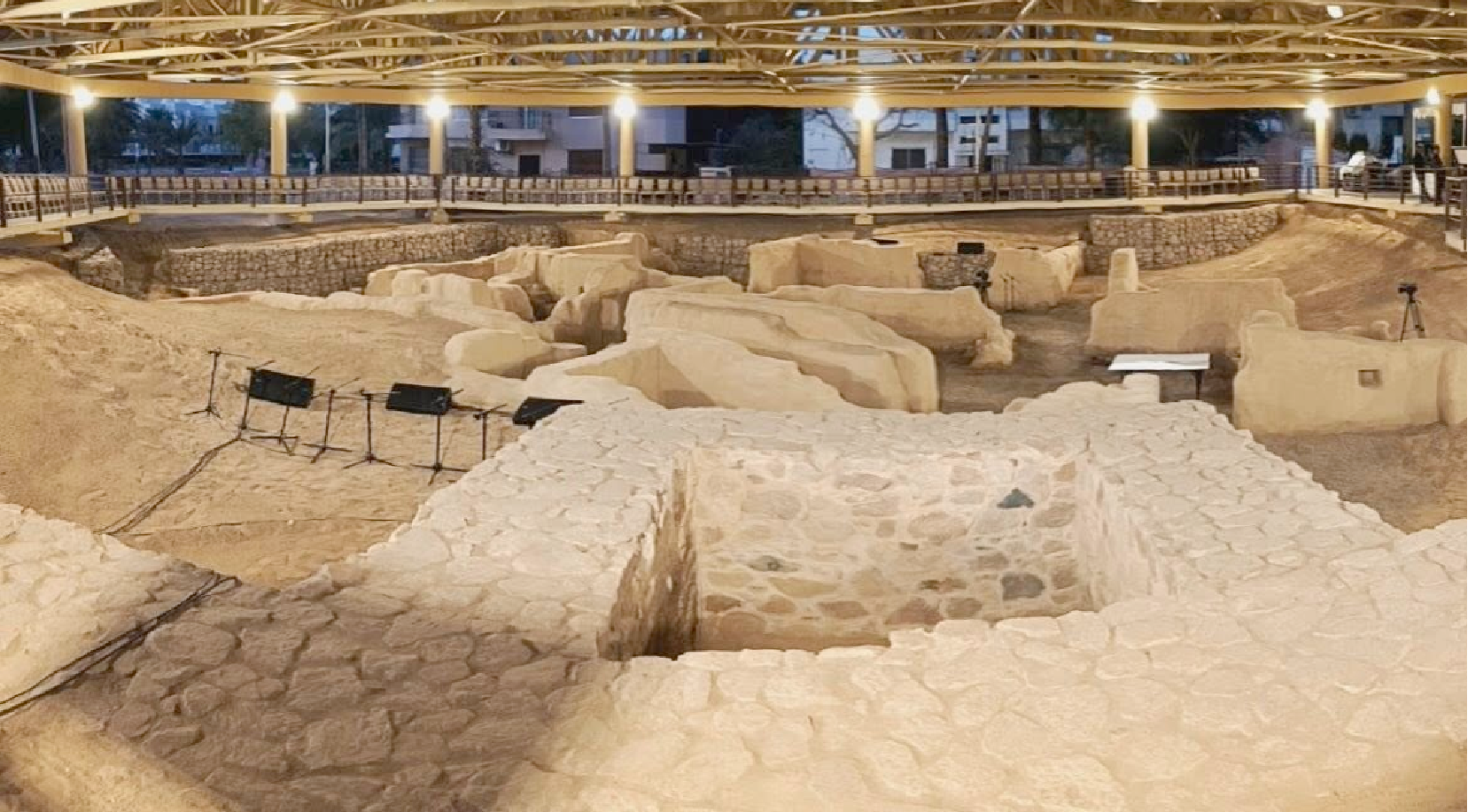
(ZENIT News / Áqaba, 12.23.2025).- Along the shores of the Red Sea, in a city better known today for trade routes and tourism, an unexpected chapter of Christian history has re-emerged. In Aqaba, southern Jordan, an archaeological site long studied by scholars has now been formally opened to the public: the remains of a church dating back to the late third century, widely regarded as the earliest purpose-built Christian place of worship known to date.
The inauguration ceremony, held on 15 December, carried a resonance far beyond archaeology. For the first time since a devastating earthquake struck the region in the year 363, prayers and liturgical chants echoed once again within walls that predate the legalization of Christianity in the Roman Empire. Representatives of Jordan’s monarchy, Christian patriarchates, and church leaders gathered on ground where believers once assembled at a time when public Christian worship was still legally precarious.
Jordan’s Minister of Tourism, Emad Hijazin, officiated the opening on behalf of King Abdullah II, underscoring the dual significance of the event. The site, he said, reflects not only Jordan’s cultural heritage but also its enduring commitment to safeguarding the country’s diverse religious legacy. Aqaba, known in antiquity as Aila, is increasingly presented not merely as a seaside destination, but as a place where spiritual history remains tangible.
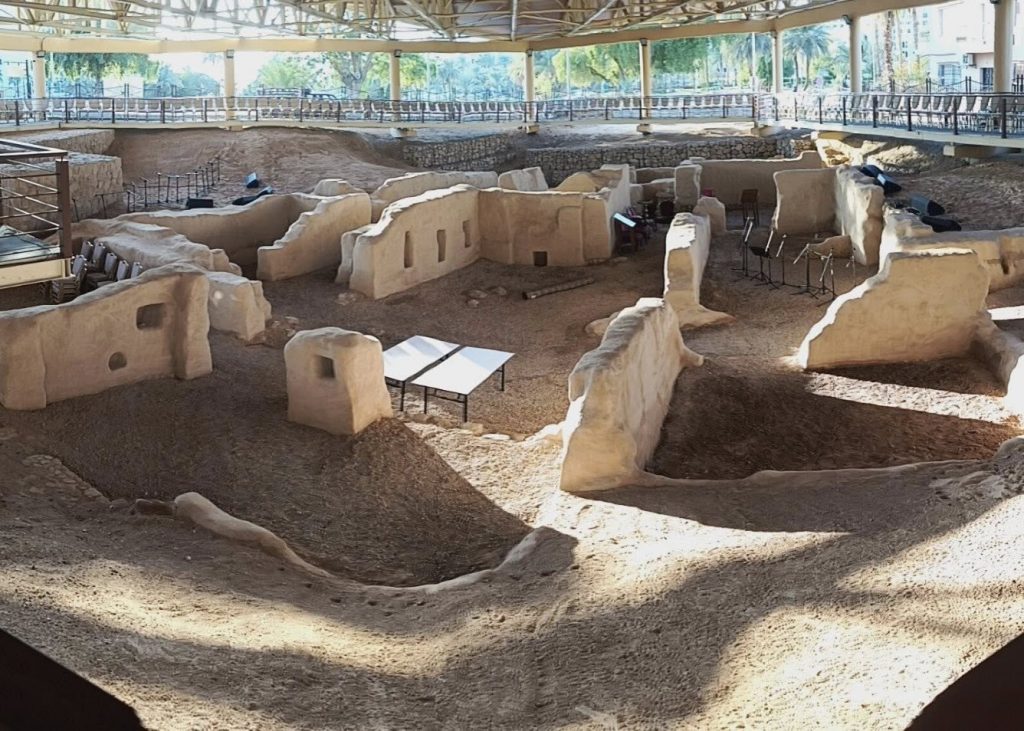
The liturgy celebrated during the ceremony was presided over by Archbishop Christoforos of Kyriakoupolis, representing the Greek Orthodox Patriarchate of Jerusalem, marking a moment of symbolic continuity. Church leaders present emphasized the meaning of returning worship to a space that once served a Christian community living decades before the Edict of Milan granted religious freedom in 313.
Discovered in 1998 by a team led by American archaeologist Thomas Parker, the church was constructed between approximately 293 and 303, during the reign of Emperor Diocletian. Unlike earlier Christian meeting places—often adapted private homes known as domus ecclesiae—the Aqaba structure was built from the ground up as a church. Its basilica-style layout, featuring a central nave, side aisles, and an east-facing apse, points to a community that was already liturgically and organizationally mature.
Archaeological finds at the site, including glass lamps, pottery, Roman coins, and nearby burial grounds linked to the same community, helped confirm its dating. Small metal fragments interpreted as parts of a bronze cross further support its Christian identity. Remarkably, the building survived periods of persecution and continued in use into the era of a Christianized empire, until natural disaster abruptly ended its function.
The Aqaba church predates iconic Christian landmarks such as the Church of the Holy Sepulchre in Jerusalem and the Basilica of the Nativity in Bethlehem. Its significance has earned it recognition in the Guinness World Records as the world’s oldest known church built specifically for Christian worship, offering rare insight into the formative decades of ecclesial life in the eastern Roman world.
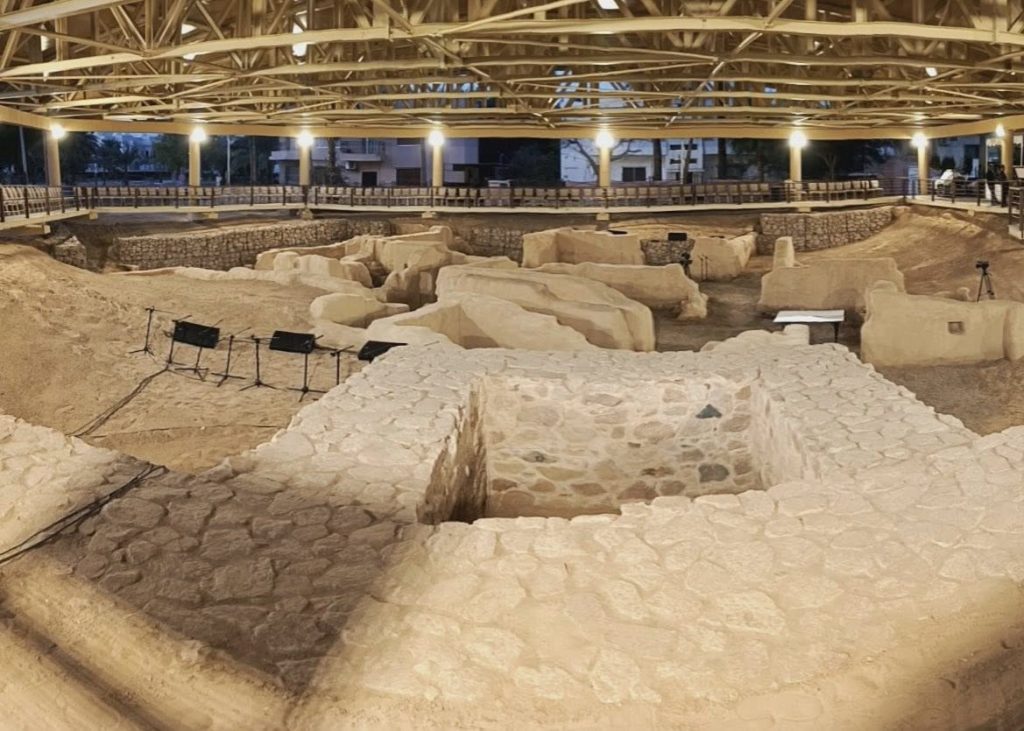
In recent years, Jordanian authorities, working with international partners, have undertaken careful conservation efforts. Mudbrick walls were stabilized, and a protective roof installed to shield the ruins from weather damage. The restored site has now been incorporated into Jordan’s broader pilgrimage and cultural tourism routes, linking biblical geography with archaeological evidence.
For Bishop Iyad Twal, vicar of the Latin Patriarchate of Jerusalem in Jordan, the reopening of the church is a reminder of the country’s long-standing role as a crossroads of faiths. Jordan, he said, continues to embody a model of coexistence, where Christian and Muslim communities share a common heritage rooted in respect and continuity.
Beyond its historical value, the church of Aqaba speaks quietly to the present. It recalls a time when Christian identity was forged without legal protection, sustained by small communities whose faith outlived empires and earthquakes alike. The site offers more than a glimpse into the past: it stands as a testament to a faith that took architectural form before it ever gained imperial favor, and that continues to find a home in these lands centuries later.
Thank you for reading our content. If you would like to receive ZENIT’s daily e-mail news, you can subscribe for free through this link.

