

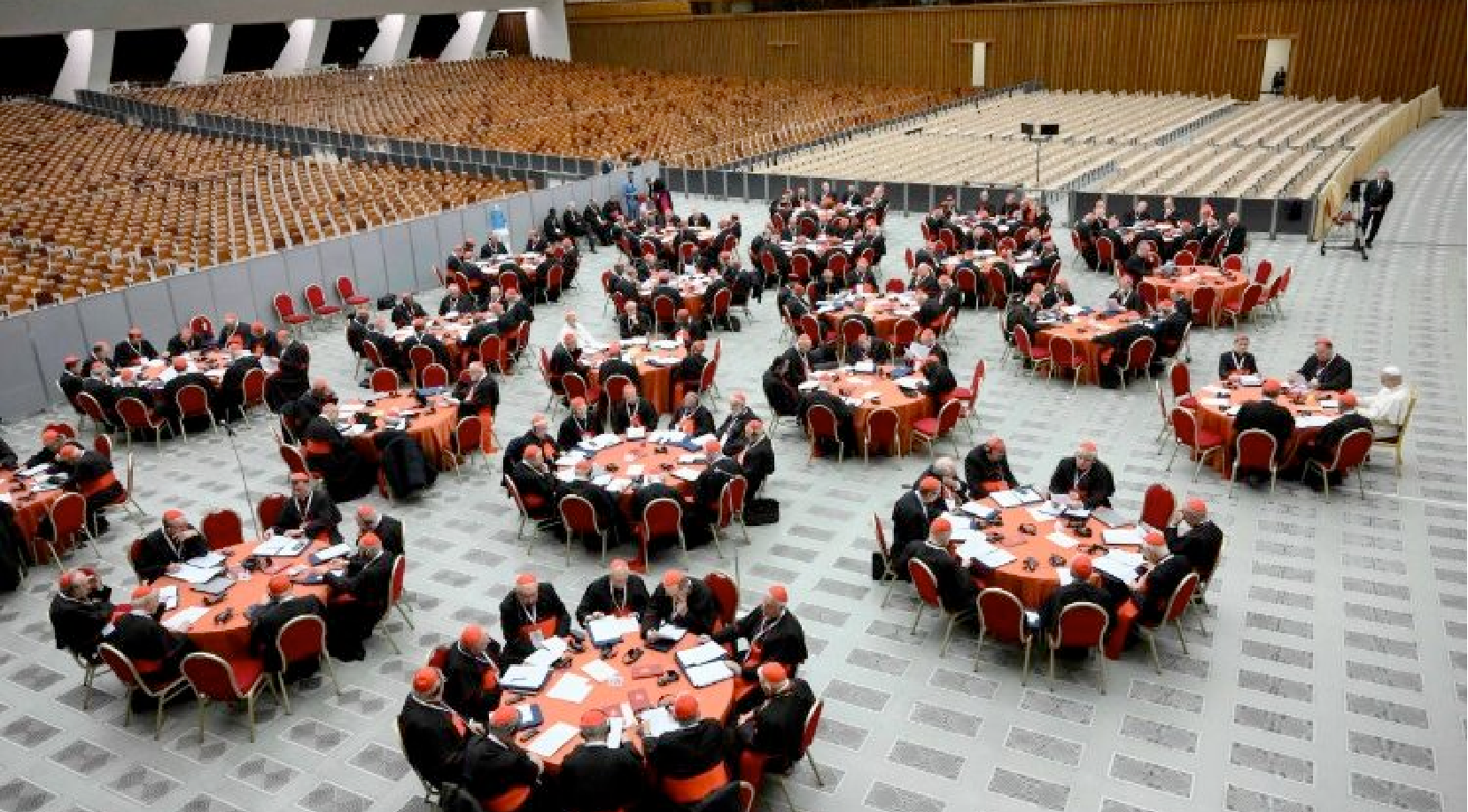
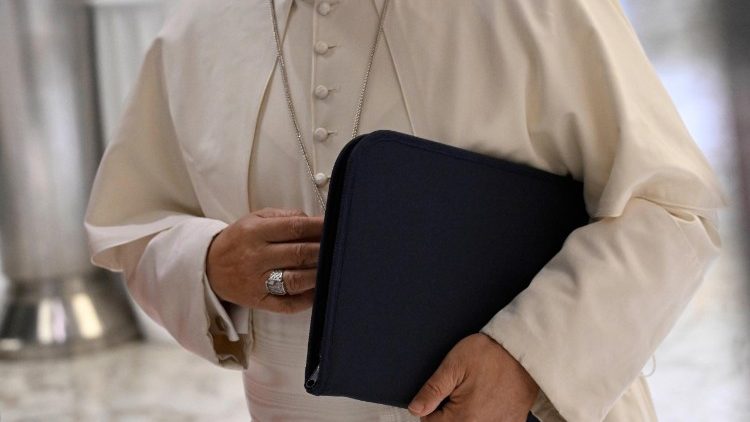
(ZENIT News / Rome, 01.08.2026).- The extraordinary consistory that concluded on the evening of Thursday, January 8, has barely receded into memory, yet Pope Leo XIV has already set the date for the next encounter. In his closing remarks at the end of the third and final afternoon session on January 8, the Pope announced that the world’s cardinals will return to the Vatican for another extraordinary consistory in June, scheduled for two days around the solemnity of Saints Peter and Paul.
The January gathering brought together 170 cardinals, both electors and non-electors, marking the first such assembly of Leo XIV’s pontificate. The June meeting, he explained, will not be an isolated event. Rather, it will form part of a broader pattern: the Pope expressed his desire to convene consistories on an annual basis, extending over three to four days. This intention, he noted, stands in continuity with what was asked of the general congregations before the conclave that elected him.
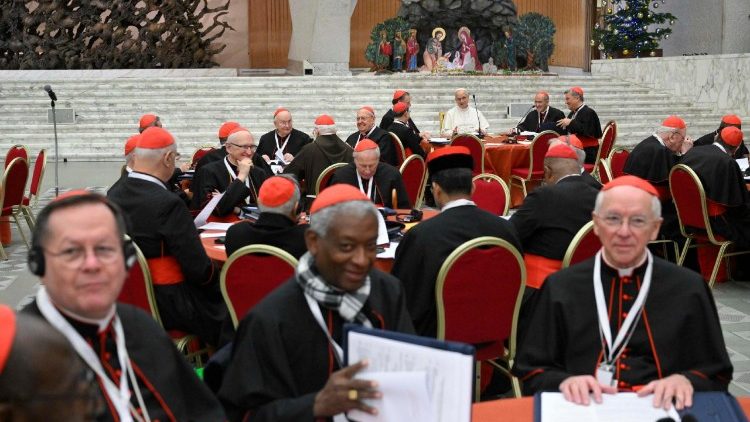
Leo XIV confirmed another key date on the Church’s horizon: the ecclesial assembly scheduled for October 2028, first announced last March. Together, these milestones sketch a pontificate intent on sustained consultation rather than episodic meetings.
Before turning to future plans, the Pope paused to acknowledge the present. He thanked the cardinals for their participation and support, offering special words of gratitude to the most elderly among them for the effort required to travel to Rome. “Your witness is precious,” he said, while also addressing those unable to attend in person: “We are with you and close to you.”
Reflecting on the two days just concluded, Leo XIV spoke of a synodality that was “not technical,” but lived. He described an atmosphere of deep harmony and communion, fostered by a methodology designed to help participants know one another better, despite the diversity of backgrounds and experiences represented. This experience, he underlined, is rooted in the Second Vatican Council, which he again identified as the foundation of the Church’s ongoing renewal. He also made a point of recalling the two themes proposed but not chosen by the assembly—liturgy and Praedicate Evangelium on the Roman Curia—stressing that both are closely connected to the Council and must not be forgotten.
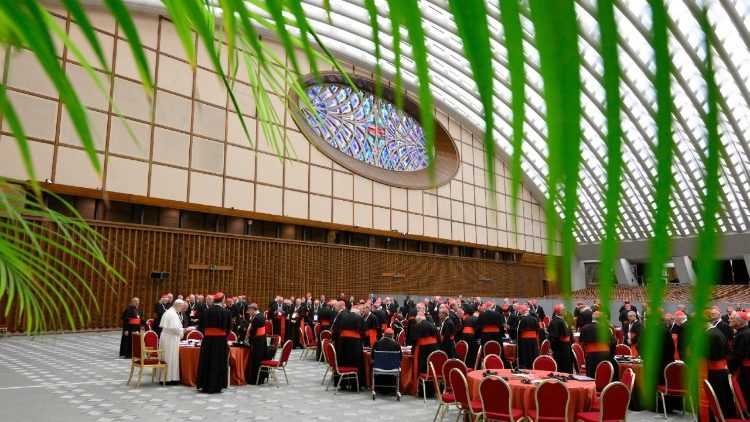
Beyond internal ecclesial questions, the Pope and the College of Cardinals repeatedly turned their attention to the state of the world. The gravity of the global situation, marked by wars and violence, was cited as making the Church’s response all the more urgent, particularly in its closeness to local Churches suffering from conflict.
It was within this wider concern that the situation in Venezuela emerged, even though synodality and mission in the light of Evangelii gaudium—approved by a majority of cardinals at the start of the first day—were the official themes of the consistory. Latin American cardinals, in particular, raised the issue. Cardinal Luis José Rueda Aparicio, archbishop of Bogotá, gave voice to these concerns during an evening press conference late on Thursday, January 8, alongside Cardinal Stephen Brislin of Johannesburg and Cardinal Pablo David, bishop of Kalookan in the Philippines.
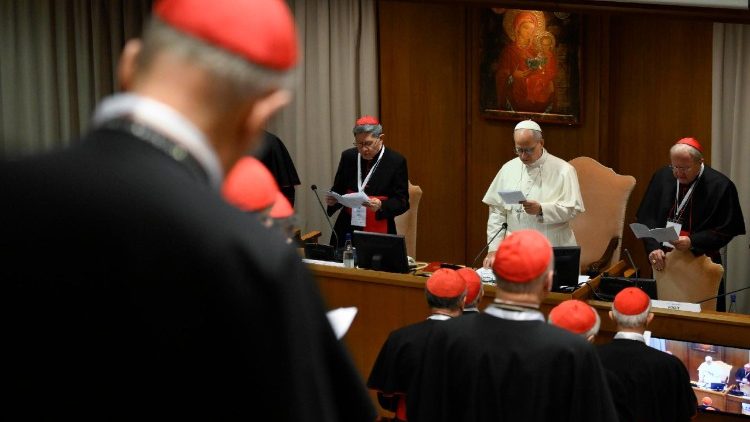
The three cardinals also outlined the general atmosphere of the sessions, which unfolded from morning to afternoon and were punctuated by moments of prayer and song. A lunch break took place in the atrium of the Paul VI Hall, where the Pope was present and personally gave each participant a medal of his pontificate. Discussion groups revisited synodality as a way of walking together, its implications for the exercise of authority, priestly formation, the work of nuncios, and the life of the Curia, with repeated calls for greater internationalization.
These reflections took place within 20 language groups: 11 composed of non-elector cardinals, and nine including elector cardinals—diocesan ordinaries and nuncios still in service—according to Matteo Bruni, director of the Holy See Press Office.
When journalists asked what was truly new, given that many of these themes had been extensively treated during the two sessions of the Synod on Synodality, Brislin suggested that novelty should not be sought solely in the content of debates. It lies, he said, in the opportunity to meet, listen, and learn from one another—especially important in a College drawn from different parts of the world, including newly created cardinals alongside those with decades of experience. The Pope, he added, wants to lead collegially, drawing on this global reservoir of experience. The result, Rueda concluded, was harmony without uniformity.
Questions also arose about whether the participation of the laity and the role of women had entered the discussions. Cardinal David responded that the Church cannot fail to recognize women’s roles and ministries. He described the question of women as a constant concern, referring to the recently published results of the commission studying the female diaconate.
As the cardinals disperse and preparations begin for June, the message from Rome is clear: for Leo XIV, the cadence of the Church’s discernment matters. January’s gathering has ended, but it has set in motion a rhythm of listening and encounter that, by design, is only just beginning.
Thank you for reading our content. If you would like to receive ZENIT’s daily e-mail news, you can subscribe for free through this link.

Publicaciones relacionadas:
 Pope Leo entrusts the important Dicastery that elects bishops to a Carmelite and canonist
 Pope Leo XIV: yes to synodality, but without undermining the authority of the bishop
 Pope Leo XIV accepts resignation of bishop whom Pope Francis appointed cardinal, but who “did not want” to receive the appointment
 Pope Leo XIV continues to reshape the Roman Curia: Meet the new Australian prefect of the Dicastery for Legislative Texts
