

(ZENIT News / Havana, 03.13.2026).- Cuba has announced the imminent release of 51 prisoners, presenting the move as a gesture made in a climate of “goodwill” and ongoing dialogue with the Holy See. The decision, disclosed on March 12 by the Cuban Ministry of Foreign Affairs, comes as Christians prepare to celebrate Holy Week and reflects once again the discreet but persistent diplomatic channel between Havana and the Vatican.
According to the official statement, the prisoners will be freed in the coming days after having served “a significant portion” of their sentences and demonstrating good conduct while in custody. The authorities did not disclose the names of those involved nor clarify whether the group includes political prisoners, an omission that has already prompted speculation among observers of the island’s internal situation.
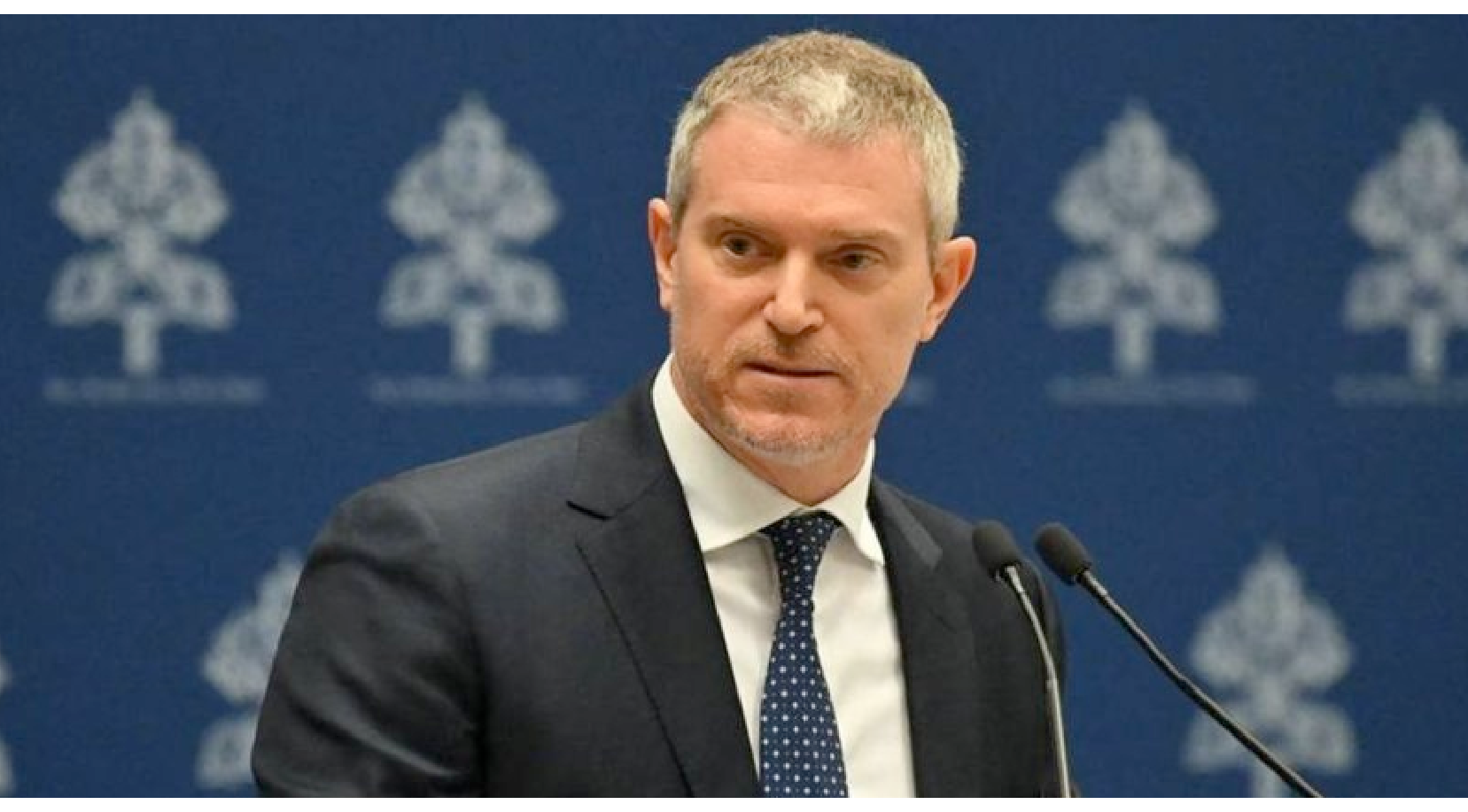
The Vatican confirmed that conversations had indeed taken place. Matteo Bruni, director of the Holy See Press Office, acknowledged that “recent discussions regarding the release of prisoners” had occurred, indicating that the initiative forms part of broader diplomatic contacts between the Cuban government and the Vatican.
A recurring pattern of humanitarian gestures
The latest announcement follows a similar initiative earlier 2025. In January 2025, Cuban authorities freed 553 detainees after a process in which Pope Francis had played a mediating role. The measure was explicitly linked to the Catholic Church’s Ordinary Jubilee of 2025, a Holy Year during which the pontiff encouraged governments around the world to consider acts of clemency toward prisoners.
At the time, Cardinal Pietro Parolin, the Vatican Secretary of State, described that release as a “sign of great hope” at the beginning of the Jubilee celebrations. The Cuban government itself indicated that Pope Francis had been informed of the decision beforehand.
The release of 51 additional detainees now appears to continue that dynamic, combining humanitarian messaging with diplomatic signaling.
Cuba’s foreign ministry emphasized that the measure reflects a long-standing practice within the country’s penal system. Since 2010, according to official figures, 9,905 inmates have been granted pardons. In addition, during the past three years alone approximately 10,000 prisoners have reportedly been released through various legal benefits provided by Cuban law.
Diplomacy behind the scenes
Although the Cuban statement framed the decision as a sovereign act, it also highlighted the “close and fluid relations” between the Cuban state and the Vatican, which have historically included dialogue over prisoner reviews and humanitarian initiatives.
The Holy See has maintained diplomatic relations with Cuba continuously since 1935, when formal ties were established during the pontificate of Pope Pius XI. At the time, Havana opened a diplomatic legation to the Apostolic See while the Vatican established an apostolic nunciature in the Cuban capital. Despite the profound political transformations that followed the Cuban Revolution, those relations have never been interrupted.
In fact, Cuba was among the earliest Latin American nations to establish diplomatic ties with the Vatican. Over the decades the relationship has proven unusually resilient, surviving ideological shifts and geopolitical tensions that might have broken similar partnerships elsewhere.
The two sides marked the 90th anniversary of diplomatic relations last year. On that occasion Archbishop Paul Richard Gallagher, the Vatican’s Secretary for Relations with States, visited the island and spoke of what he called the Holy See’s “diplomacy of hope,” a style of engagement aimed at encouraging dialogue even in complex political circumstances.
A broader geopolitical backdrop
The new prisoner release also unfolds against a delicate international context. Cuba continues to face economic hardship and mounting social pressures, while relations with the United States have entered a new phase of tension since January.
Vatican diplomacy has often operated quietly in such circumstances. In February, the head of the United States mission in Havana, Mike Hammer, met in the Vatican with Archbishop Gallagher to discuss issues related to the island. Although details of the conversation were not made public, the meeting highlighted the Holy See’s continuing role as an intermediary in conversations involving Cuba.
The Vatican has played similar roles in the past. Perhaps the most notable example occurred in 2015, when the Holy See contributed to the diplomatic rapprochement between Cuba and the United States during the presidency of Barack Obama. That episode reinforced the Vatican’s reputation as a discreet facilitator capable of maintaining channels of communication even between adversaries.
The local Church’s quiet influence
Inside Cuba itself, the Catholic Church occupies a particular position within society. Although the country remains officially socialist and the Church does not enjoy the institutional freedom found in many other nations, it continues to operate a broad network of pastoral and humanitarian services.
Through organizations such as Caritas, the Church provides assistance to vulnerable communities at a time when many Cubans face worsening living conditions. For numerous families, Catholic charitable structures represent one of the few stable support systems still functioning across the island.
This presence helps explain why Havana has often chosen to maintain dialogue with the Vatican even during periods of ideological distance.
Unanswered questions
While the release of 51 prisoners has been welcomed as a positive development, uncertainties remain. The Cuban government has not clarified whether any of the individuals to be freed were detained for political reasons, a question that international observers frequently raise when discussing human rights conditions in the country.
Nonetheless, the decision underscores the continued relevance of Vatican diplomacy in Cuba. By combining moral appeals with patient negotiation, the Holy See has repeatedly succeeded in encouraging humanitarian gestures that might otherwise have remained politically impossible.
As Holy Week approaches, the announcement therefore carries a symbolic dimension that goes beyond the fate of the individuals involved. In the language of Vatican diplomacy, even limited gestures can serve as signals that dialogue—however fragile—remains open.
Thank you for reading our content. If you would like to receive ZENIT’s daily e-mail news, you can subscribe for free through this link.

Publicaciones relacionadas:
 Cuba responds to the Pope by releasing half a thousand prisoners in the context of Jubilee 2025
 3 very interesting challenges from the Pope to politicians and rulers at a meeting at the Vatican
 Vatican questions “preventive” war in Iran as Leo XIV intensifies diplomatic calls for peace
 Lebanon requests diplomatic mediation from the Vatican to prevent Israel from attacking or displacing Catholic communities in the south of the country
