

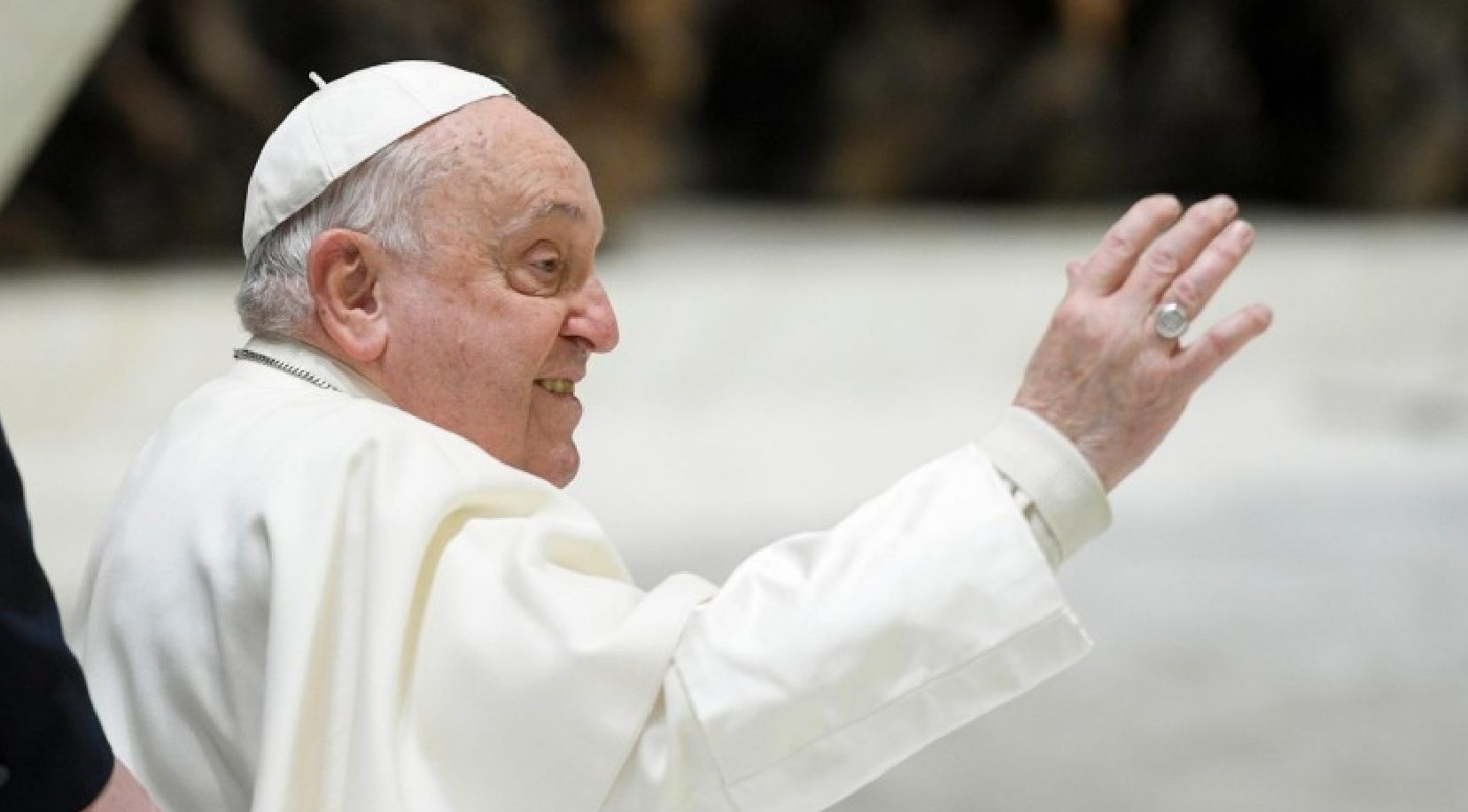
(ZENIT News / Trieste, 08.30.2025).- When Pope Francis traveled to Trieste in July 2024 to open the 50th edition of Italy’s Social Week of Catholics, few imagined the city’s central station would become the center of a security drama with international reverberations. What began with a single abandoned suitcase has since unfolded into a complex investigation stretching from Italy to the Netherlands, and raising questions about whether a terrorist cell intended to strike the pontiff himself.
The story began on July 6, 2024, the eve of Francis’ visit, when a suitcase was discovered in a bar inside Trieste’s main station. Inside lay a semi-automatic pistol, a magazine, and fourteen rounds of ammunition. Italian investigators treated the find as more than a routine criminal matter, given the pope’s imminent arrival and the global attention surrounding it.
Within hours, surveillance footage identified a man later confirmed as 46-year-old Turkish national Hasan Uzun. Cameras showed him lingering in the station, abandoning the suitcase, purchasing a new prepaid Italian SIM card with cash, and destroying his old one before boarding a train bound for Milan. His journey continued to Switzerland, where he was briefly stopped at the border due to invalid documentation, accompanied at times by an unidentified man in a light blue shirt.
The international manhunt that followed involved Italy’s anti-terror police, foreign counterparts, and Interpol. Uzun was eventually detained in the Netherlands in April 2025 and extradited to Italy in late June under a European arrest warrant. He is now being held in Trieste’s Coroneo prison under strict isolation, facing charges related to the possession and transport of firearms. His lawyer, Lucrezia Chermaz, insists that the accusations amount only to “conspiracy to carry and possess a common weapon” and that the evidence of broader terrorist intent remains unproven.
Yet behind the courtroom formalities lie competing narratives. Security services circulated a confidential note suggesting the involvement of a radical Turkish network affiliated with the so-called Islamic State and hinting at a potential assassination attempt on the pope. Italian prosecutors, however, remain cautious, emphasizing that investigations are still in the preliminary phase and that no direct operational plan against Francis has been firmly established.
The mere suspicion of a plot targeting a pope recalls past traumas, from the 1981 attempt on John Paul II’s life to the tightening of papal security in the 21st century.
Whether Uzun was a lone operator within criminal circles or part of a broader network remains the question. For Trieste, the incident underscores the vulnerability of a city often seen as a gateway between Western Europe and the Balkans. For the Vatican, it is a reminder that even moments of pastoral celebration—such as Francis’ final pastoral journeys before his death in April 2025—are shadowed by the realities of global conflict and extremist violence.
Thank you for reading our content. If you would like to receive ZENIT’s daily e-mail news, you can subscribe for free through this link.

Publicaciones relacionadas:
 After Five Days in Hospital, Pope Francis Spends His Days Working, Reading, Praying and Resting
 Pope Francis Receives in Audience the Socialist President of Brazil, Lula da Silva
 What will pass and what will remain in life: a brief reflection of Pope Francis from the Gospel
 Pope Francis sparks debate with call to investigate Gaza genocide allegations
