

(ZENIT News / Kuala Lumpur, 11.14.2025).- When Church authorities in two Southeast Asian nations issue back-to-back warnings about the same Marian shrine thousands of kilometers away, it signals more than a routine pastoral caution. It reveals a widening concern within Asia’s Catholic hierarchy over the persistence of unauthorized devotions, the spread of unregulated spiritual claims, and the pastoral confusion that often follows.
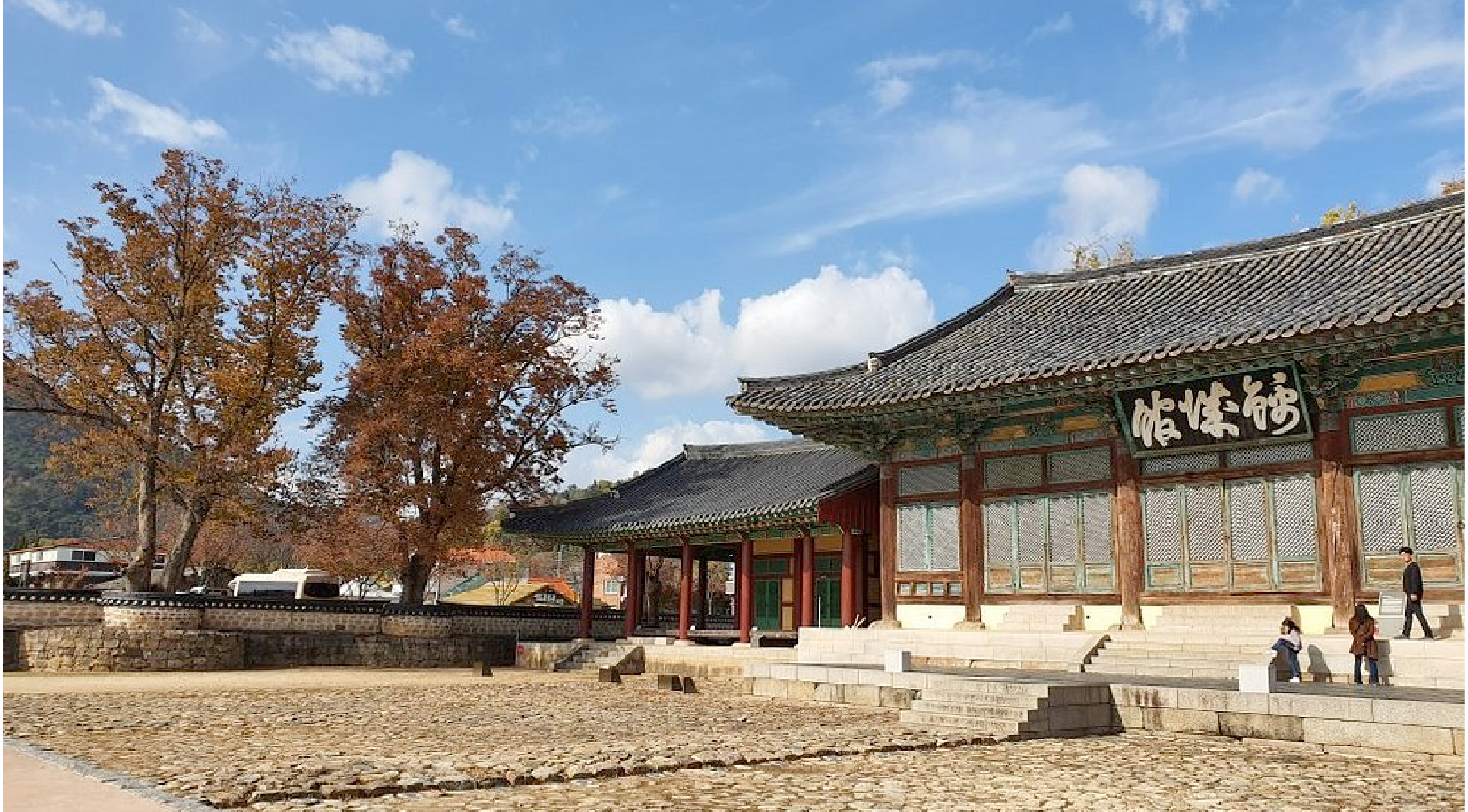
That concern now centers—once again—on the Naju shrine in South Korea, a place long associated with alleged Marian apparitions and dramatic claims of miraculous phenomena. Despite repeated ecclesiastical rulings declaring these events non-supernatural, the site continues to attract pilgrims from across the region. And some bishops have decided the moment has come to intervene firmly.
In early November, Archbishop Simon Poh of Kuching addressed inquiries he had received from Malaysian Catholics regarding organized pilgrimages to Naju. His message, published on 4 November in Today’s Catholic, was strikingly direct: the faithful are not permitted to visit the site. Poh explained that he had personally consulted former Gwangju Archbishop Hyginus Kim, who reaffirmed that the prohibition remains fully in force. Poh urged Catholics to confine their devotional travel to officially recognized churches and approved pilgrimage centers—places where spiritual practices are vetted and ecclesial oversight is secure.
The Kuching statement echoed, almost word for word, a more severe notice circulated by the Archdiocese of Singapore only days earlier. On 31 October, Singapore’s chancery warned that participation in activities at the Naju center would incur automatic excommunication. The rationale was unambiguous: the alleged visionary at the site continues her ministry “against the directives of the local Ordinary in Korea.” Singaporean Catholics who had previously gone to Naju were encouraged to cease all involvement and seek sacramental reconciliation to have the penalty lifted.
Naju’s controversies are hardly new. Since the 1980s, the shrine has been inseparable from the figure of Julia Kim, a convert from Protestantism and mother of four who reported visions of Christ and the Blessed Virgin Mary. Her claims included a statue weeping human tears and a miraculous recovery from terminal cancer—events that generated waves of devotion and intense international curiosity. As the reputation of “Our Lady of Naju” spread, Church officials in Korea launched formal investigations.
By 1998, Archbishop Victorinus Youn Kong-hi had rendered his judgment: the reported phenomena, he said, were “not of supernatural origin.” That position has been consistently upheld by the Catholic Bishops’ Conference of Korea, and no subsequent inquiry has overturned it. Nevertheless, the flow of pilgrims has not stopped.
The situation became more complicated in 2024, when the Gwangju Archdiocese warned against a former Salesian priest, Alexander Kim Dae-sik, who had been dismissed from his congregation in 2022 but allegedly continued to perform sacraments illicitly at the Naju center. The presence of unauthorized clergy, coupled with ongoing claims of extraordinary events, deepened diocesan concerns over doctrinal confusion and sacramental irregularities.
Yet devotion is persistent, especially when stories of healing and mystical phenomena cross national borders. Pilgrims from Malaysia, Singapore, the Philippines, and other Asian countries remain drawn to Naju’s promises, despite the absence of official approval and in open defiance of multiple prohibitions. This discrepancy—between the Church’s formal discernment and the powerful pull of unofficial spiritual narratives—makes Naju one of Asia’s most stubbornly resilient contested shrines.
What the recent warnings reveal is not merely anxiety about one location in Korea but a broader pastoral challenge: how to guide the faithful in an era when grassroots spiritual movements can spread instantly across continents, untethered from ecclesial oversight. For bishops like Poh, clarity is not only necessary but urgent. The Church, he insists, must ensure that devotion flows from sources that genuinely nourish communion rather than fracture it.
Where this renewed firmness will lead remains to be seen. For now, the message from Asian bishops is unmistakable: spiritual enthusiasm, however sincere, must remain rooted in the discernment of the Church. And when that discernment says “no,” the faithful are expected to listen—even when the shrine in question stands far beyond their own borders.
Thank you for reading our content. If you would like to receive ZENIT’s daily e-mail news, you can subscribe for free through this link.

Publicaciones relacionadas:
 Virgin of the migrants: the Mexican virgin (who is not Guadalupe) to become an international shrine in the Philippines
 How Many People Visited the Fatima Shrine in Portugal in 2023? Record Numbers Are Released
 Miracle at Lourdes: Church gives official recognition to miracle number 71 in the history of the sanctuary
 Vatican gives new nihil obstat to Marian apparitions in Litmanová, Slovakia
