

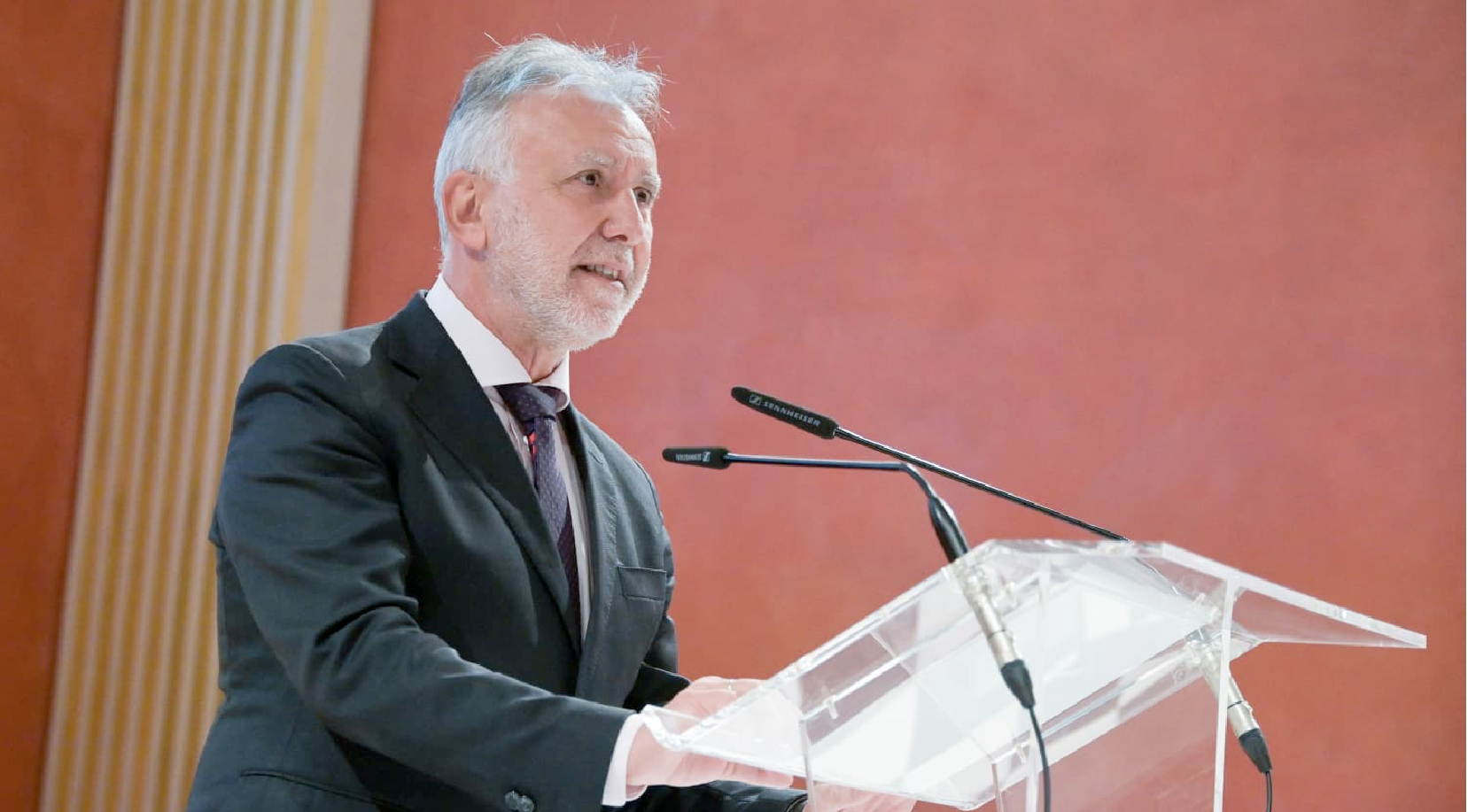
(ZENIT News / Santa Cruz de Tenerife, 10.31.2025).- Under the vaulted ceiling of an early 20th-century building once shrouded in secrecy, Spain’s Minister for Territorial Policy and Democratic Memory, Ángel Víctor Torres, cut the ribbon to reopen what was once the headquarters of the Masonic Lodge Azaña in Santa Cruz de Tenerife. The restoration, financed entirely by the Spanish government at a cost of three million euros, has transformed a decaying symbol of a forbidden brotherhood into a public heritage site—one now destined to become a Museum of Freemasonry.
What might have been a purely cultural act has instead ignited one of the oldest and most persistent tensions in Spanish public life: the uneasy intersection between national history, religion, and secular politics.
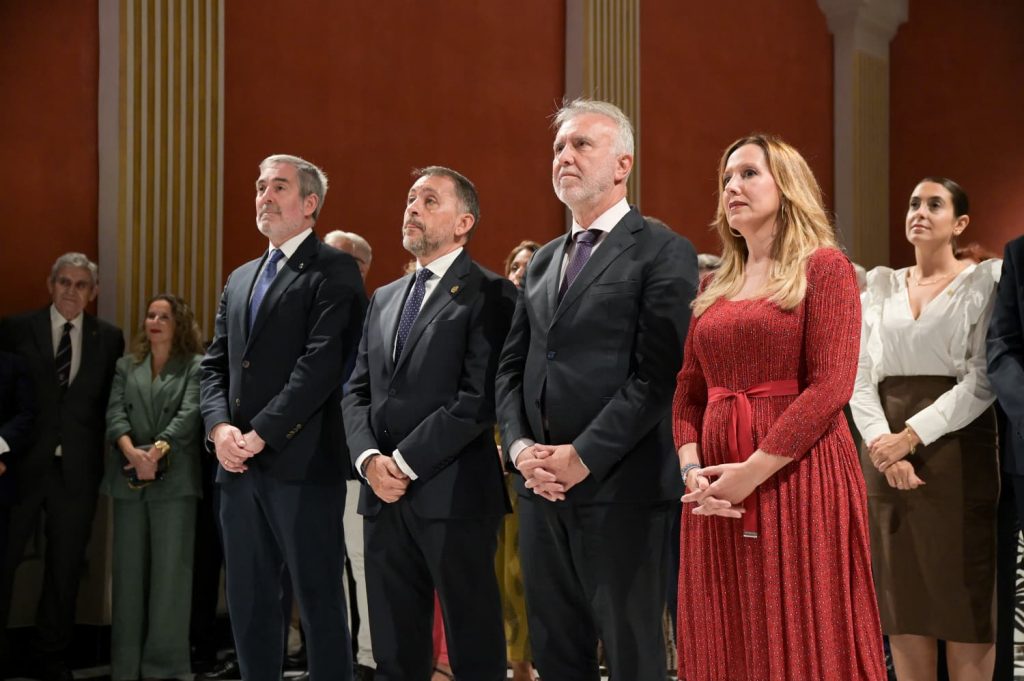
Minister Torres celebrated the project as an act of historical justice. On social media, he hailed the reopening as a recovery of “the memory of Masonry and its defense of equality, democracy, and secular education.” His words echoed the broader mission of the Ministry of Democratic Memory, which seeks to restore spaces, documents, and narratives erased or suppressed during Spain’s 20th-century dictatorships.
The temple’s own history mirrors that turbulent century. Built in the early 1900s by local Freemasons who gathered under the name Logia Azaña, the neoclassical building was seized after the Spanish Civil War and handed over to the Falange, the political arm of Franco’s regime. It later served as a military pharmacy warehouse. Abandoned for decades, it was sold to the city in 2001. Only in 2022, after long political debate, did the national government approve its restoration.
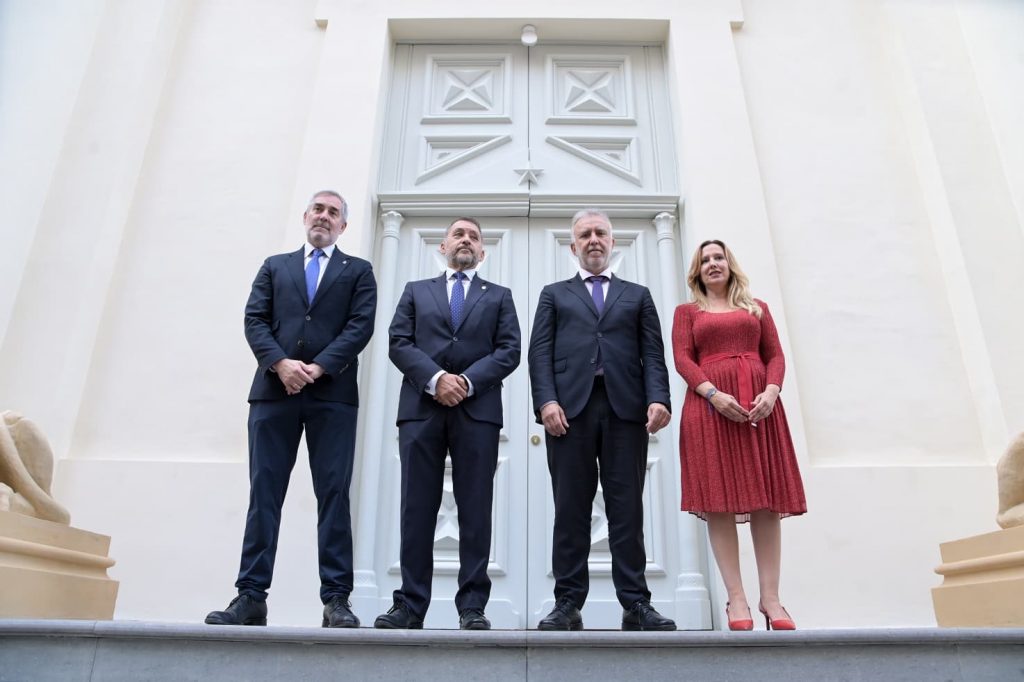
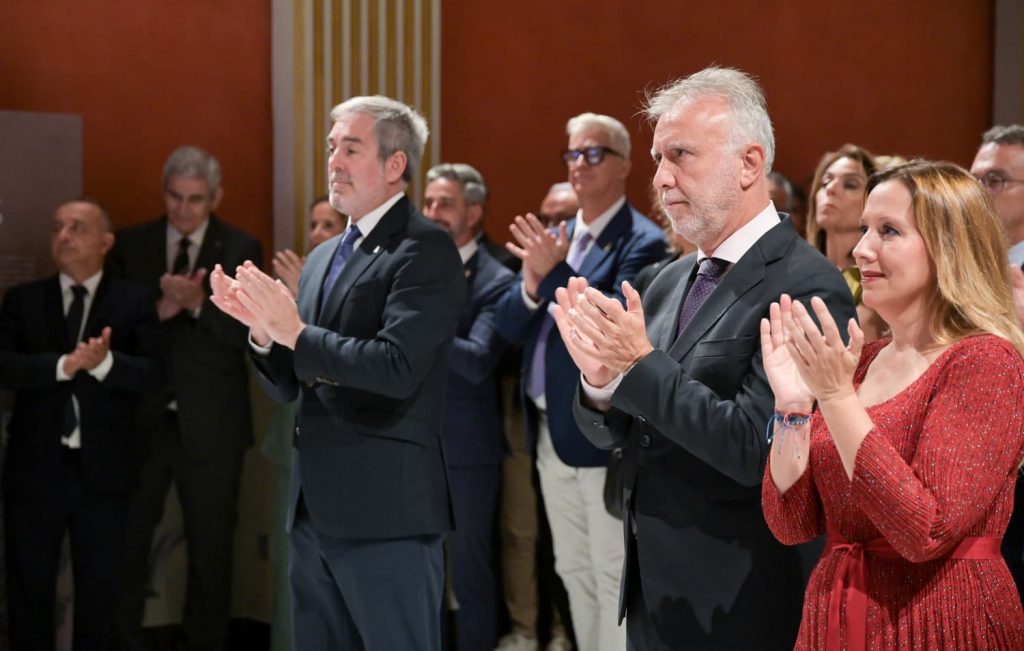
The reopening ceremony drew local and national officials, as well as representatives of Spain’s Masonic bodies. José Manuel Bermúdez, mayor of Santa Cruz, described the event as an act of civic renewal. “The city honors itself by rekindling a light that should never have gone out,” he said, calling the temple “a unique architectural and symbolic jewel in Spain, and a reference point for Masonic architecture worldwide.”
In a gesture that raised eyebrows among conservative and religious circles, Bermúdez publicly thanked Jesús Soriano, head of the Supreme Council of the 33rd Degree of the Ancient and Accepted Scottish Rite in Spain, praising the fraternity’s “values of progress and freedom of thought.”
The ceremony was not without controversy. Father Juan Manuel Góngora, a priest of the Diocese of Almería and a vocal presence on social media, sharply criticized the project. “Thank you, Minister Torres,” he wrote, “for showing so openly that the much-trumpeted secularism in Spain amounts to sponsoring a Masonic lodge with public money in a city called Santa Cruz.”
His reaction reflects a long-standing concern in Catholic circles over the Church’s doctrinal incompatibility with Freemasonry—a tension that has endured for nearly three centuries. In November 2023, the Vatican’s Dicastery for the Doctrine of the Faith reaffirmed the Church’s prohibition on membership in Masonic associations, citing their “irreconcilability with Catholic doctrine.”
Canon law still codifies this position. Canon 1374 of the 1983 Code of Canon Law states that “a person who joins an association which plots against the Church is to be punished with a just penalty,” and those who lead or promote such associations may incur an interdict. Though the current text no longer names Freemasonry explicitly, as the 1917 Code did, the Vatican’s interpretation has remained unchanged.
The island of Tenerife once hosted one of the most active Masonic communities in the country, and the temple itself—with its Egyptian-inspired columns, elaborate symbols, and imposing façade—has long fascinated historians and architects alike.
Thank you for reading our content. If you would like to receive ZENIT’s daily e-mail news, you can subscribe for free through this link.

Publicaciones relacionadas:
 Vatican to participate in Venice Biennale and its national pavilion will be as follows
 Vatican Announces the Start of Its Peace Mission in Ukraine
 White House Refers to Topics Covered Between President Biden and Cardinal Zuppi, Pope’s Envoy to the United States on Special Mission
 60th Anniversary of the Holy See’s Membership in the United Nations Organization
