

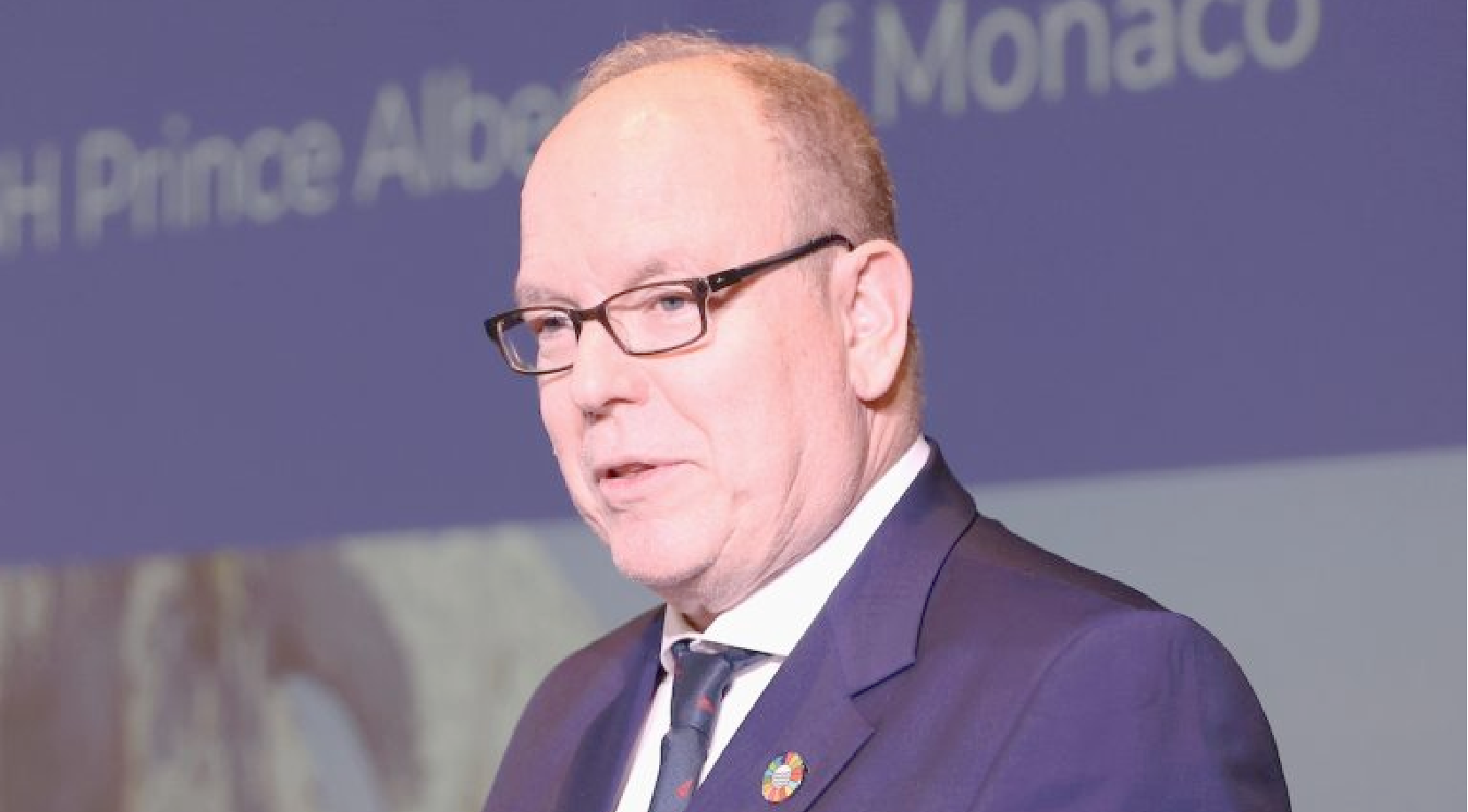
(ZENIT News / Monaco, 11.24.2025).- The debate over abortion in Monaco, often overshadowed by similar controversies in larger European nations, returned to the forefront this November when Prince Albert II announced that he would not promulgate a bill that sought to introduce the most significant liberalization of abortion laws in the principality’s modern history. His decision, delivered in a quiet but firm interview with Monaco-Matin, signaled a decisive pause in the legislative momentum that had been building since the National Council approved the proposal earlier this year.
The bill had passed with a striking majority, reflecting the perception among many legislators that Monaco was gradually aligning with the broader European trend toward expanded reproductive rights. Under the proposed framework, voluntary termination of pregnancy would have been permitted within twelve weeks, with an extension to sixteen in cases of rape. It also suggested lowering the age for parental consent from eighteen to fifteen. For supporters, it was a pragmatic update. For the prince, it crossed a threshold.
Albert II acknowledged the emotional weight of the question but framed his refusal as an act of institutional fidelity. Monaco, he reminded readers, has never been a secular state. The Catholic faith does not merely occupy an honorary place in its public life; it shapes its legal and cultural architecture. The current law, he argued, already provides a humane approach within that tradition: abortion remains illegal in principle but has been decriminalized since 2019 for women who seek the procedure abroad, primarily in France. Within Monaco itself, access is permitted only in three specific situations: rape, grave fetal anomaly, or serious danger to the mother’s life.
The prince’s intervention was not unexpected by church leaders. For months, Archbishop Dominique Marie David had been warning that the bill represented more than a legal adjustment; it marked, in his words, a “point of no return.” His lengthy pastoral letter, released in May, articulated a vision of national identity inseparable from Catholic doctrine. The principality, he wrote, lives out a confession of state that should not be reduced to a ceremonial relic but recognized as a constitutive part of Monaco’s civic DNA. His argument was civilizational: changing the moral framework surrounding life issues, he insisted, would place Monaco at odds with what has historically distinguished it from its neighbors.
Yet reactions beyond church circles were swift and sharply divergent. Women’s rights advocates lamented a choice they see as symbolic rather than practical: many Monegasque women already seek abortions abroad, and blocked reform only perpetuates dependence on external systems. Juliette Rapaire of Les Nouvelles Réformatrices captured this view bluntly, noting that the prince’s decision does not prevent women from exercising choice—it simply pushes them across the border.
Still, in a Europe where legislative maps are increasingly uniform, Monaco’s reaffirmation of its exceptionalism stands out. It does not position itself in defiance of international norms so much as in continuity with its own political philosophy, one in which the sovereign holds significant authority and the Catholic tradition remains a cornerstone of public life. Unlike in many constitutional monarchies, the prince’s veto is not a symbolic gesture; it is binding unless the National Council musters a two-thirds majority to override it—a threshold rarely met in contentious social debates. Even in that case, the sovereign retains the power to dissolve the Council, a reminder that Monaco’s equilibrium relies on a delicately maintained consensus rather than adversarial politics.
The current episode exposes the complex interplay of modern expectations, religious identity, and constitutional authority in a microstate keenly aware of its global visibility. Whether seen as principled stewardship or anachronistic resistance, Albert II’s stance has made clear that the principality intends to move with caution on questions that touch its moral foundations.
Thank you for reading our content. If you would like to receive ZENIT’s daily e-mail news, you can subscribe for free through this link.

Publicaciones relacionadas:
 Donate 5 million euros to emblematic Parisian church: and here are the reasons why
 Impressive Via Crucis and the Crucifixion of Jesus Returns to the Center of London and Is Seen by 20,000 People
 Vincent, the boy alive thanks to a miracle attributed to Cardinal George Pell
 Carmelite friar who prays the Rosary online at 4 a.m. becomes Brazil’s most-watched streamer in 2025
