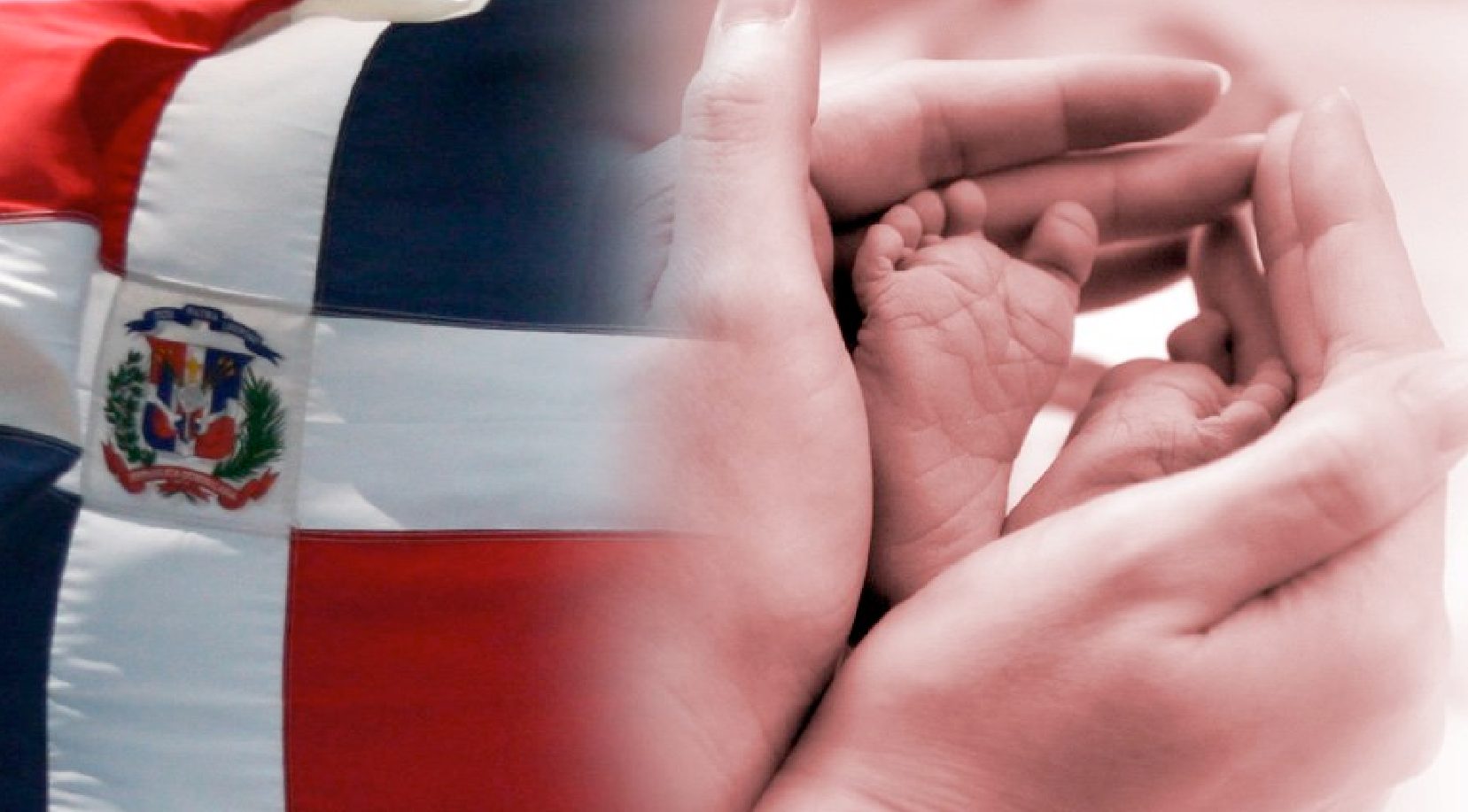
(ZENIT News / Santo Domingo, 08.13.2025).- In a decision that has sent ripples far beyond the Caribbean, the Dominican Republic has reaffirmed one of the world’s most uncompromising pro-life legal frameworks, defying decades of relentless lobbying from powerful international abortion advocates.
On July 31, 2025, the nation’s legislature delivered a decisive message: life in the Dominican Republic remains protected from conception to natural death—without exceptions. By an overwhelming vote of 159 to 4 in the Chamber of Deputies, and with only one dissenting senator the following day, lawmakers passed a sweeping new Penal Code that leaves the country’s constitutional prohibition on abortion untouched. President Luis Abinader signed the bill into law on August 3.
For years, abortion rights campaigners have sought to chip away at the nation’s protections for the unborn, most recently by inserting exceptions into the updated Penal Code. The proposal would have permitted abortion in cases of fetal anomaly, rape, incest, or when a mother’s “health” was at risk—a term whose broad interpretation in other nations has often paved the way for abortion on demand. But legislators rejected the measure decisively.
What makes the outcome extraordinary is not only the scale of the victory, but the imbalance of forces. The Dominican pro-life movement is modest in size, lean in resources, and largely ignored by mainstream media. Opposing them was a coalition of more than twenty national feminist organizations, well-financed regional networks like the Latin American Consortium Against Unsafe Abortion (CLACAI), and global advocacy groups including the International Planned Parenthood Federation, CLADEM, and the Inter-American Commission on Human Rights—each pushing for liberalization under the banner of “sexual and reproductive rights.”
“This fight has lasted decades,” said attorney Loren Montalvo of Alliance Defending Freedom in the Dominican Republic. “They tried through the Health Code, then through the Penal Code. But every attempt ran into Article 37 of our Constitution, which declares that the right to life is inviolable from conception to natural death.”
The recent campaign was backed by significant political and media pressure. International human rights bodies have repeatedly criticized the Dominican Republic’s laws, claiming they violate women’s rights under regional treaties. Yet public sentiment has consistently resisted these narratives, rooted in a deeply ingrained cultural and legal ethic that views life as non-negotiable.
Carlos Polo, head of the Latin America office of the Population Research Institute, likened the situation to a David-and-Goliath struggle. “All these groups—local, regional, and international—coordinate to push abortion in Latin America. In the Dominican Republic, they saw the Penal Code reform as their moment. They failed, but they will try again,” he warned.
The aftermath has already seen angry reactions from feminist leaders, some accusing lawmakers of endangering women’s lives. Pro-life advocates counter that abortion is never medically necessary to save a mother and that better maternal care—not abortion—protects women’s health.
In a region where several countries have loosened restrictions in recent years, the Dominican Republic stands out for its steadfastness. With a population of just 11 million, it has created a national consensus on life issues that larger nations in the Americas have struggled to achieve.
“This victory is not the end,” Montalvo stressed. “It’s proof that with perseverance, even the smallest movements can prevail against the largest campaigns.”
The message from Santo Domingo is clear: here, life is not up for negotiation.
Thank you for reading our content. If you would like to receive ZENIT’s daily e-mail news, you can subscribe for free through this link.