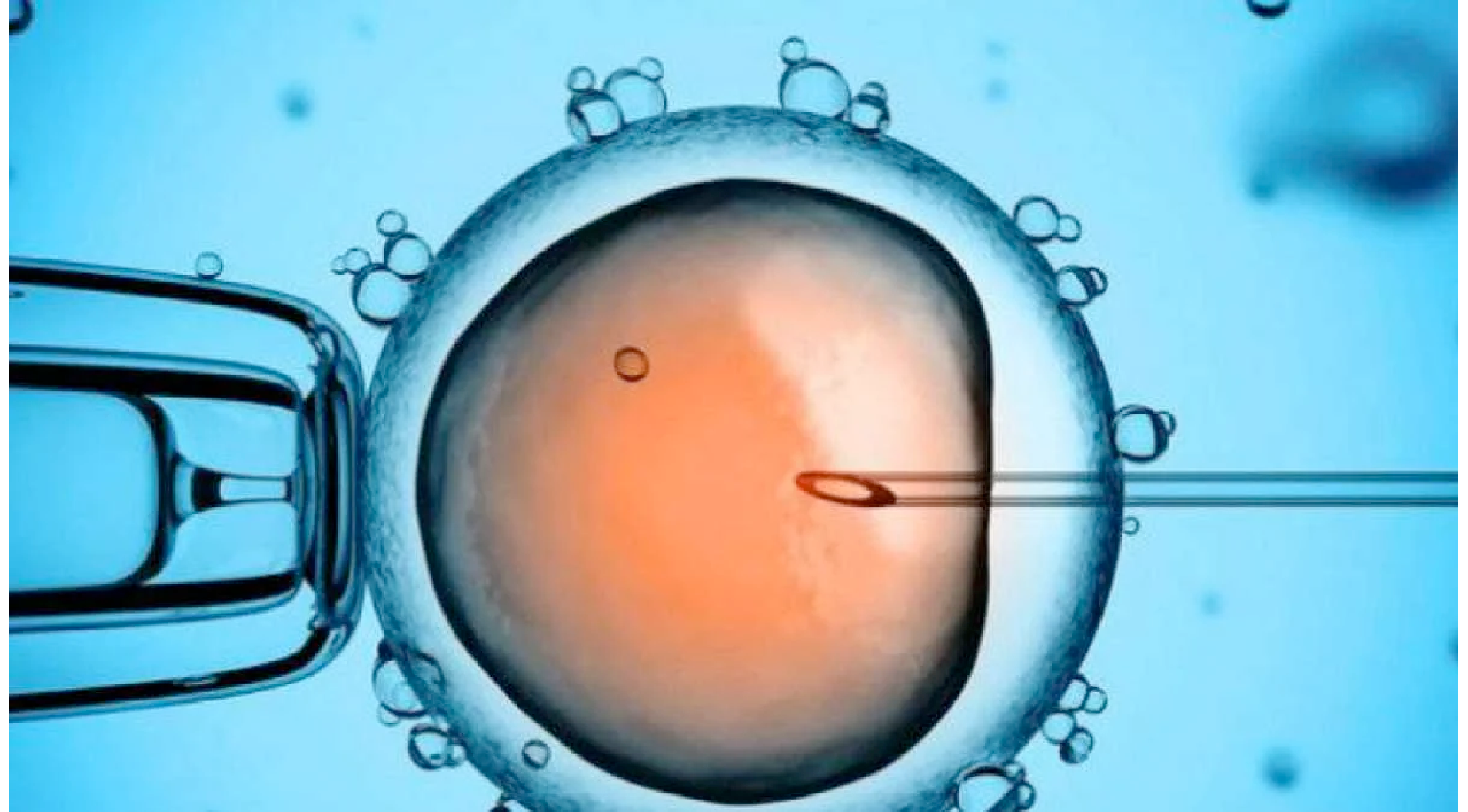
(ZENIT News / Washington, 08.15.2025).- Since the first “test-tube baby” was born in England in 1978, in vitro fertilization (IVF) has been hailed by millions as a medical miracle — a pathway to parenthood for those unable to conceive naturally. Today, more than 17 million children have entered the world through assisted reproductive technologies (ART), almost all of them via IVF. Yet alongside these celebrated births lies a darker and far less publicized reality: the staggering number of embryos lost, discarded, or deliberately destroyed in the process.
A recent academic analysis, published in the journal «Fertility and Sterility«, has brought fresh attention to this ethical fault line. It estimates that for every child born through IVF, many more embryos — each a distinct human life in the earliest stage — are eliminated. Conservative projections suggest that since 1978, the number of embryos lost directly through IVF procedures could exceed 270 million.
Part of this attrition is built into the mechanics of the method. Fertility clinics routinely generate more embryos than they intend to implant. Some are deemed “non-viable” based on genetic screening, others are frozen indefinitely and later discarded when parents decide their family is complete. Even embryos initially selected for implantation are often “reduced” if multiple pregnancies occur, a euphemism for ending one or more lives in the womb for perceived safety.
Industry professionals are forthright about this. As one fertility clinic director told «MedPage Today«, in the vast majority of cases where surplus embryos remain after treatment, patients opt for disposal. In practice, the process is far from the idealized vision of a single egg meeting a single sperm and leading to a cherished child.
From a moral standpoint, many bioethicists and religious leaders argue the distinction between discarding an embryo in a laboratory and ending a pregnancy through abortion is a false one — both involve the intentional destruction of human life. The Catholic Church, for instance, has consistently condemned IVF not only for the destruction of embryos but also for separating procreation from the marital act.
Some political figures who otherwise champion pro-life positions have sidestepped this moral consistency. Earlier this year, after the Alabama Supreme Court recognized frozen embryos as children under state law, Senators Ted Cruz and Katie Britt quickly introduced legislation to protect unrestricted access to IVF. Critics say this reflects the growing tendency to treat reproductive technology as an untouchable “right,” even when it conflicts with the principle of the dignity of life from conception.
The debate also raises practical concerns. If publicly funded IVF programs were to expand dramatically, as some proposals have suggested, the annual number of embryos destroyed could double the number of legal abortions in the United States. That possibility alarms pro-life advocates, who argue that the silent toll of IVF should evoke the same grief and urgency as abortion.
Beyond the political arena, the conversation is also about cultural awareness. IVF is now seen as routine medical care, but its human cost — measured in lives quietly extinguished before birth — remains largely hidden from public consciousness. For many couples who have welcomed children through this technology, the joy is profound and deeply personal. But for those concerned with the sanctity of life at every stage, the question lingers: can a practice that creates life while destroying so much of it ever be reconciled with a consistent ethic of life?
Thank you for reading our content. If you would like to receive ZENIT’s daily e-mail news, you can subscribe for free through this link.