

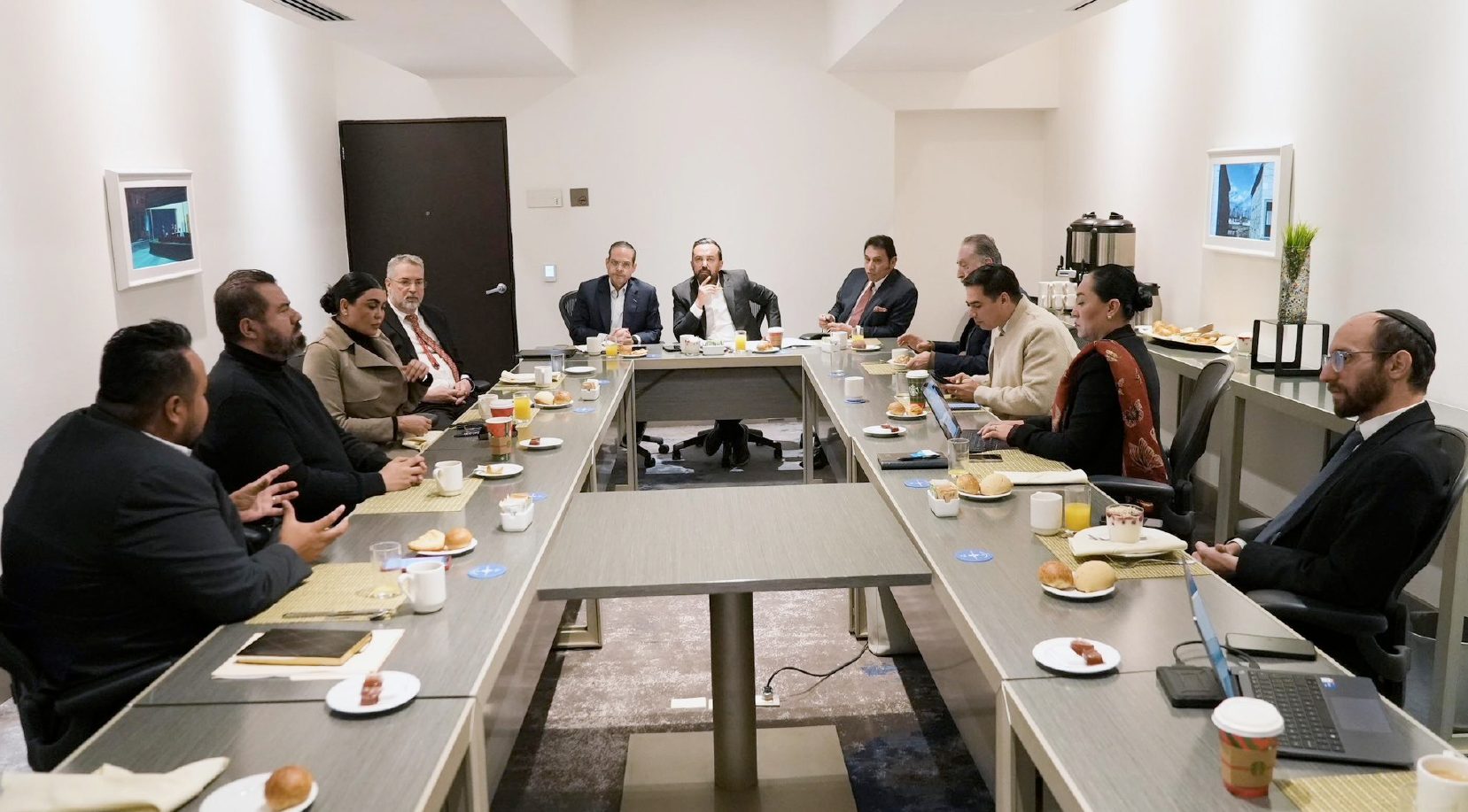
(ZENIT News / Mexico City, 11.11.2025).- Mexican legislator Arturo Ávila announced on Monday, November 10, that he was withdrawing a controversial bill that sought to impose new restrictions on priests, pastors, and other religious leaders online. The decision followed an extensive consultation with representatives from across Mexico’s diverse faith communities, including Islamic, Jewish, Mormon, and Christian organizations, as well as the Catholic hierarchy.
Ávila framed the withdrawal as a step toward “building, together with all stakeholders, a responsible and consensual regulatory framework” that addresses the challenges posed by digital communication while safeguarding religious liberty. The law in question aimed to add a third paragraph to Article 16 of the Law on Religious Associations and Public Worship, which historically barred religious institutions from owning or operating traditional media outlets such as radio and television. Ávila’s proposal would have extended these restrictions to the internet, effectively subjecting sermons, social media accounts, live-streamed homilies, and other digital expressions of faith to government oversight through the newly created Agency for Digital Transformation and Telecommunications, in coordination with the Interior Ministry.
The backlash was swift and wide-ranging. Critics warned that the bill risked turning Mexico into a nation where religious leaders could face penalties for expressing moral or social viewpoints online, echoing past eras in which ecclesiastical voices were heavily monitored and censored. Civil society organizations spearheaded signature campaigns against the measure, arguing that it threatened to chill public discourse and infringe upon the constitutional protections of freedom of religion and expression.
During Monday’s consultations, representatives of various faith communities voiced shared concern over the proposal’s potential to impose a digital ceiling on spiritual speech. They emphasized that modern religious ministry increasingly relies on online platforms to reach communities, particularly in a country where internet access allows clergy to serve remote or marginalized populations. Ávila acknowledged the validity of these concerns, noting that “the digital challenges of our times require careful, nuanced debate to strengthen the secular state while fully guaranteeing religious freedom.”
Observers see this episode as a bellwether for how Mexico will navigate the intersection of technology, governance, and faith. The initial bill reflected broader anxieties among lawmakers about regulating social media and curbing online hate speech, but its approach—singling out religious actors for special restrictions—was widely criticized as heavy-handed and constitutionally suspect. Legal analysts note that while the government may continue to explore mechanisms for moderating harmful content online, targeting religious expression specifically could provoke serious legal challenges and deepen tensions with faith communities.
For now, the immediate threat to online religious speech in Mexico has been averted, yet the debate remains far from over. Ávila’s withdrawal demonstrates the power of civic engagement and the importance of dialogue with affected stakeholders, but it also highlights the delicate balance between regulation, freedom of expression, and the protection of religious practice in the digital era.
Thank you for reading our content. If you would like to receive ZENIT’s daily e-mail news, you can subscribe for free through this link.

Publicaciones relacionadas:
 United States Restricts Visas to Chinese Officials for “Repression” of Religious and Ethnic Minorities
 USA: “Catholic” cases facing the Supreme Court that will have consequences for freedoms
 California’s Democratic government removes statue of Saint Junípero Sierra after lying about consulting the Archbishop of San Francisco
 Between Drones, Settlers and Classrooms: How Violence and Administrative Israeli Pressure Are Reshaping Palestinian Life
