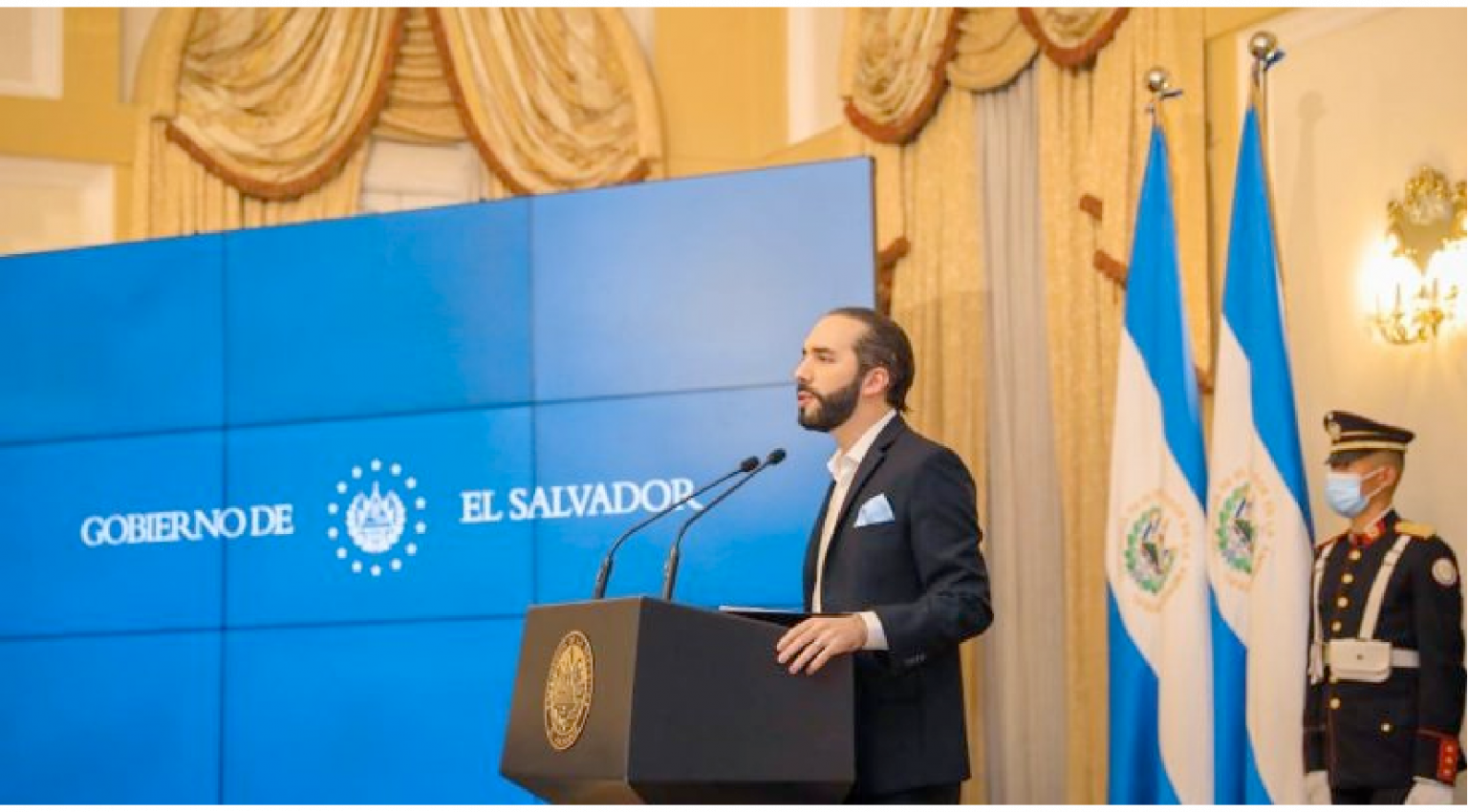
(ZENIT News / San Salvador, 08.09.2025).- San Salvador’s most emblematic feast day this year carried an unusually charged political undertone. As thousands of pilgrims converged on the capital on August 6 to honor El Salvador’s patron, the Divine Savior of the World, the Catholic Church seized the occasion to denounce sweeping constitutional changes that clear the way for unlimited presidential terms.
The celebration, which coincided with the 500th anniversary of the city’s founding, began with vibrant processions through the streets of San Salvador. A centuries-old image of Christ, robed as a Nazarene, was carried from the Basilica of the Sacred Heart of Jesus to the Metropolitan Cathedral. The final moment was a theatrical representation of the Transfiguration: the figure of Christ raised high, transformed into the Glorious Christ amid music, lights, and fireworks.
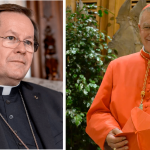
Yet the joy of the feast quickly gave way to a sobering message. In his homily, Archbishop José Luis Escobar Alas directed an unambiguous appeal to lawmakers, urging them to reconsider the recent constitutional reforms approved and ratified by a legislature dominated by President Nayib Bukele’s allies. The measures extend the presidential term from five to six years, abolish run-off elections, align all national contests to a single date, and—most controversially—remove limits on presidential re-election.
“To be legitimate, constitutional change must be born from the people,” the archbishop said, stressing that the Church’s concern stems only from a desire for the common good. He called the legislators’ action a breach of democratic responsibility, and accused them of ignoring popular consultation.
His critique extended beyond political reform. Addressing the same assembly of faithful, Escobar demanded the restoration of environmental protections scrapped earlier this year, including the law that once banned metallic mining. He argued that dismantling such safeguards endangered public health, ecosystems, and the nation’s long-term welfare.
Turning to international concerns, the prelate appealed to the United States to end the detention and deportation practices that target undocumented Salvadoran migrants. “They are noble, hardworking people who have contributed greatly to our country,” he said, urging respect for their dignity and human rights.
Escobar also linked the migration crisis to persistent poverty, describing it as the product of “economic policies that have failed to address the urgent needs of the majority.” He warned that until these root causes are tackled, the exodus of Salvadorans in search of a better life will continue.
In closing, the archbishop invited the faithful to pray that the Divine Savior might “transfigure” not only hearts but the nation itself, so that El Salvador might live in harmony with God’s will. It was a spiritual petition woven tightly with a political one, underscoring the Church’s willingness to confront the country’s leaders on a day traditionally reserved for celebration.
Thank you for reading our content. If you would like to receive ZENIT’s daily e-mail news, you can subscribe for free through this link.