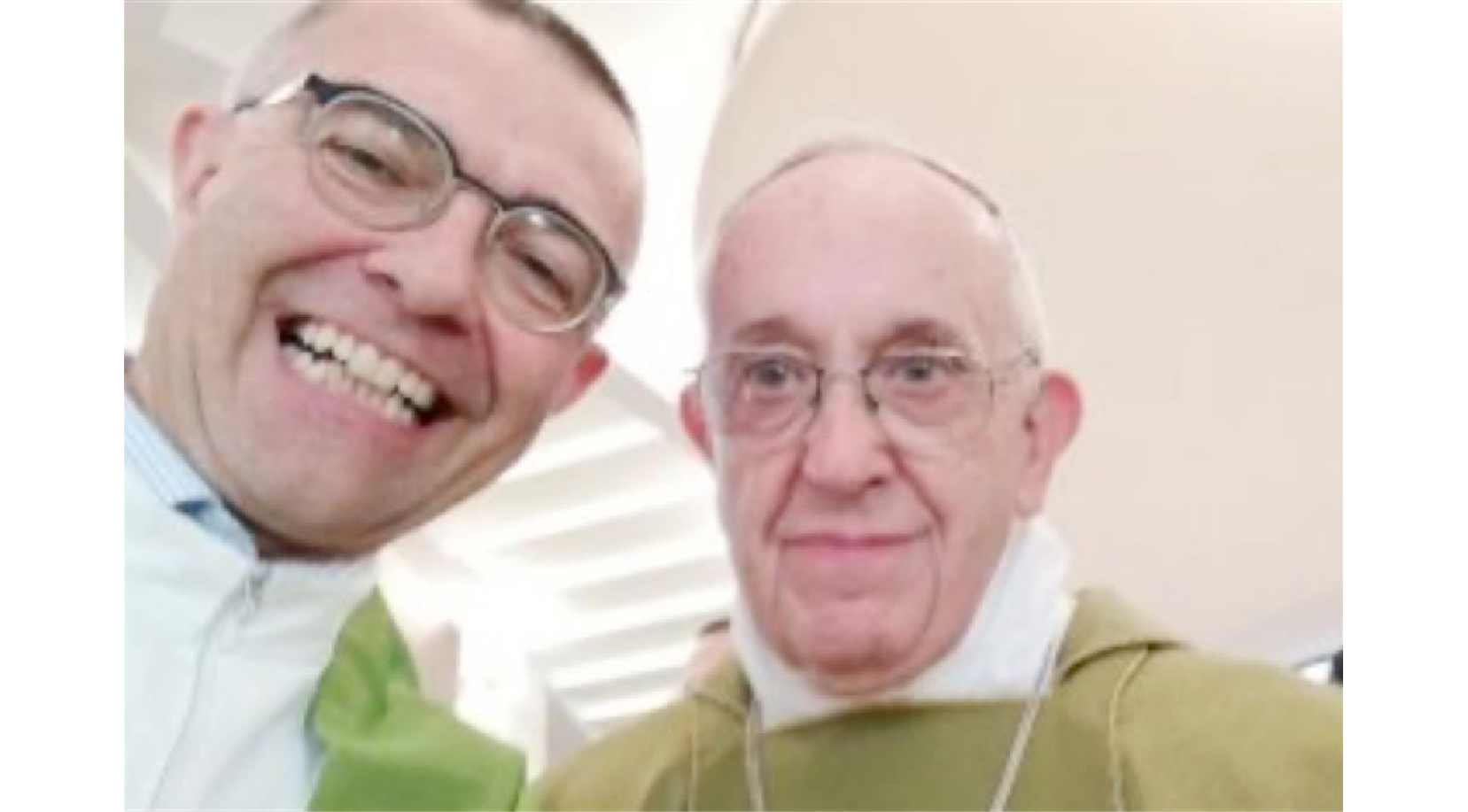
(ZENIT News / Rome, 08.14.2025).- An Italian priest known for his commitment to peace and human rights has been expelled from Israel after being detained overnight at Tel Aviv’s Ben Gurion Airport.
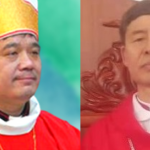
Father Nandino Capovilla, parish priest in Mestre and a leading figure in the Catholic peace movement Pax Christi, arrived in Israel as part of a delegation from Italy led by the organisation’s president, Bishop Giovanni Ricchiuti. The group’s purpose was to foster dialogue and solidarity amid the prolonged war in Gaza.
The visit never began for Father Capovilla. Upon arrival, Israeli authorities detained him and transferred him to a holding facility. By the next morning, August 12, he was on the first available flight back to Italy.
According to an expulsion order reviewed by ZENIT, the decision was justified on unspecified grounds of “national security.” The document stated that the priest would be removed “as soon as possible” and, until then, held in a designated location. The order can be challenged in Israel’s Court of Appeal, but returning to the Holy Land in the future would require prior approval “subject to the circumstances at the time.”
For decades, Capovilla has been a visible advocate for nonviolence, siding with the marginalised and speaking out against war. Since the outbreak of the current Gaza conflict nearly two years ago, he has repeatedly condemned attacks on civilians and the mounting humanitarian disaster. His work — public statements, interfaith encounters, and grassroots campaigns — has consistently called for an end to hostilities and for renewed efforts toward reconciliation between Israelis and Palestinians.
Israeli officials did not elaborate on how such activity might endanger national security. Yet the move reflects a tightening climate in which religious leaders, activists, and aid workers critical of military operations find their access restricted.
Bishop Ricchiuti, still in Israel, has been following the case closely. He described Capovilla’s removal as “deeply regrettable” and a setback to the very principles Pax Christi seeks to uphold: mutual understanding and the peaceful resolution of conflicts.
The expulsion underscores the increasingly narrow space for voices that challenge the prevailing narrative of the war. For Capovilla, the incident may mark a pause rather than an end to his presence in the region. Those who know him say his commitment to the people of both Israel and Palestine — rooted in faith and a moral duty to defend the dignity of every person — is unlikely to waver.
Thank you for reading our content. If you would like to receive ZENIT’s daily e-mail news, you can subscribe for free through this link.