

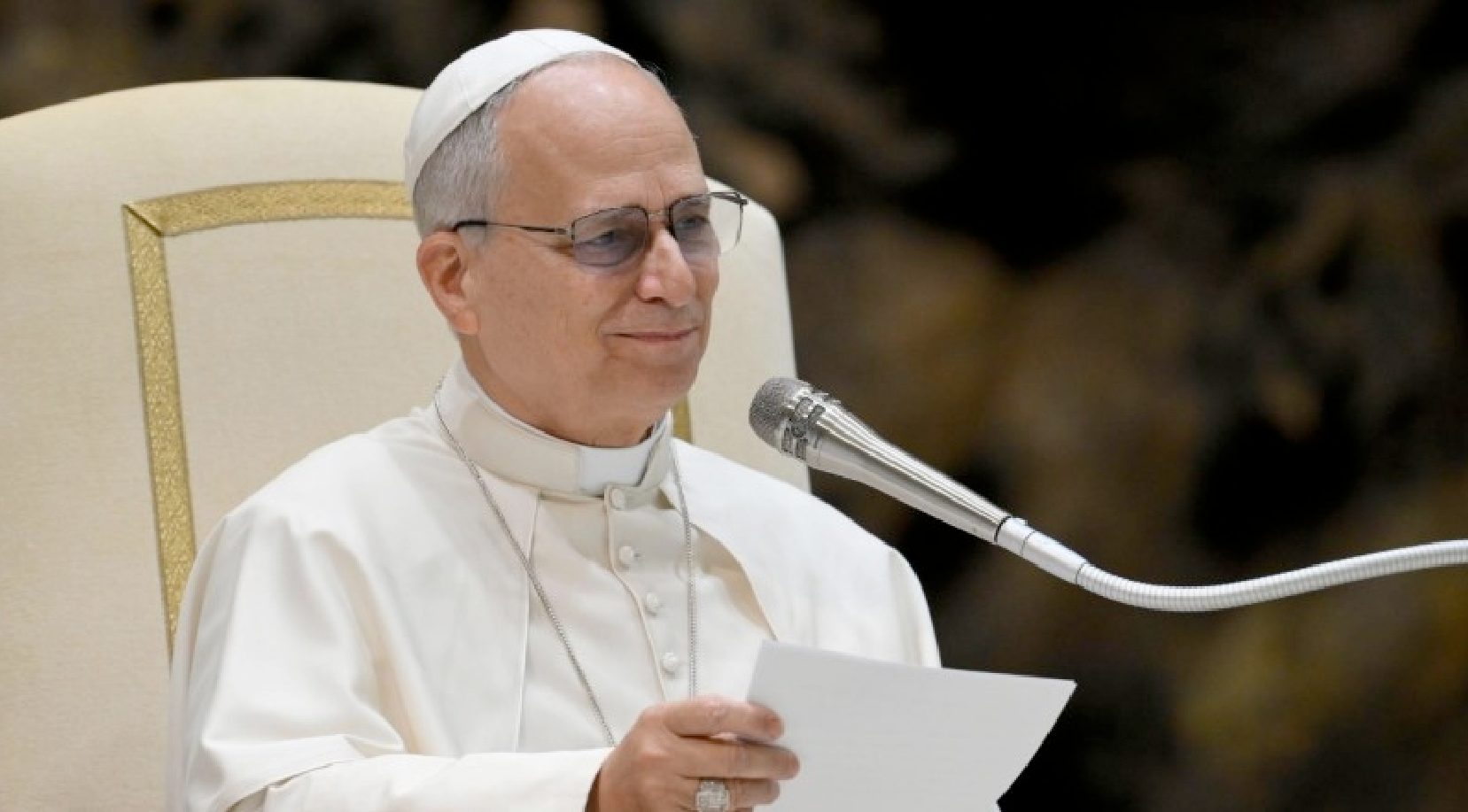
(ZENIT News / Rome, 02.04. 2026). – The year 2026 is shaping up to be an intense one in Leo XIV’s pontificate. At 70, the Pope, born in Chicago but deeply marked by his long life in Peru, is preparing to embark on two major pastoral journeys: one to South America — with special attention to his «second homeland» — and another to Africa, a continent to which he now wishes to return as Successor of Peter.
Peru, A Long-Awaited Return
The confirmation came from Lima. Foreign Minister Hugo de Zela announced on February 1 that the Pope had accepted the official invitation from the transitional government headed by José Jerí to visit Peru in 2026. Although the exact date is still pending, both the Peruvian government and the Episcopal Conference agree that the trip would take place in the second half of the year, probably between October and November, once the electoral cycle culminating in the general elections of April 2026 has concluded.
«The important thing is that he’s coming, not to which government receives him,» De Zela emphasized, recalling that Leo XIV will arrive as Head of Vatican State and as Spiritual Leader. Expectations are high: the Pope not only lived in the country for more than twenty years, but he was also Bishop of Chiclayo and a member — and even Vice President — of the Peruvian Episcopal Conference. His connection is so deep that many already call him «the Peruvian Pope.»
That mutual affection was once again evident on January 31, when Leo XIV inaugurated a Marian mosaic and an image of Saint Rose of Lima in the Vatican Gardens, both donated by Peru. «It renews the deep bonds of faith and friendship that unite us,» the Pope affirmed during the ceremony, accompanied by Ambassador Jorge Ponce Sandoval and all the Peruvian Bishops who were in Rome for their ad Limina visit (January 26-31).
The relaxed atmosphere of that day — including an informal lunch of pisco sours and ravioli a la huancaina — reinforced the impression that the Pope feels especially comfortable among Peruvians. His personal secretary and his cook, both from Chiclayo, are a daily reminder of that closeness.Africa: The Other Great Destination of the Year
But Peru won’t be the only significant stop. The Vatican is also working on what will be Leo XIV’s first African visit as Pope. Although there is still no official schedule, two countries have already publicly confirmed their inclusion: Angola and Equatorial Guinea.
On January 13, the Nuncio to Angola, Archbishop Kryspin Dubiel, announced that the Pope had accepted the invitation from President João Lourenço. It would be the first papal visit to the country since 2009, when Benedict XVI travelled there. A few days later, the Episcopal Conference of Equatorial Guinea reported that President Theodore Obiang Nguema Mbasogo had given the green light to preparations to receive the Pontiff. The last — and only — papal visit to the country was that of John Paul II on February 18, 1982, which explains the local enthusiasm for what has been described as «a historic occasion.»
The Vatican is also considering possible stops in Cameroon and Algeria. In Cameroon, the political situation following the controversial October 2025 elections and the violence in the Anglophone regions are generating reservations in some sectors. In Algeria, however, the Pope has expressed a personal desire to visit sites linked to St. Augustine of Hippo, a key figure in Augustinian spirituality, the Order to which he belongs.
Before being elected Pope, Robert Francis Prevost travelled extensively throughout the African continent, visiting Kenya, Tanzania, Algeria, Nigeria, South Africa, and the Democratic Republic of Congo, which adds a biographical element to his pastoral interests.
A Pope on the Move
If the plans materialize, Leo XIV could undertake two major tours in 2026: one in Africa — possibly after Easter — and another in South America, where, in addition to Peru, he has mentioned his desire to visit Argentina and Uruguay in 2026 or 2027. Argentina, in particular, has been waiting for a papal visit for years, following Francis’s absence from his native country throughout his pontificate.
With these journeys, Leo XIV seems determined to imprint his personal stamp on his mission: closeness, listening, and presence in regions where the Church faces profound challenges, but also a vitality he knows firsthand.
2026, therefore, is shaping up to be a year in which the Pope will once again walk through lands that marked his life and vocation, and where many hope to receive him not only as leader of the Church, but as an old friend returning home.

Publicaciones relacionadas:
 How can Christ’s resurrection cure the sickness of sadness? Pope Leo XIV answers
 This is how Pope Leo XIV’s first “synodal meeting” went: this is what he was asked and what he answered
 3 educational challenges according to Pope Leo XIV
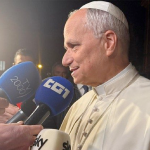 This is what Pope Leo XIV said about Rupnik, the situation in Venezuela, and the religious freedom rights of migrants in the USA
