

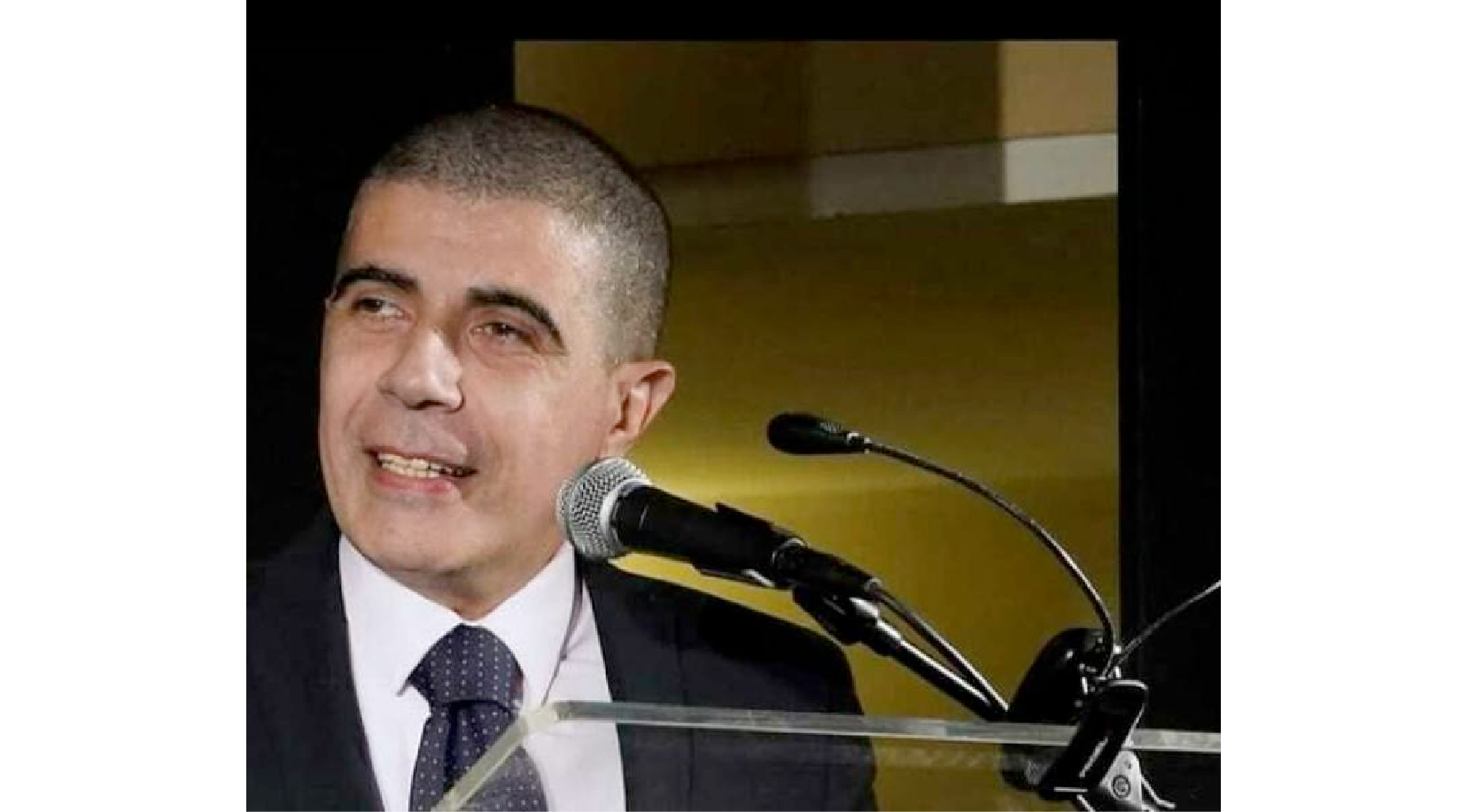
(ZENIT News / Vatican City, 10.31.2025).- In an uncommon public verdict that underscores the Vatican’s growing determination to defend its integrity in the face of scandal, the Tribunal of the Vatican City State has found Italian historian and journalist Nicola Giampaolo guilty of defamation. The sentence, announced on October 30, imposes a prison term of three years and six months, a temporary ban from holding public office, and financial compensation totaling €50,000 to the aggrieved parties.
Giampaolo, who once served as the postulator—a key figure overseeing the investigation of sanctity—in the beatification cause of former Italian Prime Minister Aldo Moro, was accused of falsely claiming that Vatican officials had solicited bribes to accelerate Moro’s canonization process. His allegations were made during an investigative segment of «Report», a program on Italy’s public broadcaster RAI, sparking immediate outrage and denials from the Holy See.
After a lengthy legal process, the Vatican tribunal concluded that Giampaolo’s statements were “false and defamatory,” constituting criminal calumny against three parties: Father Bogusław Turek, undersecretary of the Dicastery for the Causes of Saints; Cardinal Angelo Becciu; and the Dicastery itself, represented by its prefect, Cardinal Marcello Semeraro.
Under the sentence, Giampaolo must pay €20,000 to Father Turek and €15,000 each to Cardinal Becciu and the Dicastery, in addition to covering all court costs. The Vatican, whose judicial system operates independently of Italy’s, emphasized that the ruling reaffirms its commitment to protecting reputations and ensuring justice within its jurisdiction.
The Dicastery for the Causes of Saints, which supervises the Church’s complex processes of beatification and canonization, reacted swiftly to the judgment, describing it as a “necessary act of justice.” It also noted that Giampaolo had been formally removed from his post in April 2018, months before the period during which he claimed the alleged bribery attempt took place. “The supposed solicitation of money could not have been made to Mr. Giampaolo in June 2018,” the Dicastery stated at the time, “as he no longer served as postulator.”
The case offers a revealing glimpse into the seldom-seen workings of Vatican justice. The Vatican City State, though only 44 hectares in size, maintains a full judicial apparatus, with its own penal code—based largely on Italian law as it stood in 1929, the year of the Lateran Treaty that established Vatican sovereignty.
The court is presided over by a panel of three judges appointed directly by the Pope. The Promoter of Justice, roughly equivalent to a public prosecutor, represents the state in criminal cases. Convictions can be appealed first to the Vatican Court of Appeals and ultimately to the Supreme Court, which is presided over by the Prefect of the Apostolic Signatura—the Church’s highest judicial authority after the Pope himself.
Vatican trials, while rare, have become more visible in recent years as the Holy See has sought to strengthen transparency and accountability. From the «Vatileaks» affair in 2012 to the ongoing financial corruption cases, the microstate’s judiciary has increasingly stepped into the international spotlight.
For Giampaolo, a scholar from Italy’s Apulia region with a background in journalism and Church history, the ruling marks a dramatic fall from grace. His claims once drew public curiosity, given Aldo Moro’s tragic legacy as a devout Catholic statesman and victim of terrorism. Yet the Vatican court found no evidence supporting his allegations, framing them instead as a serious violation of truth and reputation.
As of now, Giampaolo has issued no public statement and has not indicated whether he intends to appeal. If unchallenged, the ruling will stand as the final word from Vatican justice on the matter.
Beyond its legal implications, the case carries symbolic weight. It reaffirms the Vatican’s insistence that accusations of corruption in the sainthood process—long the target of speculation and myth—will not be tolerated without evidence.
Thank you for reading our content. If you would like to receive ZENIT’s daily e-mail news, you can subscribe for free through this link.

Publicaciones relacionadas:
 Vatican to German Bishops: The Risk of “Reforms of the Church and Not in the Church”
 Jesuit Resigns from Vatican Secretariat for the Economy and Is Succeeded by a Spanish Layman
 Vatican: Advent of An Observatory for Marian Apparitions and Mystical Phenomena Related to the Virgin Mary
 Seven Items Are Revealed About the Forthcoming Synod on Synodality
