

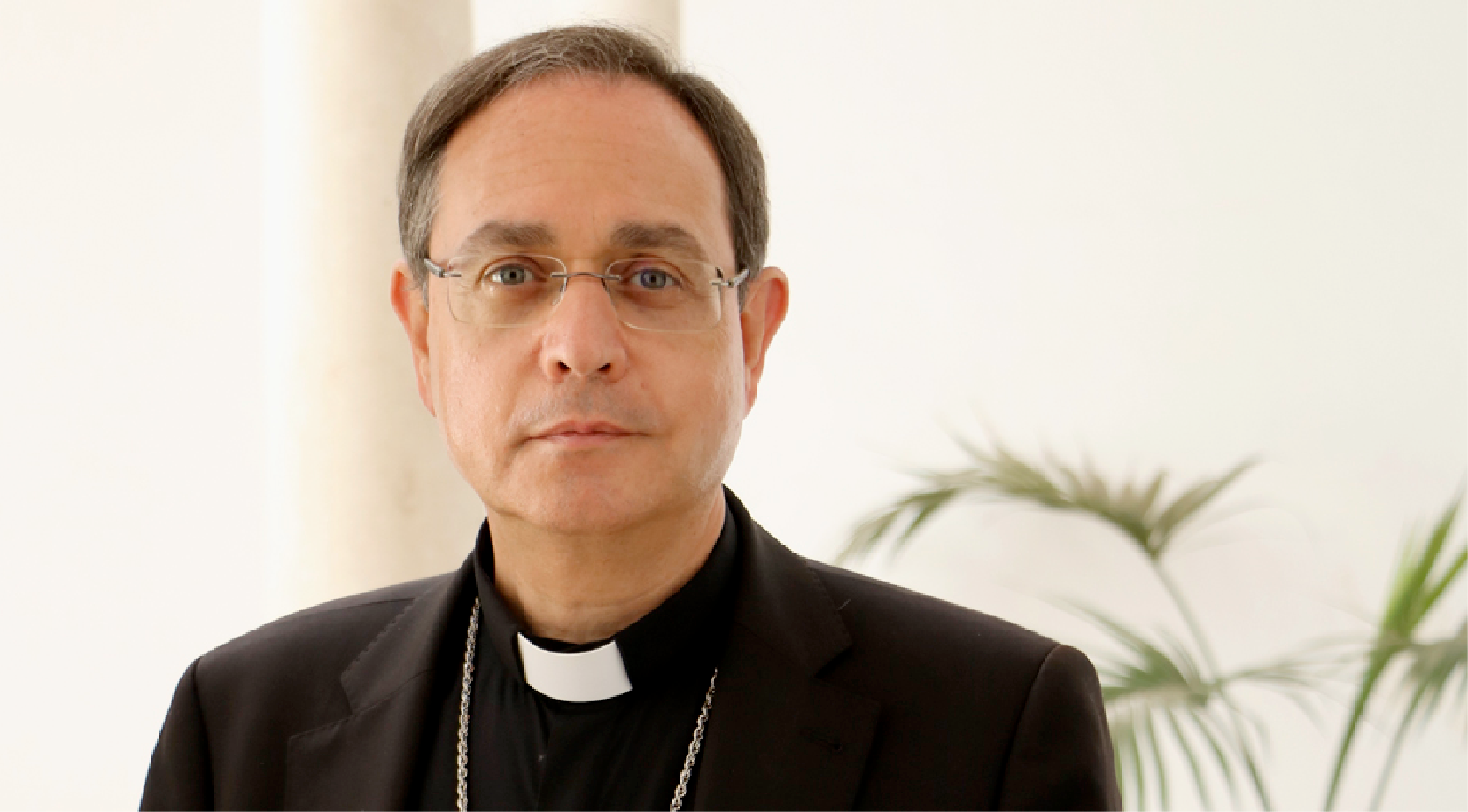
(ZENIT News / Sevilla, 07.19.2025).- A troubling case of digital deception has rattled the Archdiocese of Seville, where one of the city’s many religious brotherhoods fell victim to a sophisticated scam involving the cloned voice of a Catholic bishop. The fraudulent scheme, which used audio technology to mimic the voice of Auxiliary Bishop Teodoro León, was designed to extract money under the guise of charity.
The alarm was raised by Father Marcelino Manzano, diocesan delegate for Brotherhoods and Confraternities, who issued a cautionary note to the leadership of the more than 700 brotherhoods operating under the Archdiocese. His urgent communication aimed to halt the scam from spreading further and to encourage vigilance across the ecclesial network.
The fraudulent call reportedly targeted one of Seville’s confraternities, with the caller convincingly impersonating Bishop León and requesting a monetary contribution via Bizum, a popular instant mobile payment platform in Spain. While the exact amount defrauded has not been disclosed, the incident marks a concerning milestone: the first confirmed case of such technological impersonation within the Seville Archdiocese.
Although similar scams have surfaced in other Spanish dioceses in recent months, Seville had, until now, managed to avoid becoming a target. The growing ease with which artificial intelligence tools can replicate human speech has opened a dangerous door for scammers, especially those aiming to exploit the trust and spiritual authority associated with religious leaders.
In his warning to the confraternities, Manzano was direct: “Some criminals are attempting to deceive brotherhoods, priests, parishes, and convents by imitating the voice of bishops and asking for money. Please be cautious. Verify everything before responding to any such request. If in doubt, contact me directly or speak with the diocesan administration.”
The call for prudence has taken on new urgency as AI-driven fraud continues to evolve, catching institutions off guard—particularly those grounded in trust and personal relationships, such as religious communities. The incident has prompted discussions within the Archdiocese about enhancing internal protocols for financial requests and verifying identities, especially in a digital age where voices, emails, and even video images can be fabricated with unsettling accuracy.
While the Church traditionally operates on face-to-face trust, the new digital landscape has made it clear that old forms of discernment are no longer sufficient. The Seville case may become a test case for how religious institutions in Europe adapt to these new technological threats, balancing faith with cybersecurity.
The Archdiocese has not yet commented on whether legal action has been initiated or if the perpetrators are known.
Thank you for reading our content. If you would like to receive ZENIT’s daily e-mail news, you can subscribe for free through this link.

Publicaciones relacionadas:
 Cardinal Marc Ouellet and Women’s Congregation Are Convicted in France for “Unjustified Dismissal” of a Nun
 After An Investigation, Vatican Discards Anonymous Accusation of Abuse Against Cardinal Gerald Lacroix
 Chinese Communist government takes advantage of Pope’s death to unilaterally impose new bishops
 After just four months as bishop of Detroit, the new bishop dismisses three beloved professors from the local seminary
