

(ZENIT News / Caracas, 10.24.2025).- The canonization of José Gregorio Hernández and Carmen Rendiles, Venezuela’s first saints, should have been a moment of national pride and unity—a rare occasion when faith might transcend politics. Instead, the days following their elevation to sainthood have exposed the raw nerves of a country where even sanctity cannot escape the shadow of authoritarian power.
On October 19, Pope Leo XIV proclaimed the two Venezuelans saints of the Catholic Church in a ceremony that drew pilgrims and clergy from across Latin America. Hernández, known for his life of service to the poor, and Rendiles, a nun remembered for her humility and devotion, embody virtues that resonate deeply with a nation mired in hardship. Yet their canonization has become the latest stage for Venezuela’s bitter struggle between Church and State.
A massive thanksgiving Mass planned in Caracas for October 25 was abruptly canceled by the Archdiocese of Caracas. Officially, Church authorities cited overcrowding and security concerns—the stadium chosen for the celebration could not safely accommodate the more than 80,000 faithful expected to attend. But insiders tell another story.
According to multiple sources close to the archdiocese, the decision came after the regime of Nicolás Maduro attempted to co-opt the event. Government organizers allegedly planned to fill the stadium with party loyalists bussed in from around the country, turning the liturgy into a political spectacle of support for the president. Faced with that prospect, Church leaders pulled the plug.
In its public statement, the archdiocese announced that instead of one grand “Festival of Holiness,” the faithful would celebrate Mass in every parish of Caracas. Behind that pastoral language lay a firm decision: to keep the canonizations free from manipulation by a regime increasingly at odds with the nation’s bishops.
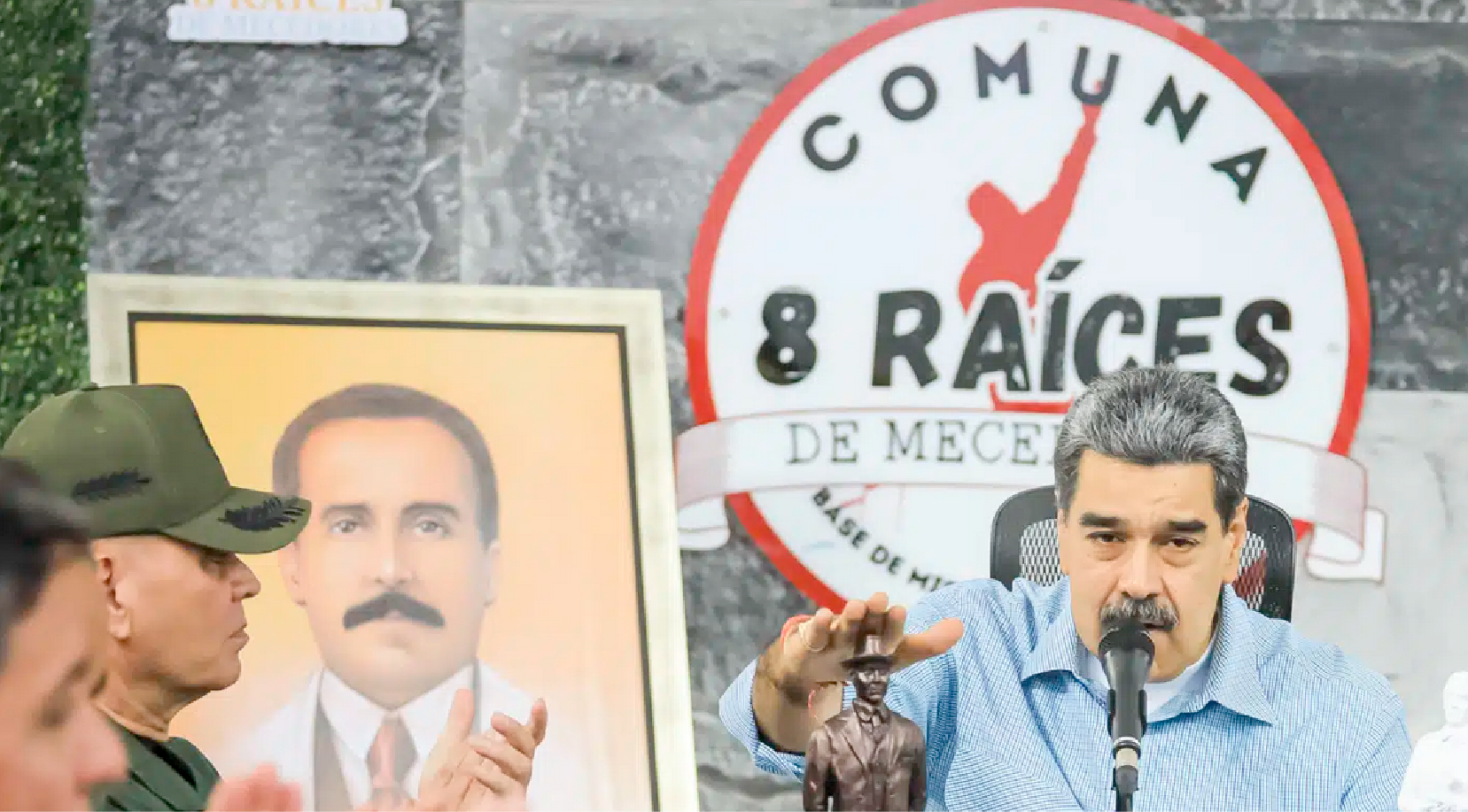
The tension burst into the open when Maduro, speaking on national television, accused Cardinal Baltazar Porras, the retired archbishop of Caracas and one of the most respected figures in the Venezuelan Church, of conspiring to block Hernández’s path to sainthood. “Baltazar Porras dedicated his life to preventing José Gregorio’s canonization,” the president claimed, “but he was defeated by God and by the people.” The charge was baseless, but it revealed the government’s deep irritation at a Church that refuses to be silent.
For years, the Venezuelan bishops have been among the few remaining institutions willing to confront the regime’s abuses. Days before the canonization, they released a pastoral letter calling for the release of more than 800 political prisoners and condemning the “moral degradation” of the country. At a conference in Rome, Porras denounced “a militarized government that incites violence, the erosion of civil liberties, and a corruption that has become systemic.”
During the thanksgiving Mass in St. Peter’s Basilica on October 20, Cardinal Pietro Parolin, the Vatican’s Secretary of State—and himself a former nuncio to Venezuela—spoke with rare bluntness. Without naming Maduro, he urged Venezuela’s leaders “to open unjust prisons, to break the chains of oppression, and to set the oppressed free.” Sitting in the front pews were members of the official Venezuelan delegation.
Meanwhile, tensions reached Rome. At a Vatican press event, Venezuelan journalist Edgar Beltrán was physically assaulted by Ricardo Cisneros, a businessman aligned with the Maduro government, after questioning a senior Vatican official about the politicization of the canonizations. The altercation, witnessed by reporters, symbolized the same aggression that clergy and journalists face back home.
Maduro, facing accusations of electoral fraud, international sanctions, and criminal indictments for narcotrafficking, has long sought to use symbols of national pride—especially religious ones—to bolster his legitimacy. The government’s participation in the canonization ceremonies, including an earlier trip to Rome where officials tried to stage photo opportunities suggesting papal endorsement, was part of that strategy. Vatican officials, however, kept their distance.
The canonization of Hernández and Rendiles could have been a unifying event for a country in pain. Instead, it revealed the moral chasm separating the Church’s vision of human dignity from the regime’s hunger for control. Hernández, who treated the sick for free and lived a life of quiet holiness, has become a mirror for the nation: a reminder of what Venezuela once was—and what it still longs to be.
Thank you for reading our content. If you would like to receive ZENIT’s daily e-mail news, you can subscribe for free through this link.

Publicaciones relacionadas:
 India: joy at opening of canonization of martyrs killed by Hindus in 2008
 Burkina Faso: Jihadist terror escalates with murder of two children and expulsion of Christians
 Organizational Leadership: Marian University Launches Innovative Online Doctorate Program
 Vincent, the boy alive thanks to a miracle attributed to Cardinal George Pell
