

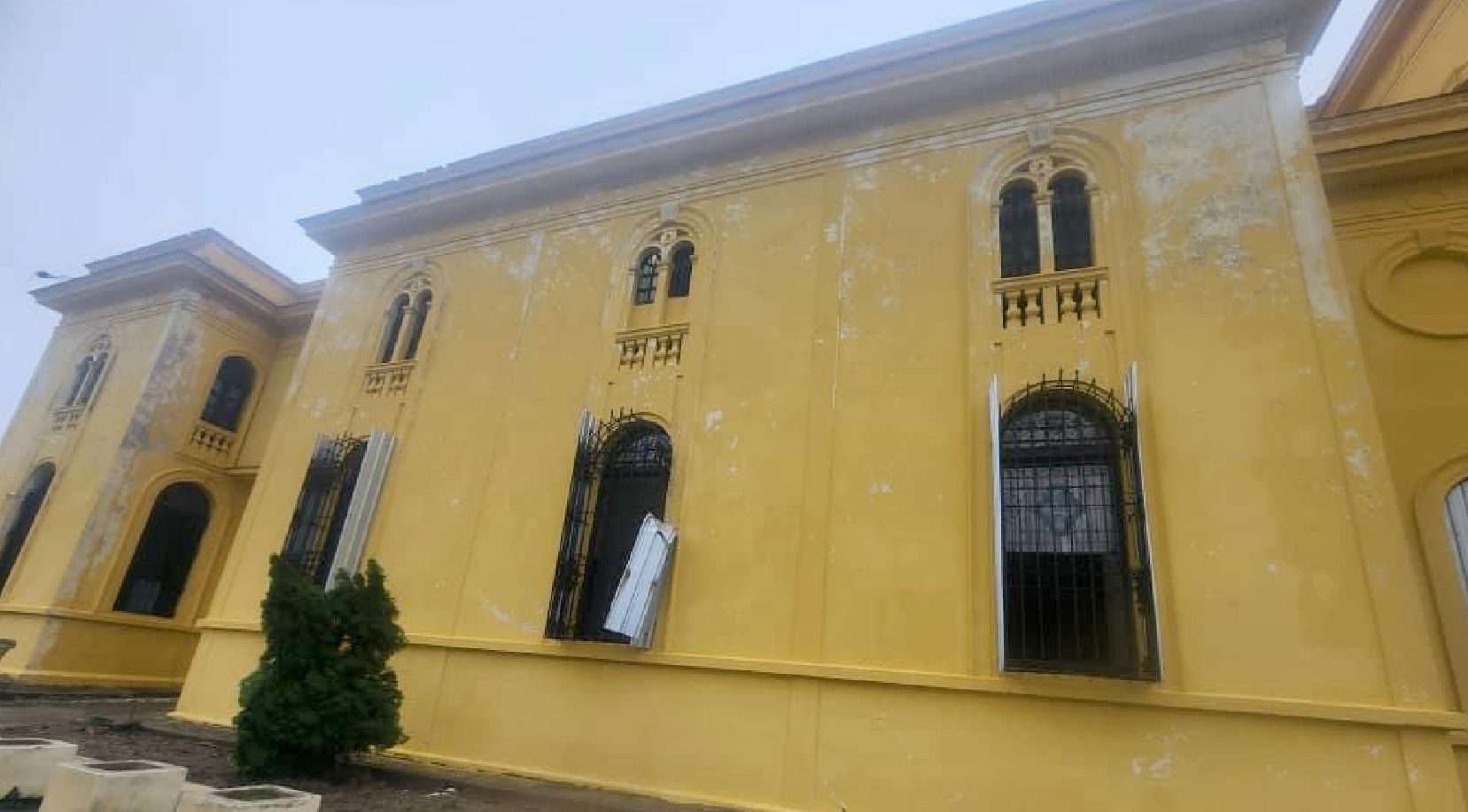
(ZENIT News / La Habana, 11.01.2025).- The Basilica of Our Lady of Charity of El Cobre, Cuba’s most cherished sanctuary and a national symbol of hope and unity, now bears deep wounds from the Hurricane Melissa ferocity.
Perched in the foothills of the Sierra Maestra, twenty kilometers west of Santiago de Cuba, the sanctuary has stood for generations as the nation’s “spiritual home.” But this time, even its storied resilience was no match for Melissa’s 195-kilometer-per-hour winds and relentless rain.
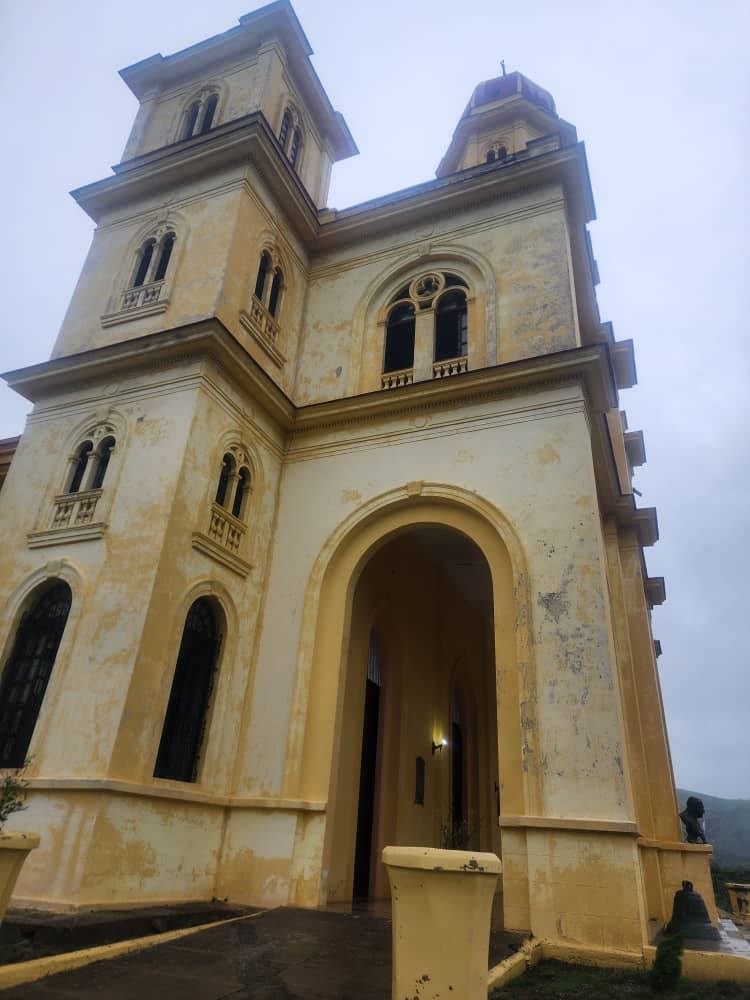
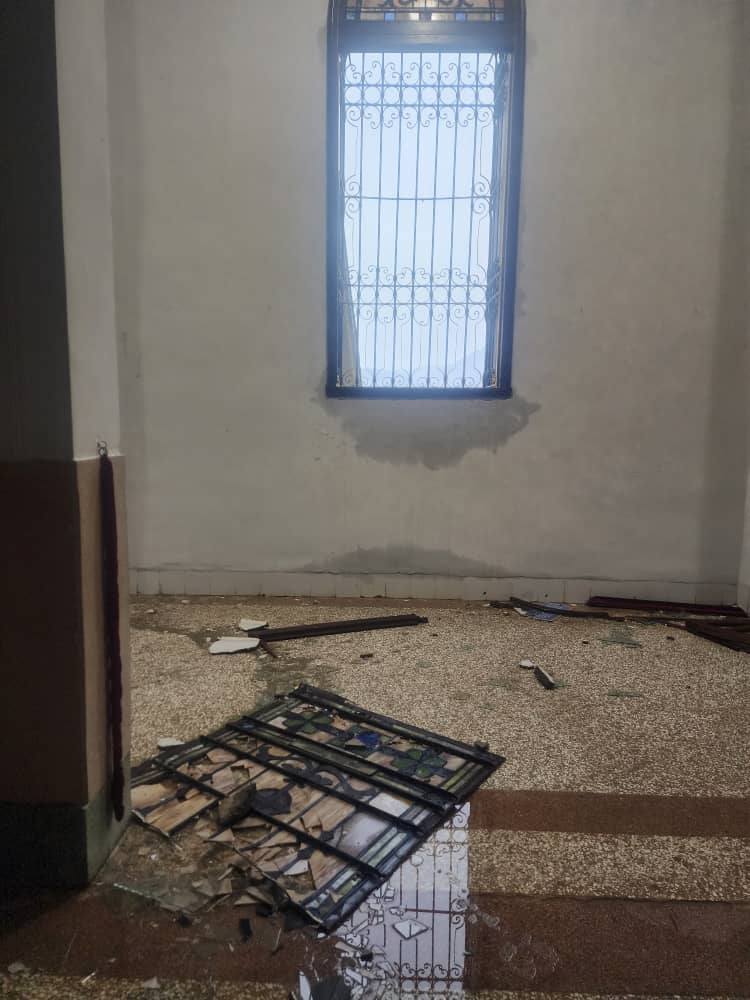
“The walls trembled, the air howled, and the sanctuary seemed to breathe in anguish,” said Father Rogelio Dean, the rector of the basilica. “We had never witnessed anything like this. The damage is extensive—vitrals shattered, rain pouring into the church, and parts of the masonry literally torn from the walls.”
In the wake of the hurricane, the once radiant façade of El Cobre is marred by broken glass and debris. Parishioners who sought shelter within the church returned to find the sacred space wounded but still standing—a fragile image of the Cuban people themselves.
Father Dean spoke not only of the sanctuary’s scars but of the suffering surrounding it. “The people have lost almost everything,” he said. “We are living through a very painful time.” For many families, the basilica’s damage feels personal: it is not merely a church but the heart of their collective faith, the place where generations have knelt to pray for their country, their families, and their future.
Caritas Cuba has mobilized parish-based relief efforts amid power outages and widespread devastation. “We are working to provide food, which is what we can do at the moment,” said Father Dean, adding that communication and transportation remain difficult in several mountain communities. The Church’s humanitarian arm reported massive flooding and river overflows across eastern towns, affecting both homes and institutions.
The Cuban Bishops’ Conference issued a message of solidarity, calling the disaster “a heavy blow added to the already difficult daily reality of our people.” They appealed to the faithful both in Cuba and abroad to assist with food, clothing, bedding, and roofing materials, “especially for the elderly and those living in loneliness and sadness.” Their words carried both compassion and quiet urgency—a reminder that in Cuba, charity has long been the Church’s most steadfast form of resistance.
Pope Leo XIV, addressing the faithful during his general audience in Rome on October 29, assured his prayers for the victims of Hurricane Melissa in Jamaica and Cuba, invoking Mary’s comfort for the afflicted.
The Basilica of Our Lady of Charity of El Cobre, often simply called “El Cobre,” has endured war, political upheaval, and decades of hardship. Its story began more than four centuries ago, when three fishermen discovered a small wooden statue of the Virgin Mary floating in Nipe Bay, bearing the inscription: “I am the Mother of Mercy.” From that moment, devotion spread rapidly. By the 17th century, a shrine had risen in her honor; by 1916, Pope Benedict XV had proclaimed her the patroness of Cuba.
Each year on September 8, thousands of pilgrims—believers, skeptics, and patriots alike—ascend the hill to the sanctuary, carrying candles, prayers, and sometimes tears. The Virgin of Charity, affectionately known as “Cachita,” transcends creed and class, uniting Cubans across the island and the diaspora.
In a country where so much seems fragile, the people of Cuba have learned to rebuild not just with their hands but with their hearts. Once again, the nation’s mother calls her children to do the same.
Thank you for reading our content. If you would like to receive ZENIT’s daily e-mail news, you can subscribe for free through this link.

Publicaciones relacionadas:
 Venezuela: Virgin Mary moves 2.7 million Catholics
 Shrine to Mary Undoer of Knots Is Erected Officially in Cancún, Mexico: It Welcomes on Average 15,000 People Weekly
 The Vatican issues a statement and assessment on alleged Marian apparitions at Monte Sant’Onofrio
 Zaragoza’s Basilica of the Pillar Marks Record-Breaking Global Pilgrimage Surge: Americans are the largest group
