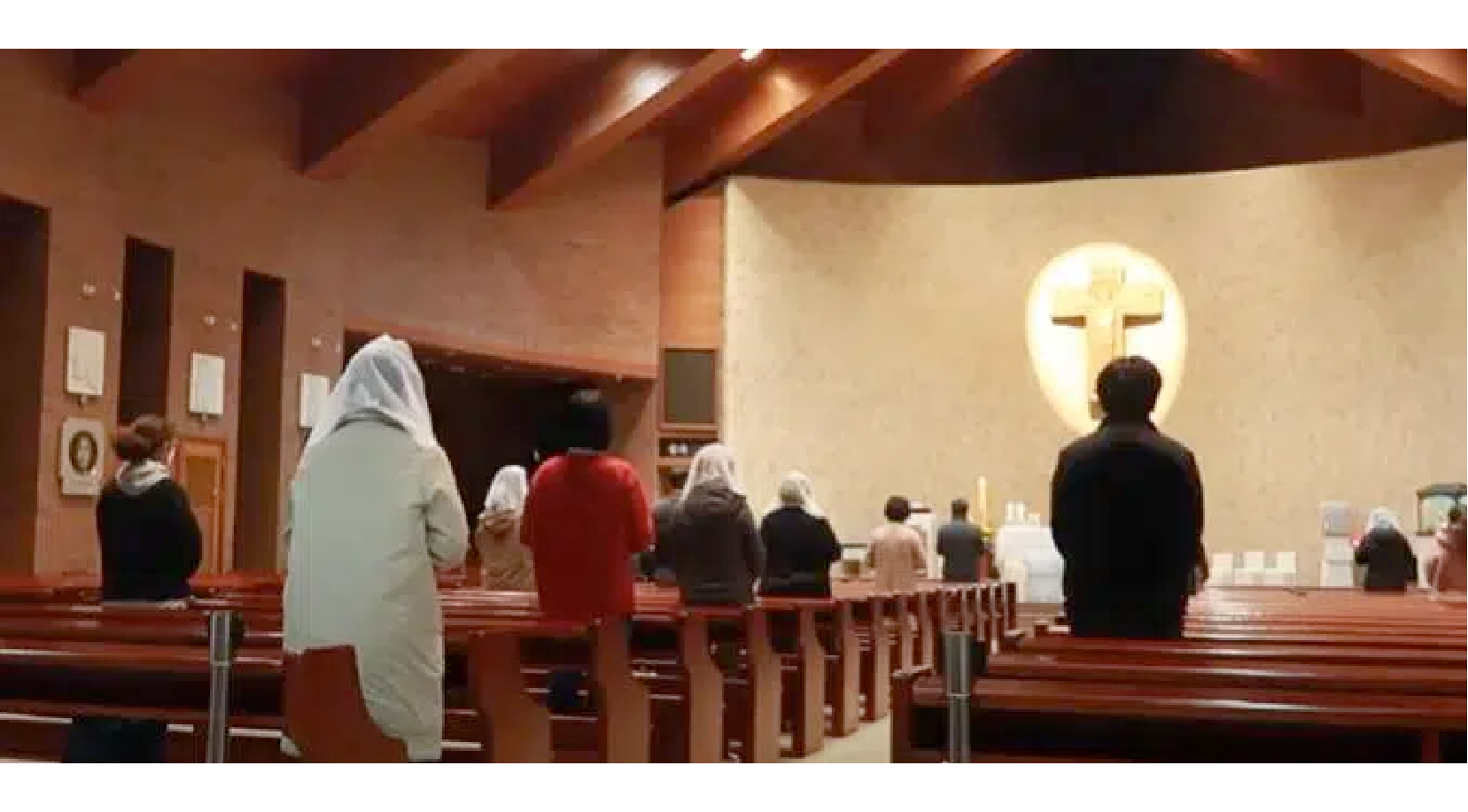
(ZENIT News / Krakow, 12.22.2025).- After years of steady decline and the disruptive shock of the pandemic, the Catholic Church in Poland appears to be entering a phase of cautious stabilization—at least on Sundays. New data released in December by the Church’s own statistical institute suggest that the long slide in Mass attendance has paused, even as deeper demographic and cultural pressures continue to reshape Catholic life across the country.
According to the 2024 edition of the Annuarium Statisticum Ecclesiae in Polonia, 29.6 percent of Polish Catholics eligible to attend Mass were present on an average Sunday last year. The figure represents a modest but symbolically significant increase of just over half a percentage point compared with 2023. A similar pattern emerged in the reception of Holy Communion, which rose to 14.6 percent of eligible Catholics, up slightly from the previous year.
For Marcin Jewdokimow, director of the Institute for Statistics of the Catholic Church, these parallel increases point less to a revival than to a settling of habits after the exceptional years of COVID-19, when public worship was sharply curtailed. The post-pandemic Church, he suggested at a press conference in Warsaw, may finally be finding its new baseline.
That baseline, however, remains well below pre-pandemic norms. Before COVID-19, more than a third of Polish Catholics attended Mass weekly, and nearly one in six received Communion. By comparison, today’s figures underline how much ground has been lost—and how difficult it may be to regain.
Beneath the national averages lie pronounced regional contrasts. Attendance remains strongest in eastern and southeastern dioceses, where religious practice is closely woven into rural life and family tradition. In western Poland, shaped historically and culturally by proximity to Western Europe, levels of participation are consistently lower. The gender gap also persists: women accounted for nearly six in ten Mass-goers in 2024, continuing a long-standing imbalance in parish life.
One striking indicator complicates the picture. While fewer Poles attend Mass overall, those who do are increasingly likely to approach the altar. Nearly half of all Sunday worshippers—49.5 percent—received Holy Communion last year, a sharp rise compared with a decade ago. For Church officials, this suggests a smaller but more actively engaged core, even as nominal affiliation weakens.
If Sunday practice shows signs of leveling off, the broader sacramental landscape tells a more sobering story. Baptisms fell again in 2024, dropping by 7.5 percent in a single year. First Communions edged downward, confirmations fell dramatically, and church weddings continued their long decline. Fewer than 70,000 couples married sacramentally last year, a figure that would have been unthinkable a generation ago.
Jewdokimow linked these trends directly to Poland’s demographic collapse and to shifting cultural norms. Birth rates have fallen to historic lows, and statisticians now project a population decline of eight million people by mid-century if current patterns persist. At the same time, marriage and religious rites increasingly compete with alternative life choices that carry little institutional or sacramental reference.
These pressures are also reshaping the Church’s human infrastructure. The number of diocesan priests has fallen steadily since 2018, with parish clergy declining at an even faster rate. Seminaries continue to thin, and both male and female religious congregations reported further losses in 2024. The modest growth in permanent deacons—still numbering just over one hundred nationwide—offers only partial compensation for a shrinking clerical presence.
Education, long a cornerstone of Catholic influence in Polish society, is undergoing its own transformation. Participation in religion classes in public schools fell again during the 2024–2025 academic year, continuing a downward trend that is particularly pronounced in major cities. While three-quarters of students remain enrolled nationwide, the erosion is unmistakable, especially among urban families.
Tensions with the state have sharpened this issue. Polish bishops reacted strongly to the government’s decision to halve the number of publicly funded religion classes, denouncing the move as unlawful and as a breach of the concordat with the Holy See. The dispute has become a flashpoint in a broader debate over the Church’s role in a society that is modernizing faster than its institutions.
Taken together, the latest statistics portray a Church at a crossroads. The feared post-pandemic collapse in Sunday worship has not materialized, but neither has a meaningful recovery. What is emerging instead is a leaner, more selective pattern of participation—one that challenges long-standing assumptions about Poland as Europe’s Catholic exception.
Whether this fragile equilibrium can endure will depend less on short-term fluctuations than on how the Church responds to demographic decline, cultural change, and the expectations of a new generation for whom religious practice is no longer a given, but a choice.
Thank you for reading our content. If you would like to receive ZENIT’s daily e-mail news, you can subscribe for free through this link.