

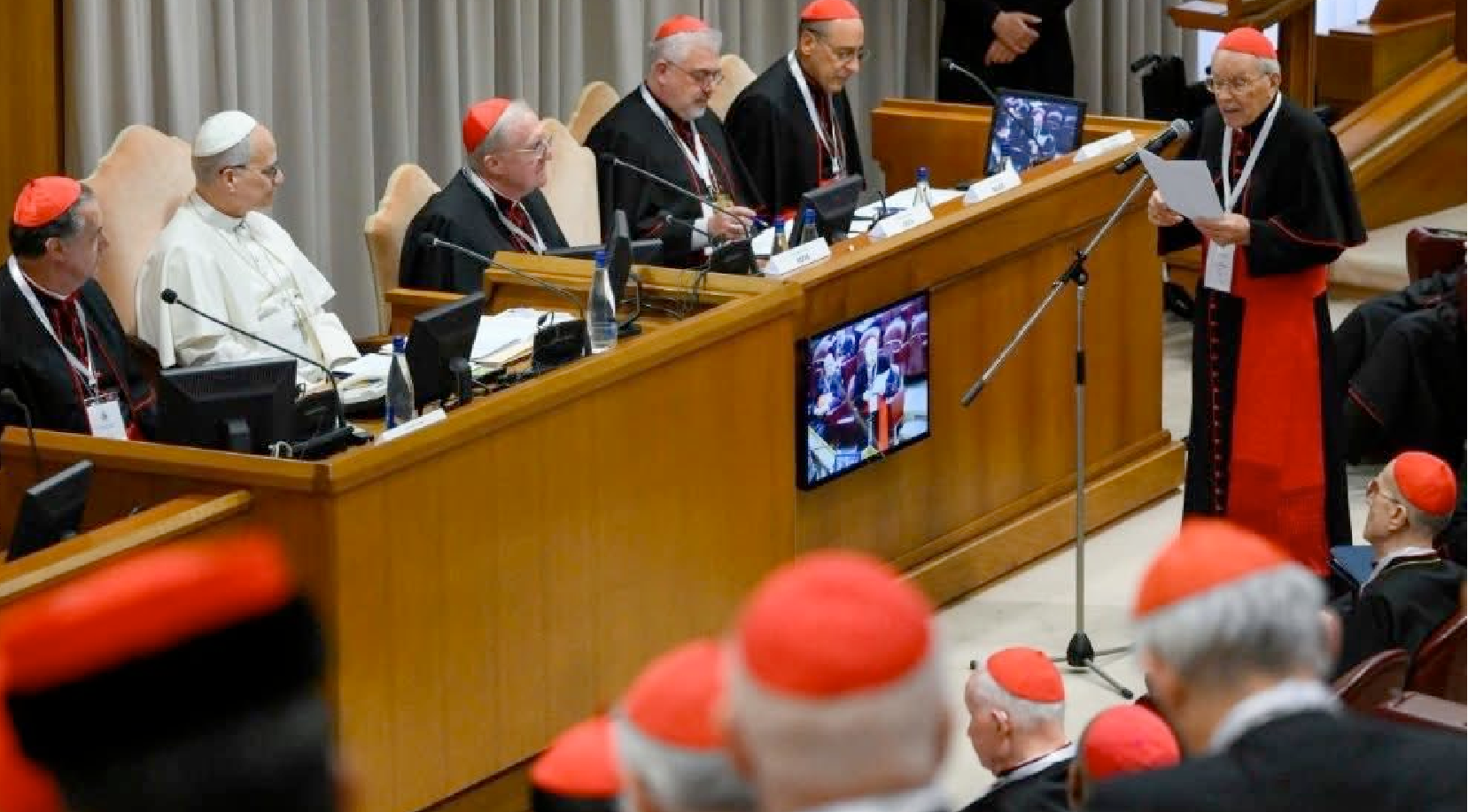
(ZENIT News / Vatican City, 01.07.2026).- Nearly 170 cardinals gathered in the Vatican for an extraordinary consistory that has already begun to define the tone and priorities of Pope Leo XIV’s pontificate. Meeting over two days, Wednesday January 7 and Thursday January 8, 2026, the cardinals voted by what was described as an “overwhelming majority” to focus their work on two themes: synodality and the synodal method, and evangelization and the Church’s missionary identity in the light of Evangelii gaudium.
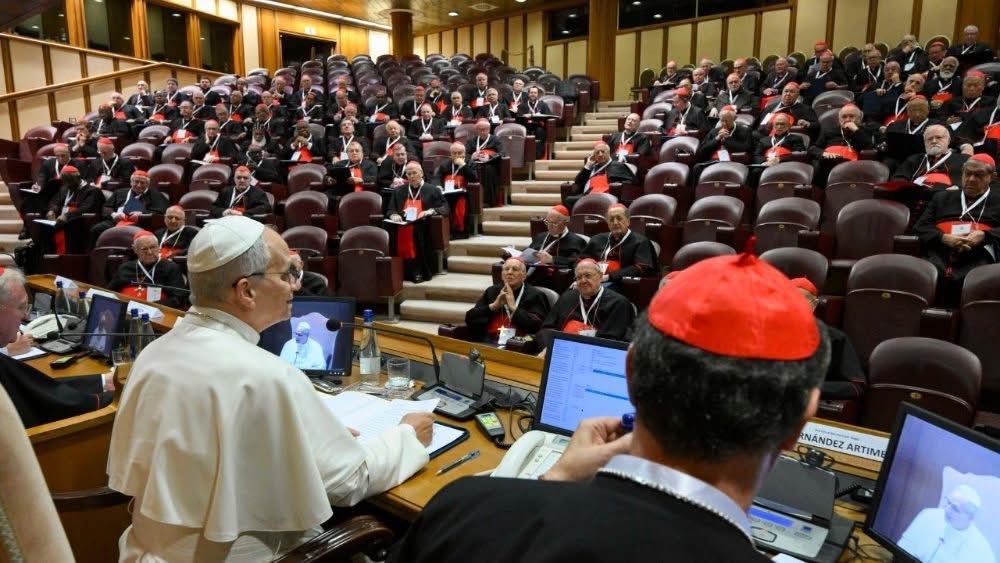
Time constraints required the assembly to select only two subjects from a list of four. Alongside the two chosen themes were liturgy and the apostolic constitution Praedicate Evangelium, which reformed the Roman Curia and its service to local Churches. The exclusion of liturgy prompted questions from journalists, addressed late on Wednesday evening by Matteo Bruni, director of the Holy See Press Office. He insisted that the decision should not be read as a dismissal of the topic. One theme, he explained, does not negate another; rather, the Pope had received a clear signal of urgency around certain questions, with the intention of integrating the others within the broader discussion.
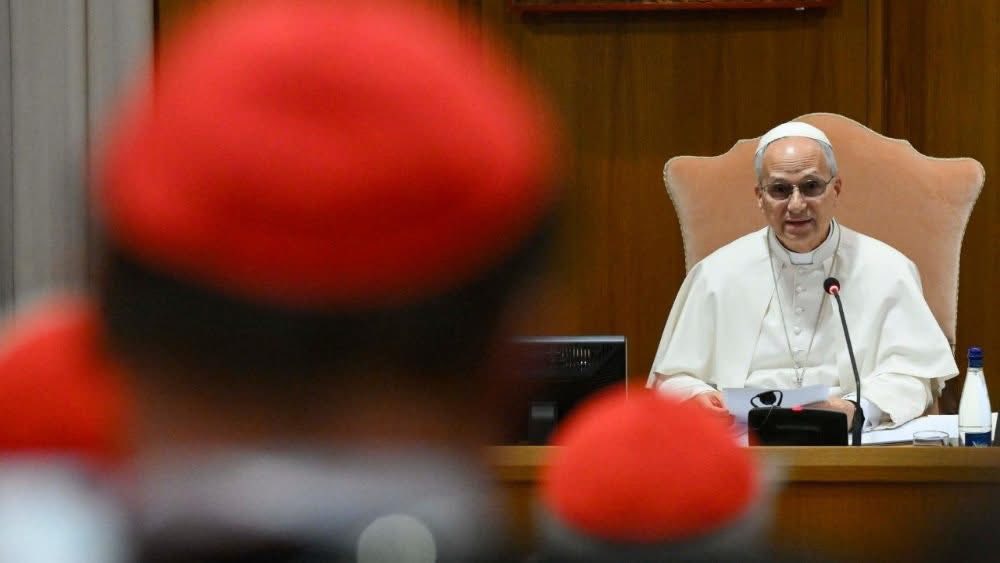
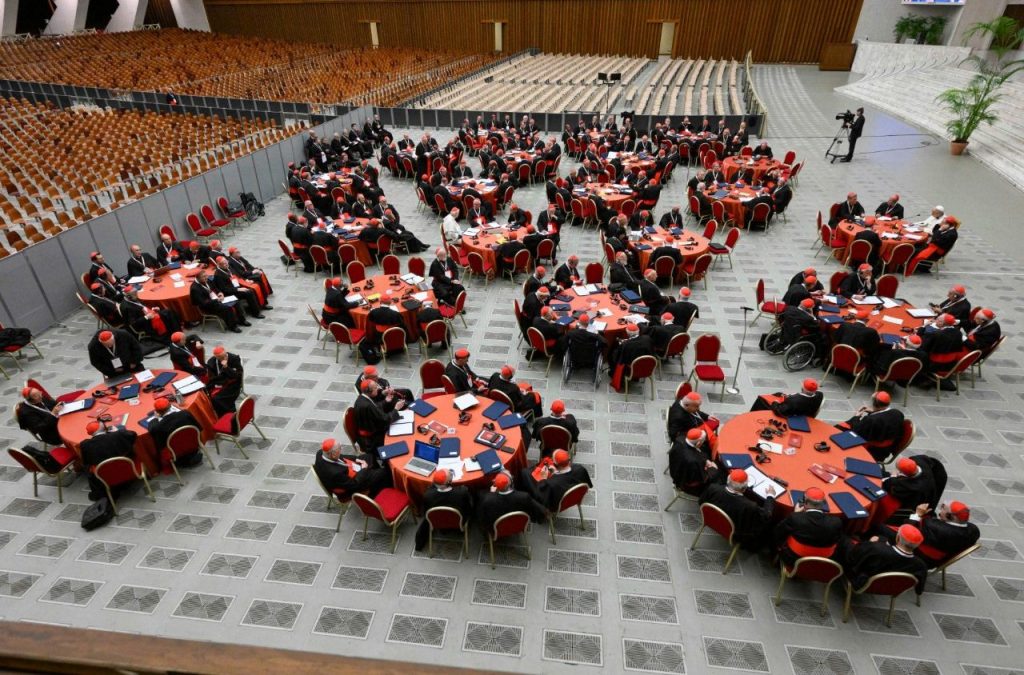
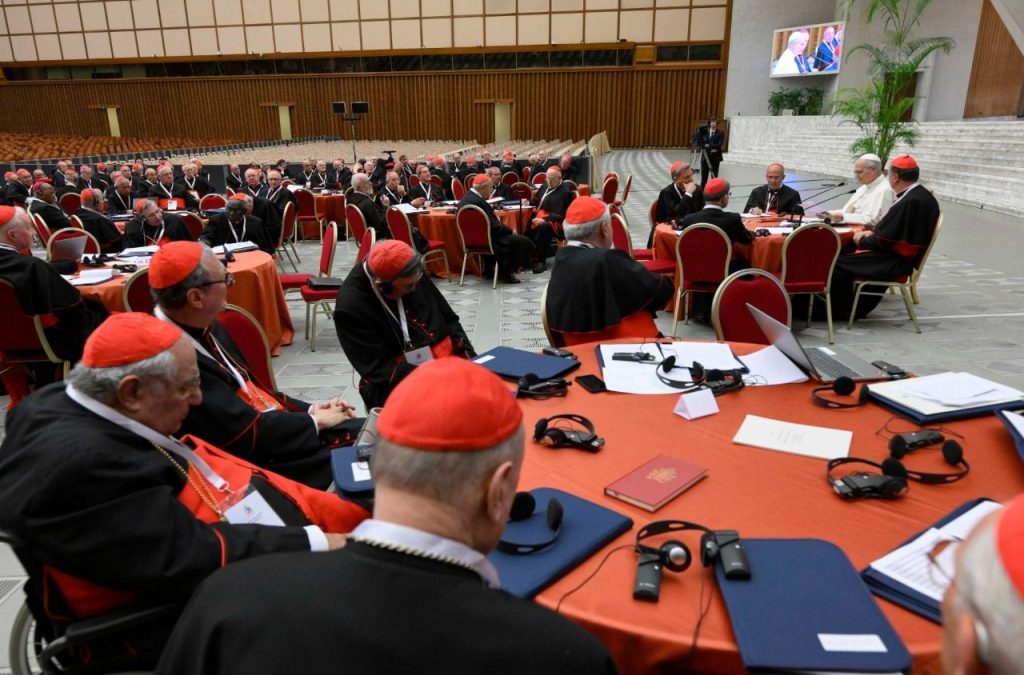
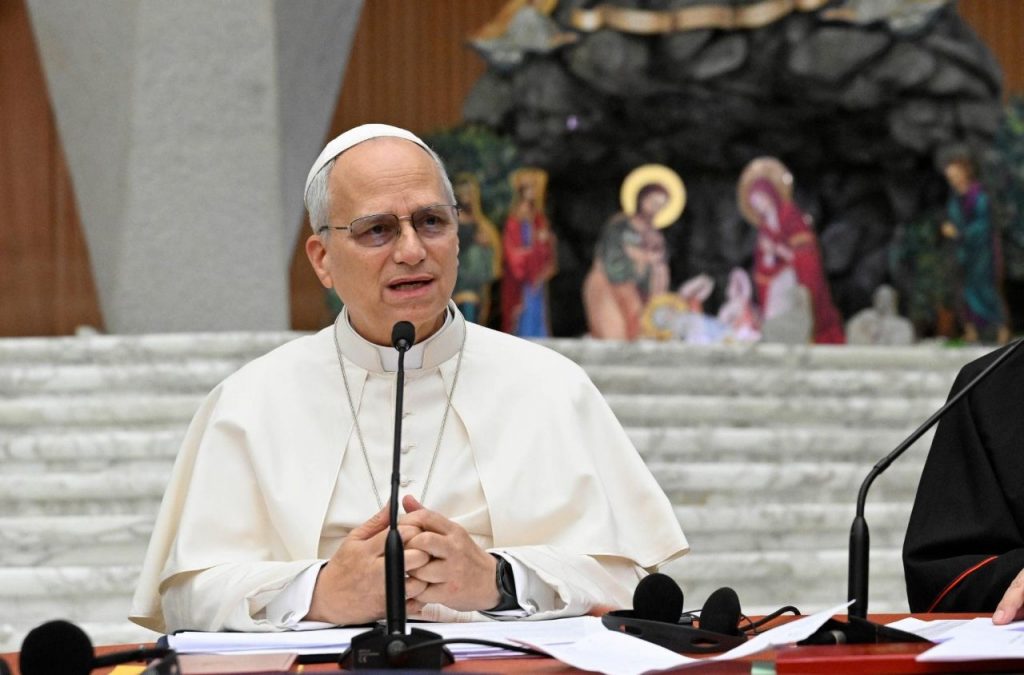
Synodality was not only the subject of debate but also the method adopted. The afternoon session unfolded through dialogue and attentive listening, with all participants seated around circular tables. Divided into 20 language-based groups, cardinals were given approximately three minutes per intervention, mirroring the procedures used in the last two Synods on synodality. Pope Leo XIV framed this approach explicitly, reminding the cardinals that synodality is “the path God expects of the Church of the third millennium.” At the end of the day, he spoke with unusual candor: “I feel the need to be able to rely on you.”
The consistory is structured into three sessions across the two days. The first part of the gathering on Wednesday took place in the Synod Hall and served as an introduction. Presided over by Cardinal Ángel Fernández Artime, pro-prefect of the Dicastery for Institutes of Consecrated Life, it opened with the Veni Creator Spiritus, followed by the reading of a passage from chapter 6 of the Gospel of Mark, two minutes of silence, a brief greeting from Cardinal Giovanni Battista Re, dean of the College of Cardinals, and a meditation delivered by Dominican Cardinal Timothy Radcliffe.
From around 4:20 p.m. until 6:00 p.m., the cardinals moved to the Paul VI Hall for group work, a phase in which the Pope did not participate directly. He returned only to listen to the final reports. Due to limited time, only the secretaries of the first nine groups were able to present summaries lasting three minutes each. These groups included cardinals from local Churches; as the Pope himself noted, members of the Roman Curia are more easily consulted through other channels. The remaining 11 groups communicated only the titles of the themes they had selected.
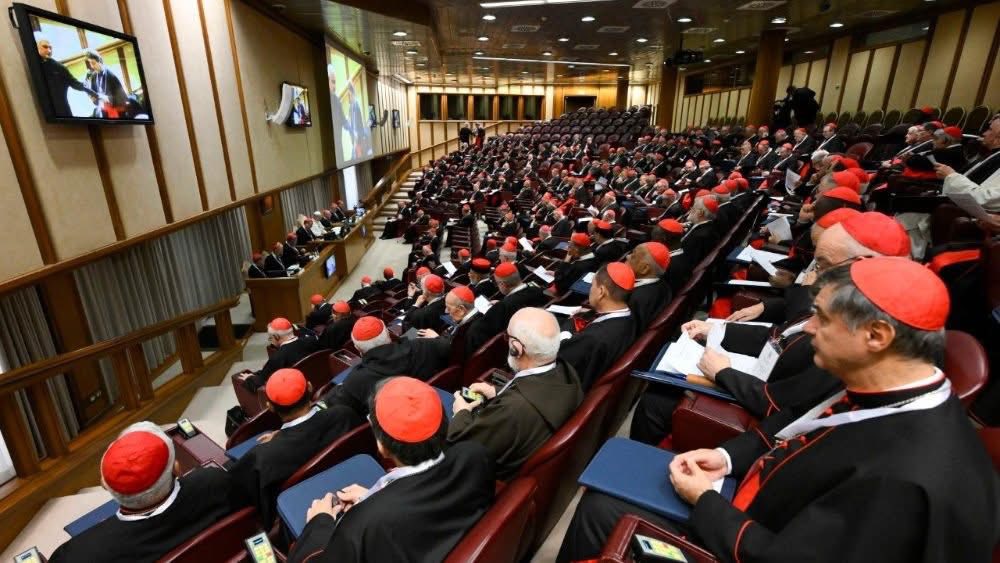
Discussion continued on Thursday morning following the Mass in St. Peter’s, with a third and final session scheduled for the afternoon, concluding the consistory. No final document is expected. Leo XIV made clear that the goal was not a text but the acquisition of a style: collegial and synodal, aimed at learning how to work together and “create something new.” The journey itself, he insisted, is as significant as any conclusion, emphasizing the lived experience of collegiality as a way of discerning together what the Holy Spirit is asking of the Church today and tomorrow.
The Pope acknowledged the brevity of the time available but underscored its importance for him personally. “You have called this servant to this mission,” he told the cardinals, echoing key passages from his homily at the Mass for the Solemnity of the Epiphany the previous day. He returned to a central question: “Is there life in our Church?” His answer points toward a missionary Church, one that looks beyond itself and understands the proclamation of the Gospel as its very reason for being.
Cardinal Radcliffe’s meditation set a reflective and, at times, stark tone. He framed his remarks around a fundamental question: how can the cardinals truly assist the Pope in his ministry to the universal Church? His answer was peace and love, drawing on the Gospel of John. A divided Church, he suggested, is of little help to Peter’s successor; a Church that lives unity even amid disagreement becomes a place where God is present, even when He seems absent.
Radcliffe also addressed the contemporary moment with unusual directness, describing an era of “terrible storms”: escalating violence ranging from armed crime to war, a widening gap between rich and poor, the unraveling of the global order that emerged after the Second World War, and the uncertain consequences of artificial intelligence. “If we are not already uneasy, we should be,” he warned. Feelings of isolation and exhaustion are understandable, he said, yet fear must not prevail. Christ remains vigilant and close. The same reassurance, he added, applies to a Church shaken by the storms of sexual abuse scandals and ideological divisions. The call, in his view, is not to wait cautiously on the shore but to navigate these waters with truth and courage.
Radcliffe’s prominence during the consistory drew additional attention because of remarks he made just days earlier in an interview with the British newspaper The Telegraph. In that conversation, he said he was “not worried if someone is gay” and suggested that there has “probably” already been a homosexual pope, arguing that what ultimately matters is love, not sexual identity. He also stated that “no one can simply say ‘I am a woman,’” emphasizing the enduring significance of biology in human identity, while simultaneously urging the Church to welcome and accompany transgender persons. True freedom, he argued, is discovered in the lived adventure of life, not in declaring an identity detached from the body.
On the role of women in the Church, Radcliffe voiced support for rapid progress toward the ordination of women as deacons, while cautioning that pushing for women’s priesthood without global consensus risks becoming a form of Western “arrogance.” He pointed to African bishops, often politically progressive yet firmly opposed to female ordination, and highlighted the substantial influence women already wield in Catholic education, healthcare, and Vatican leadership. For Radcliffe, the deeper issue is overcoming clericalism. In his words, saints matter more than priests, and only a joyful Church in which everyone feels welcome can credibly proclaim the Gospel.
Taken together, the votes, the method, and the tone of this first extraordinary consistory suggest a pontificate intent on shaping not only policies but also habits of discernment. For Leo XIV, the emphasis on synodality and mission appears less a programmatic choice than a statement of how he intends to govern: by listening, walking together, and urging the Church to look outward, even amid uncertainty and storm.
Thank you for reading our content. If you would like to receive ZENIT’s daily e-mail news, you can subscribe for free through this link.

Publicaciones relacionadas:
 Leo XIV to Personally Bestow Palliums in Return to Historic Ritual: A Subtle but Symbolic Shift in Papal Style
 Following complaints from cardinals in pre-Conclave meetings, Pope Leo XIV summons cardinals to Rome for early 2026
 Cardinals will return to Rome for a new Consistory in June 2026 requested by Pope Leo XIV
 Pope Leo XIV brings spiritual exercises back to the Apostolic Palace: they will be preached by a Norwegian monk (and bishop)
