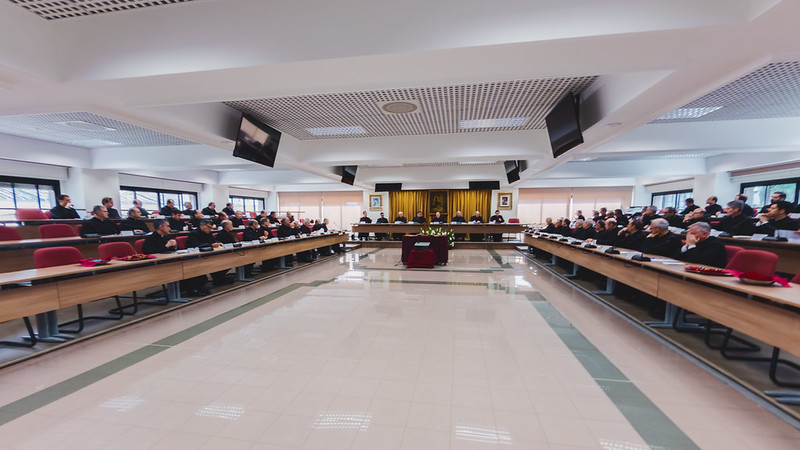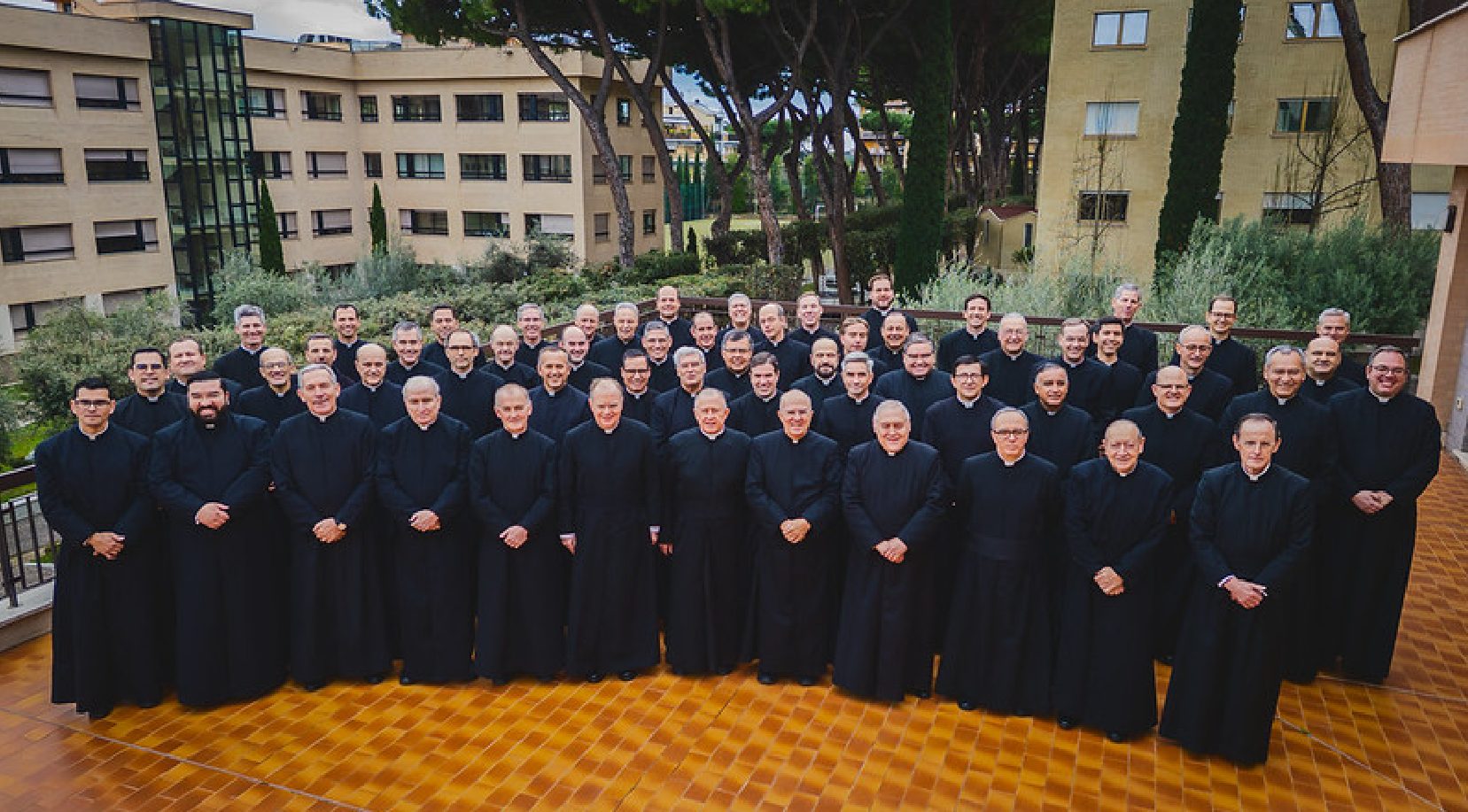
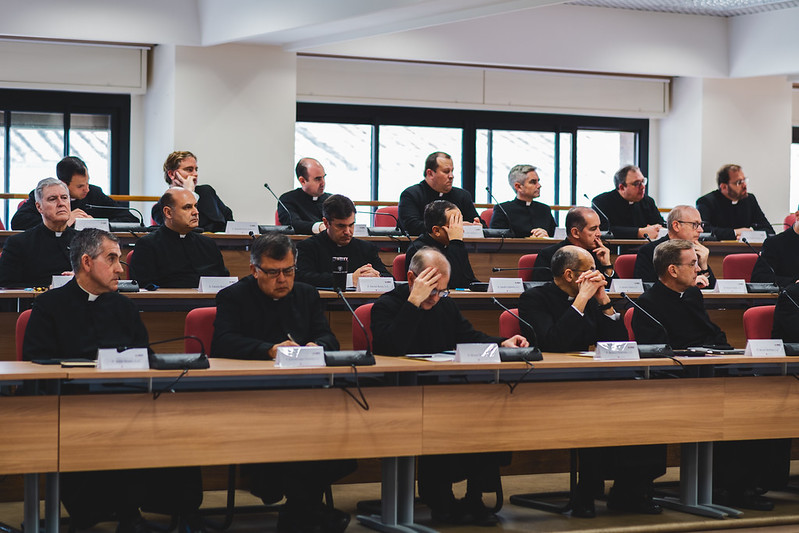
(ZENIT News / Rome, 01.20.2026).- Rome has once again become a place of decisive discernment for the Legionaries of Christ. On the morning of Tuesday, 20 January 2026, the congregation formally opened its General Chapter, the highest governing assembly in its institutional life, marking the beginning of a process that will shape its leadership, priorities, and apostolic direction for the next six years.

The opening was preceded with silence and prayer. For eight days prior to the Chapter’s inauguration, the capitular fathers undertook spiritual exercises, preached by bishop Brian Farrell, L.C., secretary emeritus of the Dicastery for Promoting Christian Unity. The retreat set a deliberately spiritual tone, emphasizing renewal, interior freedom, and renewed configuration to Christ before any institutional decisions were made.
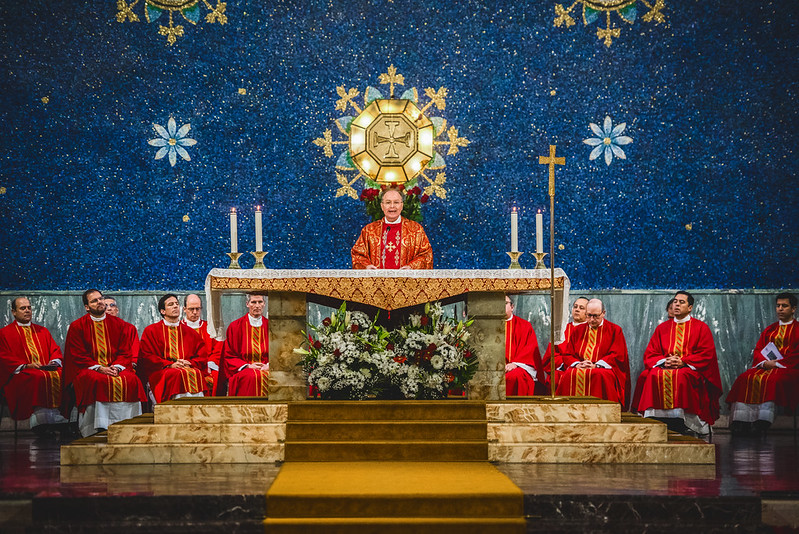
The General Chapter was officially inaugurated with the celebration of the Eucharist at the Basilica of Our Lady of Guadalupe in Rome. The Mass was presided over by Father John Connor, L.C., acting Director General, who used the homily to frame the Chapter not as a technical exercise in governance but as a theological act. This, he said, was not a gathering convened merely to exchange ideas, but a moment of offering: a willingness to place the congregation itself before God. Drawing on the prophet Joel, he spoke of consolation, hope, and openness to what the Spirit may yet bring forth in the life of the Legion.
Ver esta publicación en Instagram
Connor stressed that the success of the Chapter would depend less on pre-formulated conclusions than on the interior disposition of those present. The invitation, he said, was to arrive without fixed agendas, ready to listen, discern, and act in fraternity for the good of the congregation and its mission within the Church.
Following the Mass, the capitular fathers formally constituted the Chapter: invoking the Holy Spirit, verifying attendance, and signing the official decree that set the assembly in motion. From that point, the work of the Chapter entered its proper phase. Over the coming weeks, the assembly will assess the mandates entrusted to the General Government by the 2020 Chapter, evaluate current challenges facing the congregation, and elect a new Director General and council who will guide the Legionaries through 2032.
Ver esta publicación en Instagram
For readers less familiar with Catholic religious life, a General Chapter is not simply a board meeting on a larger scale. In religious congregations, it functions as the supreme authority, combining governance with communal discernment. Held every six years, it evaluates the state of the institute, sets strategic orientations, renews leadership, and seeks to strengthen a shared identity and mission.
The 2026 Chapter brings together 60 Legionary priests with voice and vote. Of these, 21 participate by virtue of the offices they hold, while 39 were elected by their respective territories, ensuring global representation.
The international character of the assembly is notable: participants come from 14 countries, with the largest national groups from Mexico (20), Spain (11), and the United States (9), followed by Italy (4), Germany, Colombia, and Chile (three each), and others from Venezuela, France, Brazil, Canada, El Salvador, and Nicaragua.
The demographic profile reflects both experience and generational diversity. The average age of the capitular fathers is 54. The youngest was born in 1989 and is 36 years old; the eldest was born in 1951 and is 74. Six participants are under 40, while four are over 70. In terms of priestly experience, the most recently ordained priest dates to 2022, the earliest to 1983. On average, participants have 23 years of priesthood, with 16 having more than three decades of ministry and eight ordained for less than ten years.
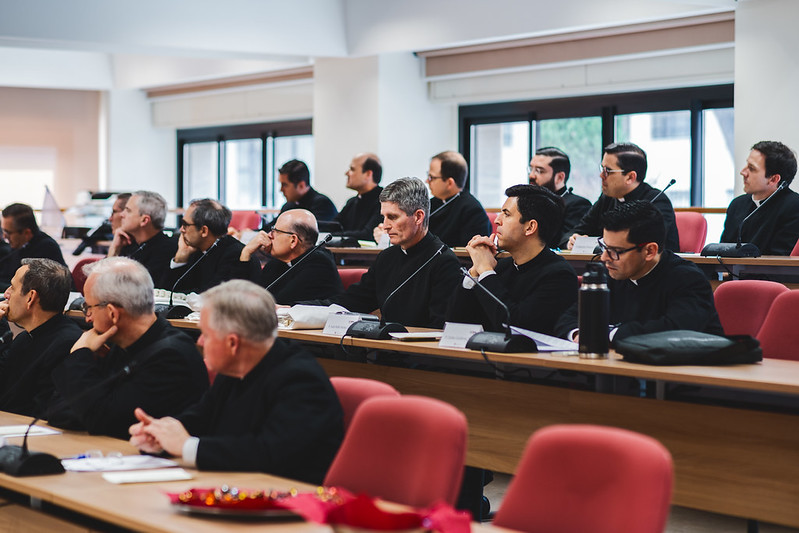
Academic formation is another defining feature of this Chapter. Twelve participants hold doctorates in fields ranging from theology, spirituality, philosophy, and canon law to bioethics. More than 50 have licentiate or master’s degrees in philosophy or theology. Several also bring advanced civil qualifications, including degrees from institutions such as Stanford University and the Universidad Anáhuac, in disciplines like industrial engineering, economics, actuarial science, business administration, history, and classical humanities. This intellectual breadth is expected to shape the theological and pastoral depth of the Chapter’s deliberations.
The range of current ministries among the capitular fathers reflects the congregation’s global and multifaceted mission. Twenty-seven serve in territorial or general governance; fifteen are engaged in pastoral work linked to Regnum Christi; nine work in education at schools or universities; seven are involved in priestly formation; others serve in parishes, ecclesiastical tribunals, safeguarding structures, or as academic rectors and administrators.
Significantly, the Chapter is unfolding in parallel with other major assemblies within the Regnum Christi federation. The General Assembly of the Consecrated Women of Regnum Christi is already underway in Rome, while the Assembly of the Consecrated Lay Men will begin on 25 January. Their temporal proximity underscores a broader ecclesial vision: that of Regnum Christi as a spiritual family and apostolic body, called to discern its mission together in service of the wider Church.
As the General Chapter continues, attention will increasingly turn to the election of the new General Government and the priorities it will articulate. Yet, at least in these opening days, the emphasis remains clear: governance rooted in prayer, authority exercised through discernment, and decisions shaped by a shared desire to respond faithfully to the needs of the Church in a rapidly changing world.
Thank you for reading our content. If you would like to receive ZENIT’s daily e-mail news, you can subscribe for free through this link.