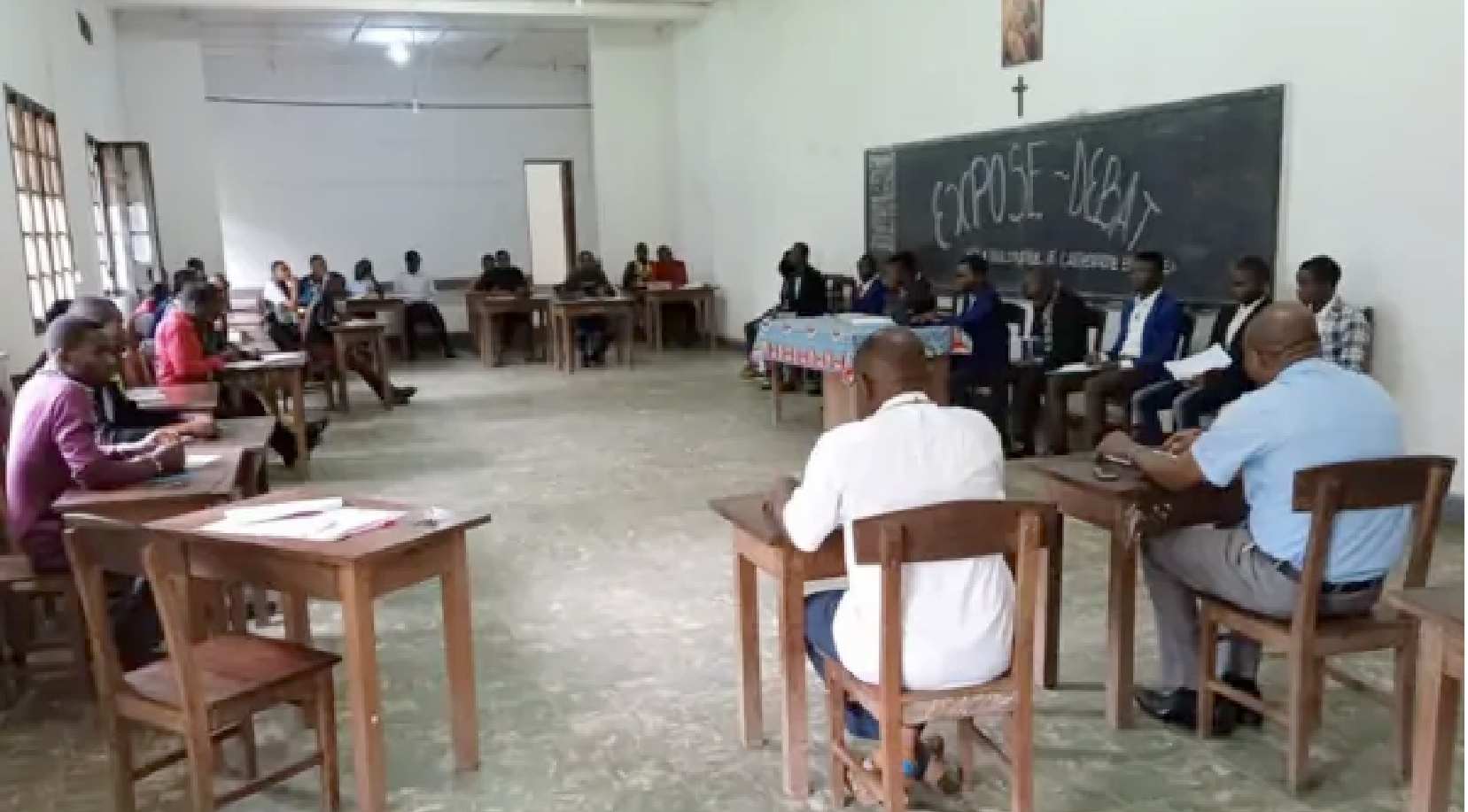
(ZENIT News / Wamba, Congo, 10.15.2025).- The Vatican’s Dicastery for Evangelization has ordered the suspension of priestly formation in the Diocese of Wamba, in northeastern Democratic Republic of Congo, citing what it described as an “ecclesial climate” too troubled to sustain authentic vocational discernment. The move, announced in a letter dated October 7 by Apostolic Administrator Bishop Sosthène Ayikuli Udjuwa, marks an unusual and serious intervention in the internal life of a local Church.
The decision effectively freezes all seminary activity in Wamba, including at the historic Saint Leo Minor Seminary of Lingondo, long regarded as one of the region’s vital nurseries for priestly vocations. The Dicastery concluded that continuing formation under current conditions “would be entirely inappropriate,” according to Bishop Ayikuli’s letter, and instructed that seminarians seeking to continue their studies must be received elsewhere, under the guidance of other bishops willing to take them.
The roots of the crisis lie in a prolonged leadership impasse that has divided the diocese since early 2024. When Pope Francis appointed Bishop Emmanuel Ngona Ngotsi as ordinary of Wamba in January, the announcement was met with resistance from sections of both clergy and laity who insisted the post should go to a native of the area. Though Bishop Ngotsi was consecrated in Kinshasa months ago, he has yet to take canonical possession of his diocese due to persistent local opposition.
The Vatican’s intervention suggests growing concern over the impact of the dispute on ecclesial life. The Dicastery for Evangelization, responsible for overseeing missionary territories and young churches, rarely suspends formation programs outright—a measure usually reserved for situations in which the unity or integrity of priestly training is considered compromised.
In his letter, Bishop Ayikuli, who also leads the Diocese of Mahagi-Nioka, sought to reassure seminarians that their vocation paths remain open despite the disruption. “Those who wish to pursue priestly formation may contact other bishops after proper discernment,” he wrote. He also encouraged those who might feel called to a religious order instead to seek admission into a community or apostolic society that could guide their continued formation.
Local sources describe an atmosphere of fatigue and uncertainty in Wamba’s ecclesiastical institutions, with some priests reportedly divided along ethnic or regional lines. Parish activities continue, but the suspension of seminary life—traditionally a source of vitality and renewal—adds another layer of strain to a community already wounded by mistrust.
Still, Bishop Ayikuli’s tone remained pastoral rather than punitive. “I am ready to accompany each seminarian in his choices and in bringing them to fruition,” he wrote, signaling his intention to personally assist those displaced by the suspension.
Observers in Kinshasa interpret the Vatican’s move as a temporary but necessary pause aimed at allowing tempers to cool and ensuring that priestly formation in Wamba can eventually resume in a context of genuine ecclesial unity. Yet the deeper question—how a diocese heals from a division that pits identity against obedience—remains unanswered.
Thank you for reading our content. If you would like to receive ZENIT’s daily e-mail news, you can subscribe for free through this link.