

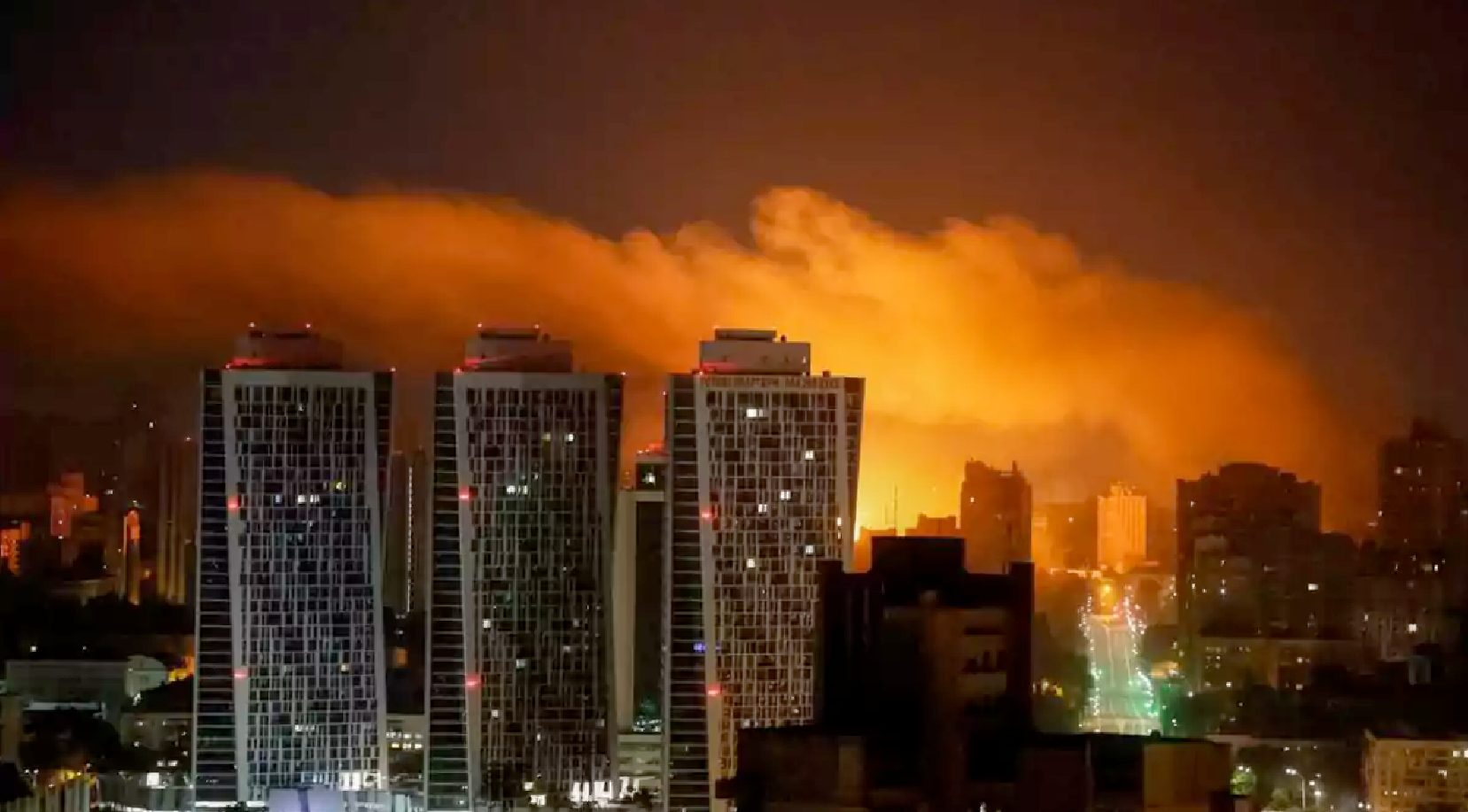
(ZENIT News / Kyiv, 07.15.2025).- As Russian air raids on Kyiv intensified over consecutive nights, a symbol of diplomatic neutrality and pastoral outreach came under threat. The Apostolic Nunciature—the Vatican’s embassy in the Ukrainian capital—sustained physical damage in the early hours of July 10, as unmanned aerial vehicles struck multiple targets across the city.
Archbishop Visvaldas Kulbokas, papal nuncio, remained at his post during the attacks, offering a sobering eyewitness account to Vatican News. “I saw and heard drones circling directly over the Nunciature,” he recounted. “Several explosions followed, some very near. Parts of the embassy building—especially the roof, technical facilities, and garage—were damaged. By God’s grace, no one inside was injured.”
The strikes, which reportedly targeted residential neighborhoods and diplomatic districts including Shevchenkivskyi, represent a disturbing escalation in Russia’s aerial campaign. This latest wave comes amid a growing list of civilian casualties and infrastructure loss, affecting not just military targets but places where diplomacy, culture, and faith intersect.
The Nunciature’s location—within a sector known for housing embassies—raises troubling questions about the evolving scope of the conflict and the vulnerability of international missions. While no official confirmation links the Vatican embassy as a direct target, its proximity to detonations suggests that even traditionally protected zones are no longer spared.
In Kyiv, where sirens now punctuate the rhythm of life and sleep is a fleeting privilege, Kulbokas has become a figure of spiritual endurance. His role, like that of all apostolic nuncios, forbids departure from his diplomatic mission even under conditions of extreme threat. “We are called to remain close to the people we serve, especially in their suffering,” he said.
Behind the walls of the damaged building, operations are momentarily halted—staff could not reach the site amid ongoing bombardments—but the moral presence of the Church continues. It is a presence marked not by weapons or politics, but by solidarity, witness, and the quiet insistence on human dignity in times of chaos.
Kulbokas, a native of Lithuania and seasoned Vatican diplomat, has consistently called the global Church to a deeper engagement with Ukraine’s plight. Following the strike, his appeal remained unwavering: “Let us pray together for peace. Not just for an end to attacks, but for the healing of wounds—seen and unseen—that this war has inflicted.”
The Vatican has maintained a unique position throughout the war: avoiding alignment with any bloc while pleading for humanitarian corridors, the protection of civilians, and diplomatic solutions. The incident in Kyiv now places that neutrality at physical risk.
Yet, far from weakening the Vatican’s moral resolve, the attack has renewed attention on the symbolic role of the Church in conflict zones. From Iraq to South Sudan and now in Ukraine, papal representatives stand amid destruction not to weigh military strategies but to bear witness to human suffering—and to call the world’s conscience to account.
Thank you for reading our content. If you would like to receive ZENIT’s daily e-mail news, you can subscribe for free through this link.

Publicaciones relacionadas:
 Communist China recognizes 94-year-old Catholic bishop Melchiorre Shi Honghzen
 Trump names CatholicVote leader as U.S. ambassador to the Vatican
 British King and Queen to visit Pope Francis on the occasion of the Jubilee: will they cross the Holy Door?
 China recognizes first bishop appointed by Pope Leo XIV for a Chinese diocese
