

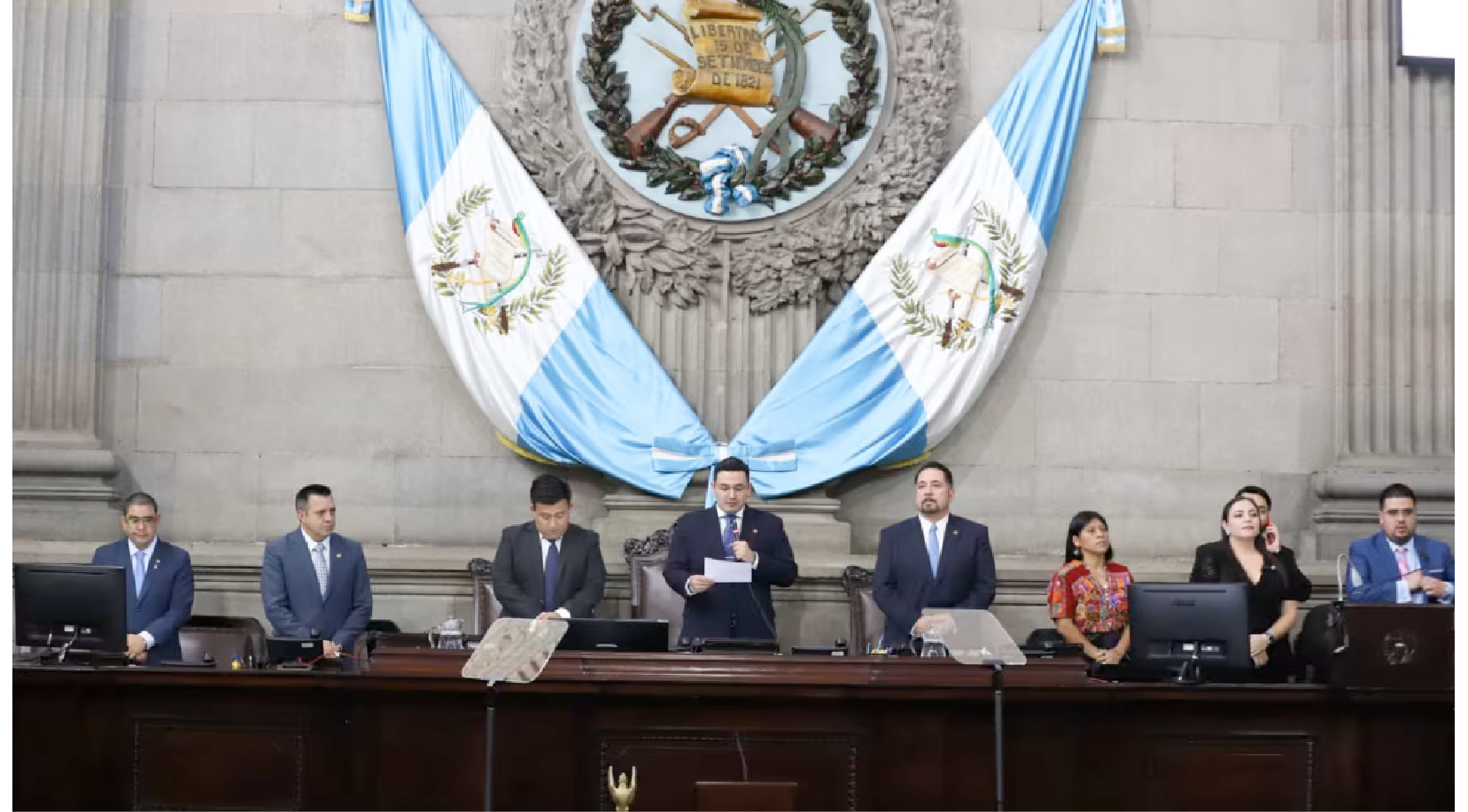
(ZENIT News / Guatemala City, 08.28.2025).- Guatemala’s Congress has declared the first Saturday of August as the country’s new National Bible Day, a move that has sparked debate not only among politicians but also within the nation’s largest religious community, the Catholic Church. While lawmakers celebrated the measure as a cultural affirmation, church leaders and government officials alike questioned both its timing and necessity.
The law, passed on August 12 with 110 votes out of 160, was introduced through an “urgency” procedure normally reserved for crises of national relevance. Its stated purpose is to highlight the Bible’s role in fostering human dignity and promoting the spiritual, ethical, and cultural development of Guatemalan society. Educational, civic, and cultural activities are envisioned as part of the annual observance.
Yet the Catholic Church in Guatemala was quick to signal its reservations. Father Luis René Sandoval Quinteros, spokesperson for the Archdiocese of Santiago de Guatemala, described the law as “strange,” especially given the many pressing issues facing the nation. He noted that the Catholic community already dedicates an entire month—September—to Scripture, culminating in the feast of St. Jerome, who translated the Bible into Latin in the fourth century. From his perspective, multiplying symbolic dates does little to strengthen genuine engagement with the Word of God.
President Bernardo Arévalo adopted a similar tone of restraint. While announcing he would not veto the law, Arévalo underscored that it does not compromise Guatemala’s secular constitution. Still, he voiced skepticism: “For the believer, every day is Bible Day. What matters is living its message, not making declarations in Congress,” he remarked.
The controversy also touches on questions of religious pluralism. Father Sandoval reminded legislators that not all Guatemalans identify as Christians, despite the country’s overwhelmingly Christian profile—Latinobarómetro’s 2023 survey estimated 44 percent evangelical and 42 percent Catholic. A state-imposed commemoration, he warned, risks blurring the healthy distance between church and government, which should guarantee freedom of religion for all, including minority faiths.
The debate reflects a wider Latin American trend. In recent decades, countries such as El Salvador and the Dominican Republic have also created official days to honor the Bible, often promoted by governments eager to appeal to Christian constituencies. But the Guatemalan case highlights the tension between symbolic gestures and substantive policy. For critics, celebrating Scripture through legislation risks becoming an easy substitute for the more difficult task of living by its imperatives—justice, care for the poor, and protection of the vulnerable.
Father Sandoval put it succinctly: “The true way to honor God’s Word is by legislating for the good of the people—through health, security, and education. That is fulfilling both divine and human law.”
Thank you for reading our content. If you would like to receive ZENIT’s daily e-mail news, you can subscribe for free through this link.

Publicaciones relacionadas:
 Pope Gives Relics of the True Cross to King Charles III for His Coronation
 USA: Bishops Reduce Investments in Campaigns Against Abortion Before the 2024 Elections
 From Spain to Mexico: Cardinal Aguiar defends the Cause for Beatification of Queen Isabella the Catholic in Valladolid
 UK Bible Sales Are Up 134% Since 2019
