(ZENIT News / Rome, 08.02.2025).- What began as a humanitarian effort to shelter vulnerable youth has unexpectedly become a roadblock for Catholic clergy and religious men and women seeking to remain in the United States. A sweeping investigation by U.S. Citizenship and Immigration Services (USCIS) has revealed widespread fraud within a visa program originally designed to protect unaccompanied minors. The consequences are now being felt far beyond immigration courts—reaching deep into the life of the Church.
According to a report released on July 24, USCIS uncovered extensive misuse of the Special Immigrant Juvenile (SIJ) visa program, which allows certain undocumented minors under the age of 21 to apply for permanent residency if they’ve been abused, abandoned, or neglected. The findings are staggering: among the 300,000 SIJ applicants reviewed between 2013 and 2024, the majority were already over 18 years old—well beyond the typical threshold for juvenile protection.
Many applicants, particularly young men from El Salvador, Guatemala, and Honduras, allegedly falsified their names, ages, and even nationalities. Some manipulated the system by designating newly arrived adults—often also undocumented—as their legal guardians in order to meet SIJ requirements. In more troubling cases, USCIS documented serious criminal histories: over 36,000 encounters with law enforcement were linked to 18,829 adult SIJ petitioners. These included charges of murder, sexual assault, child abuse, and links to violent gangs.
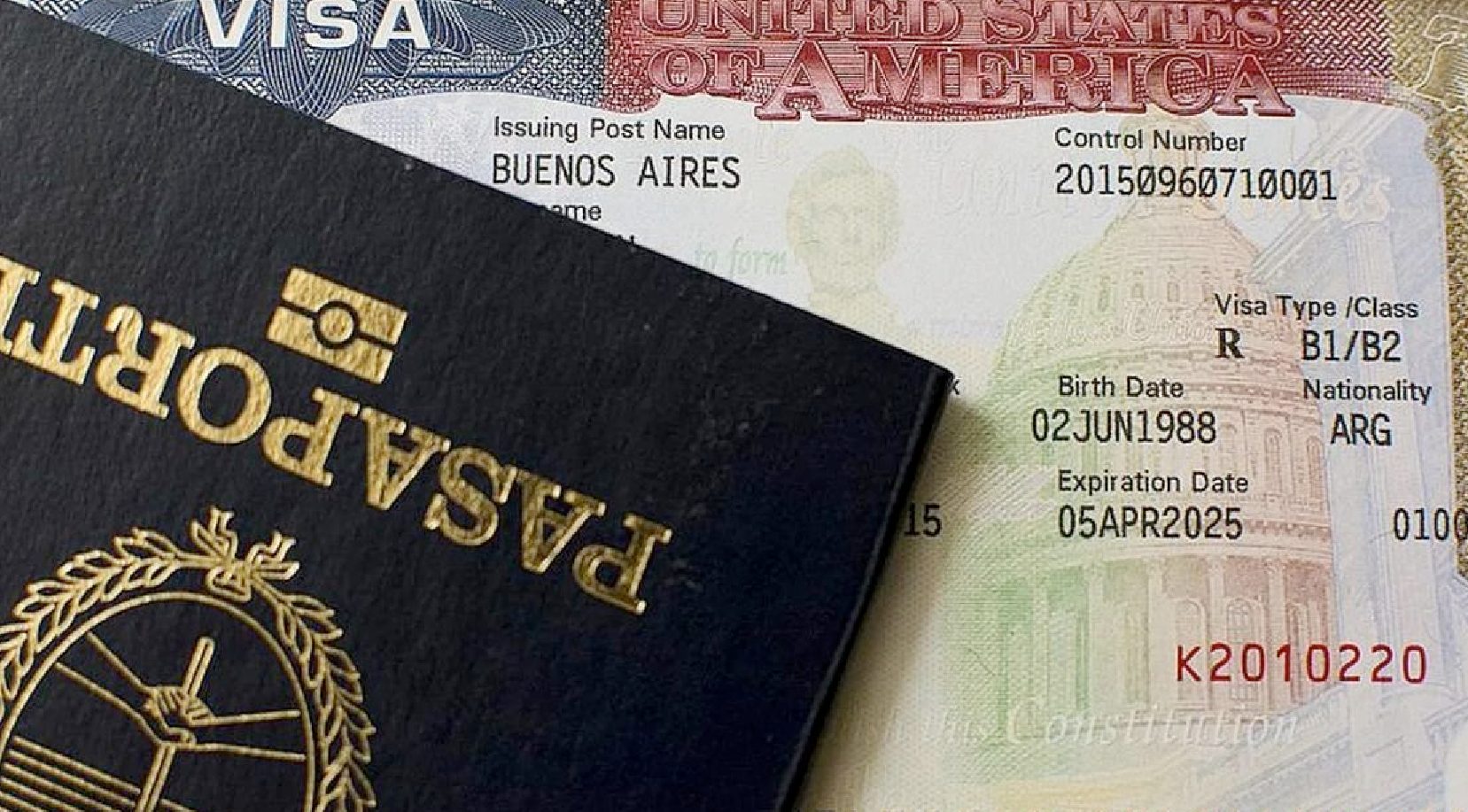
While these revelations are deeply concerning on their own, they carry unexpected consequences for a completely different group: foreign-born priests, religious brothers and sisters, and other ministers of religion who rely on the same immigration channel, the EB-4 visa category, to remain in the country legally.
The EB-4 category groups a wide variety of “special immigrants” under one bureaucratic umbrella, including abused minors and clergy. But as the number of SIJ applicants exploded—especially after the Biden administration broadened access to the program in 2023—the category reached its visa quota much earlier than expected. As a result, priests and religious waiting to adjust their legal status have been caught in an administrative bottleneck.
The numbers paint a grim picture. The wait time for EB-4 visas, once around two years, has ballooned to nearly six years. No new green cards will be issued under this category until October, when the next fiscal year begins. Until then, many religious workers are living in uncertainty, some dangerously close to having to leave the country when their temporary R-1 religious visas expire.
Thousands of foreign-born clergy serve in American parishes, many of which struggle to fill pastoral roles. In some dioceses, particularly in rural or underserved areas, these priests and religious are essential for maintaining parish life. The delay in processing their visa applications now threatens both their ministry and the stability of communities they serve.
Catholic leaders and immigration advocates have raised the alarm. Miguel Naranjo, director of religious immigration services at the Catholic Legal Immigration Network, called the backlog “devastating.” He emphasized that while it is crucial to protect vulnerable minors, the integrity of the system must not come at the expense of religious workers who provide vital services in education, healthcare, and pastoral care.
Some in Congress have recognized the urgency of the matter. Bipartisan legislation has been introduced to extend visas for religious workers, allowing them to remain in the U.S. during this period of administrative gridlock. But until a solution is passed and implemented, the fate of thousands of clergy and religious remains uncertain.
The spiritual mission of these men and women—their call to serve in hospitals, schools, prisons, and parishes across the U.S.—is now intertwined with the bureaucratic fallout of a system overwhelmed by fraud. Their hopes rest not just on their faith, but on the willingness of lawmakers to act swiftly and justly.
Thank you for reading our content. If you would like to receive ZENIT’s daily e-mail news, you can subscribe for free through this link.