

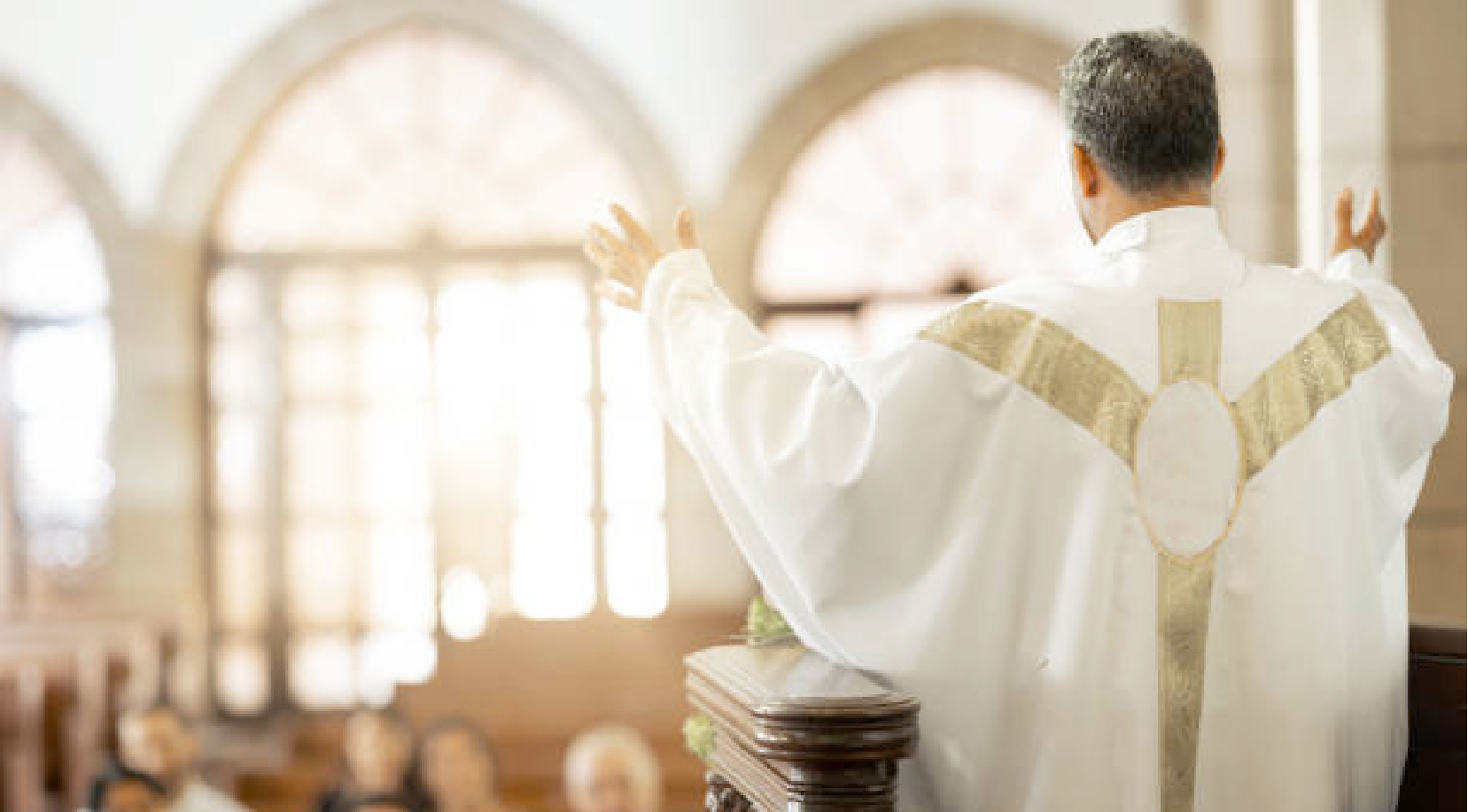
(ZENIT News / Rome, 11.23.2025).- When Australian bishops commissioned an unprecedented study into the everyday wellbeing of priests and deacons, few expected the results to paint such a complex portrait of a vocation marked by deep satisfaction and quiet strain in equal measure. Yet that is precisely what emerges from the 150-page report Thriving (and Surviving) in Ministry, released in mid-November: a clergy that remains overwhelmingly committed, spiritually grounded, and generally content, even as it shoulders rising pressure, emotional fatigue and the aftershocks of a tumultuous decade in the Church’s national life.
The survey—the largest of its kind ever conducted in Australia—reached 825 priests and deacons, roughly a quarter of the country’s ordained ministers. Their testimonies offer a rare window into a group whose public image is often shaped more by crisis than by the quiet rhythms of parish life. The findings reveal something striking: nearly all respondents, an extraordinary ninety-five percent, said they value their ministry deeply. Despite long hours, vast distances, and the lingering trauma of institutional scandals, most feel supported, reasonably provided for, and spiritually nourished.
But beneath those headline numbers lies a more delicate story.
Australia’s clergy is a mosaic of cultures and backgrounds, with barely half of its members born in the country and others arriving from India, the Philippines, Vietnam and further afield. Their geographical contexts vary just as sharply. While most minister near the densely populated coast, some serve in the immense and sparsely settled interior, where a simple sacramental act such as going to confession can involve logistical hurdles that urban clergy rarely face. The survey notes that these distances subtly shape how priests experience their vocation: isolation becomes not only a geographical reality but sometimes an emotional one.
Still, the relationships at the heart of ministry appear remarkably strong. Large majorities reported positive ties with their parish communities, their families and even their bishops—an area in which clergy in many countries often express ambivalence. Deacons, many of whom are married, described especially healthy family relationships, unsurprising given their dual commitments to home and parish.
Spiritually, the picture also leans toward resilience. Most clergy said they feel close to God and generally find time for prayer, though fewer than half currently meet with a spiritual director. A notable minority admitted that they approach confession irregularly, sometimes out of remoteness, sometimes out of uncertainty about the sacrament itself—an issue that surfaced during Australia’s 2022 plenary council and remains a topic of pastoral concern.
Yet even with evident signs of flourishing, signs of fragility run through the data. A twelve-percent slice of the clergy reported frequent anxiety, a figure that spikes among those under forty. More than half had experienced significant stress within the past year, and nearly as many reported sleeplessness or loneliness. For some, the pressure comes from sheer volume. One priest recounted presiding over fifty-seven funerals in half a year—a workload that would test even the most seasoned pastor.
Part of the strain reflects demographic shifts. The number of priests in Australia has fallen steadily over two decades, declining by more than ten percent since 2003. Deacons have multiplied in that same period, yet their presence has not erased the rising pastoral demands placed on already stretched clergy. Administrative responsibilities, safeguarding protocols introduced after the Royal Commission, and the emotional weight of past abuse scandals have all contributed to what some describe as an erosion of priestly identity, or at least a complicating of it.
Interviewees did not hesitate to identify specific areas of concern. Among the most common were strained relationships with superiors or fellow clergy, the demands of pastoral care in increasingly diverse communities, and a sense of diminished support during times of personal crisis. Others cited uncertainty about retirement, gaps in ongoing formation, or the simple but chronic issue of overwork. Physical and mental health concerns surfaced repeatedly, including stress-related conditions and, in a few cases, struggles with addiction or unhealthy internet habits.
Yet the same clergy who catalogue these burdens also describe lives marked by enthusiasm, personal discipline and surprisingly ordinary pleasures. Many say they sleep well, eat well and feel confident in their work. Outside ministry, they play golf, kayak, practice kickboxing or join dragon boat crews. They watch films, listen to podcasts, complete puzzles or compete at chess. In these small rituals, the study suggests, lies a key to understanding why so many continue to report happiness despite demanding schedules that average nearly nine hours a day—longer still for younger clergy.
Perhaps the most telling finding is that three-quarters of respondents manage to take at least one day off each week, and most participate in an annual retreat. These rhythms of rest, modest though they may be, appear to sustain a sense of equilibrium within a vocation not known for predictable hours.
The report does not limit itself to diagnosis; it calls for decisive pastoral action. Its authors urge dioceses to develop targeted wellbeing strategies and to identify specialists who can accompany clergy experiencing psychological or spiritual strain. They highlight the need for better formation, stronger mentorship, improved administrative support and more attentive leadership from bishops—an appeal echoed by many of the priests themselves.
Archbishop Christopher Prowse, who heads the episcopal commission that commissioned the study, frames the moment as an invitation. He encourages dioceses to read the findings not merely as data but as a mirror, one that might prompt clergy to reflect on their own patterns of self-care and invite bishops to strengthen the pastoral structures surrounding their priests and deacons.
The bishops of Australia, meeting in plenary session last November, agreed to establish a task force to deepen this work. For a Church that has wrestled publicly with decline, distrust and demographic change, the report’s mixture of candor and hope may prove a valuable compass.
For all the challenges exposed, one reality stands firm: Australian clergy, in their own voices, describe a vocation that still brings joy. Not without hardship, not without shadows—but with enough grace, purpose and human warmth to make the burdens worth carrying.
Thank you for reading our content. If you would like to receive ZENIT’s daily e-mail news, you can subscribe for free through this link.

Publicaciones relacionadas:
 Which U.S. dioceses have vocational replacement, which do not and why? Study answers
 1 in 20 new priests by 2025 in the U.S. come from the military. Research reveals surprising facts
 Ordinations Across a Shifting Continent: A Fragmented Yet Revealing Portrait of Catholic Priesthood in Europe, 2025
 Surprising research data among French clergy: the younger they are, the more conservative… and happy they are
