

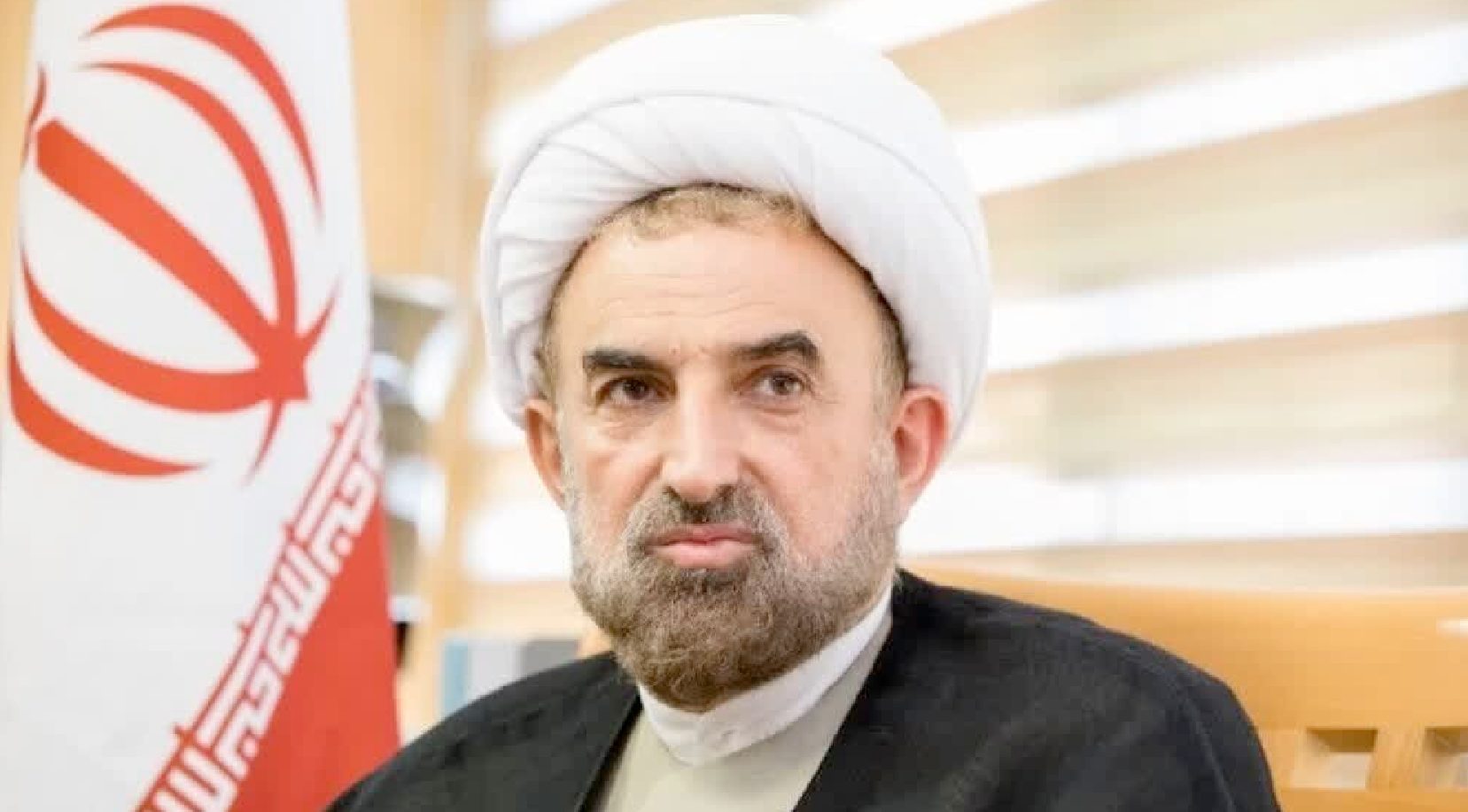
(ZENIT News / Rome, 07.07.2025).- In a striking appeal that merges geopolitical tension with interreligious diplomacy, the Islamic Republic of Iran’s ambassador to the Holy See, Ayatollah Mohammad Hossein Mokhtari, has written directly to Pope Leo XIV, urging him to publicly denounce what Iran describes as threats and insults directed at Supreme Leader Ali Khamenei by the governments of the United States and Israel.
The letter, sent amid rising international tensions, calls on the Pontiff not merely as a head of state, but as a global moral and religious authority, to speak out against what the ambassador termed a “direct assassination threat” against a figure who, in Iran’s view, is both a political leader and a sacred religious authority for Shi’a Muslims.
According to Mokhtari, recent remarks by US officials, including President Trump, as well as statements from Israeli leadership—most notably Foreign Minister Israel Katz—amount to open hostility and an explicit endorsement of targeting Khamenei. The ambassador warns that such rhetoric is not only a violation of international norms but also a direct affront to the religious dignity of the Islamic world.
“The dominant political culture in today’s world has increasingly sidelined spiritual and moral values,” wrote Mokhtari. “What we now see is a growing tolerance for offenses against sacred symbols and traditions—including, in this case, a religious leader held in deep reverence by millions of Muslims.”
He also stressed that these actions should not be viewed merely through a political or legal lens, but must be understood as bearing deeply harmful religious consequences. “Such affronts transcend politics. They injure the soul of a global religious community.”

Appealing to the Christian tradition, Mokhtari drew parallels between the sacredness of religious figures in both Islam and Christianity. “In Christian thought, insults to holy persons are considered a sin—an act of irreverence toward God himself,” he wrote, arguing that silence in the face of these offenses risks sowing division among believers of different faiths.
Positioning Pope Leo XIV as a global advocate of interfaith harmony, Mokhtari noted the Pontiff’s role in promoting dialogue and peace, saying, “You are recognized as a pioneer of interreligious understanding and unity.” He referenced the legacy of the Document on Human Fraternity, signed in 2019 by Pope Francis and the Grand Imam of al-Azhar, as a foundational milestone now at risk.
The letter implicitly suggests that failing to speak out would erode the credibility of decades of Vatican efforts in interfaith dialogue. “Religious tolerance cannot coexist with silence in the face of insults toward other faiths’ leaders,” the ambassador cautioned.
While the Holy See has not issued a formal response, the appeal places the Vatican in a diplomatically delicate position. Traditionally, the Holy See avoids direct entanglements in bilateral hostilities but does often advocate for peace, dialogue, and the defense of religious dignity.
Mokhtari’s letter represents an unusual blend of theological reasoning and international advocacy, placing the Pope at the moral intersection of faith and global power politics. It also illustrates Iran’s strategy of appealing to religious soft power at a time when geopolitical rhetoric intensifies in other quarters.
Thank you for reading our content. If you would like to receive ZENIT’s daily e-mail news, you can subscribe for free through this link.

Publicaciones relacionadas:
 Why didn’t the Pope pray in a Turkish mosque? Trump, Ukraine, and Pope Leo XIV’s next residence
 Communist China recognizes 94-year-old Catholic bishop Melchiorre Shi Honghzen
 What do they think in Vatican about Trump’s victory? First official statements
 Pape Leo Spoke On The Phone With Vladimir Putin: This Is What Their Conversation Was About
