

(ZENIT News / London, 01.06.2026).- Violence in northern Nigeria and mounting pressure on Christian communities across several regions of the world are converging into a pattern that is increasingly difficult to dismiss as isolated or episodic. Recent events on the ground, combined with new data from international monitoring groups, point to a sharp escalation measured not only in narratives of fear, but in numbers that continue to rise.
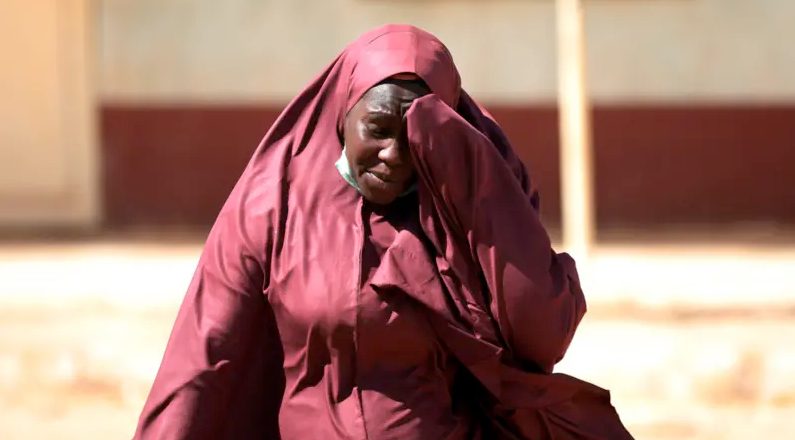
In Nigeria’s Niger State, the latest attack unfolded on the night of 3 January, when armed men stormed the village of Kasuwan-Daji, in the Borgu local government area. According to police, at least 30 villagers were killed. Local residents, however, put the death toll higher, estimating 37 fatalities and warning that the figure could still climb as several people remained missing by 4 January. Catholic sources offered an even darker assessment: the Diocese of Kontagora reported that more than 40 people were killed and that several others, including children, were abducted.
The assault was not brief. Survivors said it lasted up to three hours. During that time, the attackers opened fire on residents, burned down the local market and set several homes ablaze. Villagers also said that armed men had been moving around nearby communities for about a week before the attack, creating an atmosphere of fear that culminated in the massacre. By Sunday, bodies were still lying in Kasuwan-Daji, as residents said they were too afraid to return without visible security protection.
The police stated that officers had been deployed to search for the abducted, but local accounts contradicted this, saying security forces had yet to reach the area. Investigators indicated that the attackers came from the forest reserve along the Kabe district, reinforcing a recurring pattern in which vast, poorly monitored forest zones serve as sanctuaries for armed groups.
The Kasuwan-Daji attack occurred close to Papiri, a community still reeling from the abduction of more than 300 schoolchildren and teachers from a Catholic school in November. Together, these figures underline how mass kidnappings and village raids have become intertwined tactics in a country that is home to dozens of criminal and militant groups operating in regions with limited state presence.
President Bola Tinubu condemned the violence, pledging that the perpetrators would be hunted down and that hostages would be rescued. His remarks framed the attack as a direct challenge to national resolve, promising consequences not only for the gunmen themselves but also for anyone who aided or facilitated them.
These local tragedies form part of a broader and increasingly quantified crisis. A new report released on 30 December by the Christian charity Release International warns that, without rapid intervention and an end to what it calls “global silence,” Christian martyrdoms in Nigeria could double by 2026. The report, Persecution Trends 2026, draws on testimony from partners working on the ground and cites figures from the Nigerian NGO Intersociety.
According to the report, in the first 220 days of 2025 alone, more than 7,000 Christians were killed in Nigeria. Hundreds more were kidnapped, tortured or forced from their homes. The charity says that throughout 2025, persecution intensified particularly in northern Nigeria, driven by militant Islamist groups such as Boko Haram and the Islamic State West Africa Province, as well as extremist Fulani herders.
One wave of violence in June 2025 illustrates the scale. Attacks attributed to Fulani militants in Plateau and Benue states left more than 200 Christians dead and displaced thousands. The Rev. Mark Mukan, a Church of Nigeria priest and partner of Release International, described a pattern that includes targeted killings, church burnings, ransom kidnappings and the forced seizure of farmland and villages. These incidents are often presented as disputes between farmers and herders, he said, but carry clear religious motives against Christian communities.
Nigeria is not alone in the report’s findings. In India, the charity documents worsening conditions throughout 2025, with churches destroyed, pastors jailed and home gatherings and healing prayers banned. One incident in June involved a mob, accompanied by local officials in Rajasthan, attacking a Christian women’s shelter over allegations of fraudulent conversions. Data from the United Christian Forum cited in the report indicate that in 2025 at least 50 incidents of persecution occurred every day across India, with only about 5 percent ever reported. Release International expects conditions there to deteriorate further in 2026.
In Iran, partners describe a sustained campaign against the spread of Christianity. House church leaders and evangelists face arrest, while believers gathering in private homes fear constant surveillance. These pressures have already triggered an exodus, mainly to Turkey, a trend expected to continue into 2026.
Sri Lanka presents a different numerical trajectory. Reported incidents declined from 54 in 2023 to 51 in 2024, and then to 39 between January and October 2025. Yet the report notes that while overt violence and direct threats have decreased, legal and administrative restrictions are increasing, particularly through compulsory church registration and information-gathering by local authorities. Extremist Buddhist and Hindu groups continue to mobilize hostility, often influencing official actions against churches.
In North Africa, the numbers tell another story of attrition. Release International reports an exodus of church leaders from Algeria, where authorities have now closed 16 churches, including the most recent in Bejaia. Meanwhile, 6,000 Bibles, legally imported, have remained held at the port of Algiers for more than three years, despite repeated promises of release.
For Paul Robinson, chief executive of Release International, the statistics are more than abstract indicators. They form a warning that perseverance must be matched by urgency. While the endurance of persecuted Christians offers encouragement, he said, it also demands sustained prayer and attention to ensure that faith communities are not left to bear these rising numbers alone.
From the burned homes of Kasuwan-Daji to daily incidents counted in India, and from mass killings recorded in 220 days to churches numbered and shut one by one, the data point to a global trend measured in lives lost, communities displaced and freedoms curtailed. The figures do not merely describe persecution; they quantify a crisis that continues to expand.
Thank you for reading our content. If you would like to receive ZENIT’s daily e-mail news, you can subscribe for free through this link.

Publicaciones relacionadas:
 Nigeria: 15 Days Later, A New Massacre in Two Churches of the Country
 Christianophobia in Canada: Hate Crimes Skyrocket by 260%
 Alarming increase in hostilities by Jews against Christians (including Catholics) in Israel in 2023
 Revealing Report Highlights Growing Marginalization of Christians in the United Kingdom
