

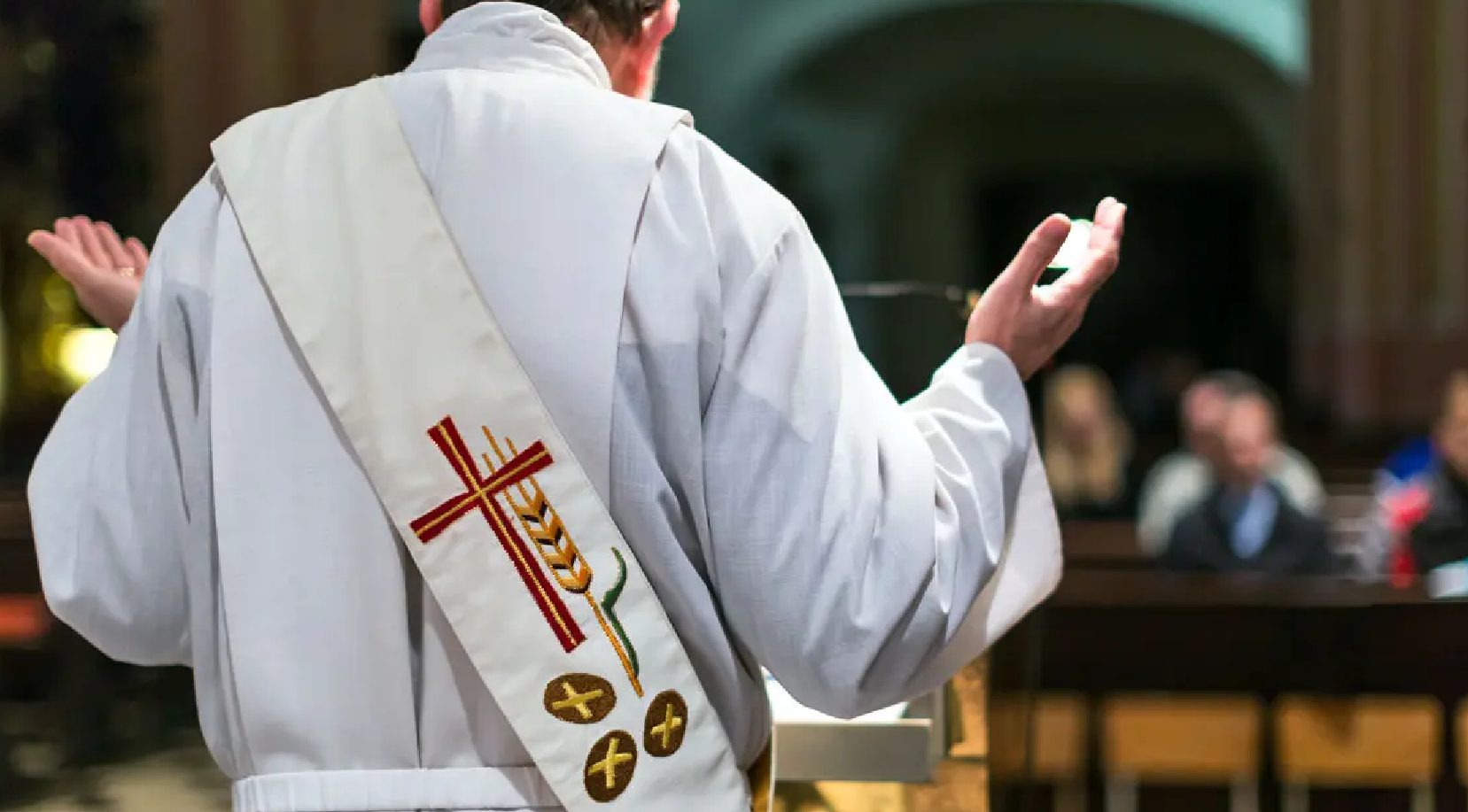
(ZENIT News / Washington, 07.04.2026).- The permanent diaconate in the United States reached an unprecedented milestone in 2025, with the number of permanent deacons climbing to its highest level on record. Yet beneath that encouraging headline lies a more complex reality: demographic trends suggest that the ministry is entering a period in which growth may increasingly depend on replacing retiring deacons rather than expanding the Church’s pastoral presence.
The findings come from A Portrait of the Permanent Diaconate in 2025, the annual national survey conducted by Georgetown University’s Center for Applied Research in the Apostolate (CARA) on behalf of the U.S. Conference of Catholic Bishops’ Committee on Clergy, Consecrated Life and Vocations.
Conducted between February and May 2026, the survey gathered responses from 143 of the 185 archdioceses, dioceses, archeparchies and eparchies with active diaconate offices—a response rate of 77 percent. Based on those data, researchers estimate that the United States now has 21,562 permanent deacons, up from 20,212 reported the previous year.
The increase represents the largest number ever recorded, but the report also points to mounting demographic pressures. During 2025, an estimated 570 men were ordained as permanent deacons nationwide. Over the same period, approximately 494 retired from active ministry and another 390 died, leaving only modest net growth.
Sister Thu Do, LHC, the report’s lead researcher, described the current situation as an important turning point. While ordinations are now approaching a healthier replacement rate than in recent years, she noted that the demands placed on active deacons remain considerable and that the Church must encourage a new generation of candidates if parish ministry is to remain strong in the decades ahead.
Of the nation’s permanent deacons, an estimated 13,864 remain active in ministry, while thousands of others have retired or no longer exercise regular pastoral responsibilities. Their work extends across a wide range of ecclesial life. Although deacons cannot celebrate the Eucharist or hear confessions, they proclaim the Gospel at Mass, preach, baptize, witness marriages, preside at funeral and prayer services, and often coordinate charitable outreach, prison ministry, hospital chaplaincy and faith formation. In many parishes, particularly those with limited numbers of priests, permanent deacons have become indispensable collaborators in pastoral care.
The report’s greatest concern is the age profile of the ministry. The average active permanent deacon is now 69 years old, while the average age across the entire permanent diaconate, including retirees, has reached 70. Only a small proportion of active deacons are younger than 50, making the permanent diaconate one of the oldest groups of ordained ministers in the Catholic Church in the United States.
These demographics explain why retirements now absorb much of the annual increase produced by ordinations. In numerous dioceses, the number of men leaving active ministry nearly equals—or even exceeds—the number entering it. Unless more candidates begin formation, the report suggests that some dioceses could eventually experience a gradual decline in the availability of permanent deacons.
Thank you for reading our content. If you would like to receive ZENIT’s daily e-mail news, you can subscribe for free through this link.

Publicaciones relacionadas:
 In Face of the Assassination of a Presidential Candidate, Pope Sends Message to the Country and to the Politicians
 After WYD, Patriarch of Lisbon Declines Having a Bridge Named after Him “Not To Create Division”
 The 10 Commandments to go to auction in New York: up to $2 million expected in the fight
 Amazon Synodality Enters a New Phase: Cardinal Steiner Elected to Lead CEAMA Through 2030
