

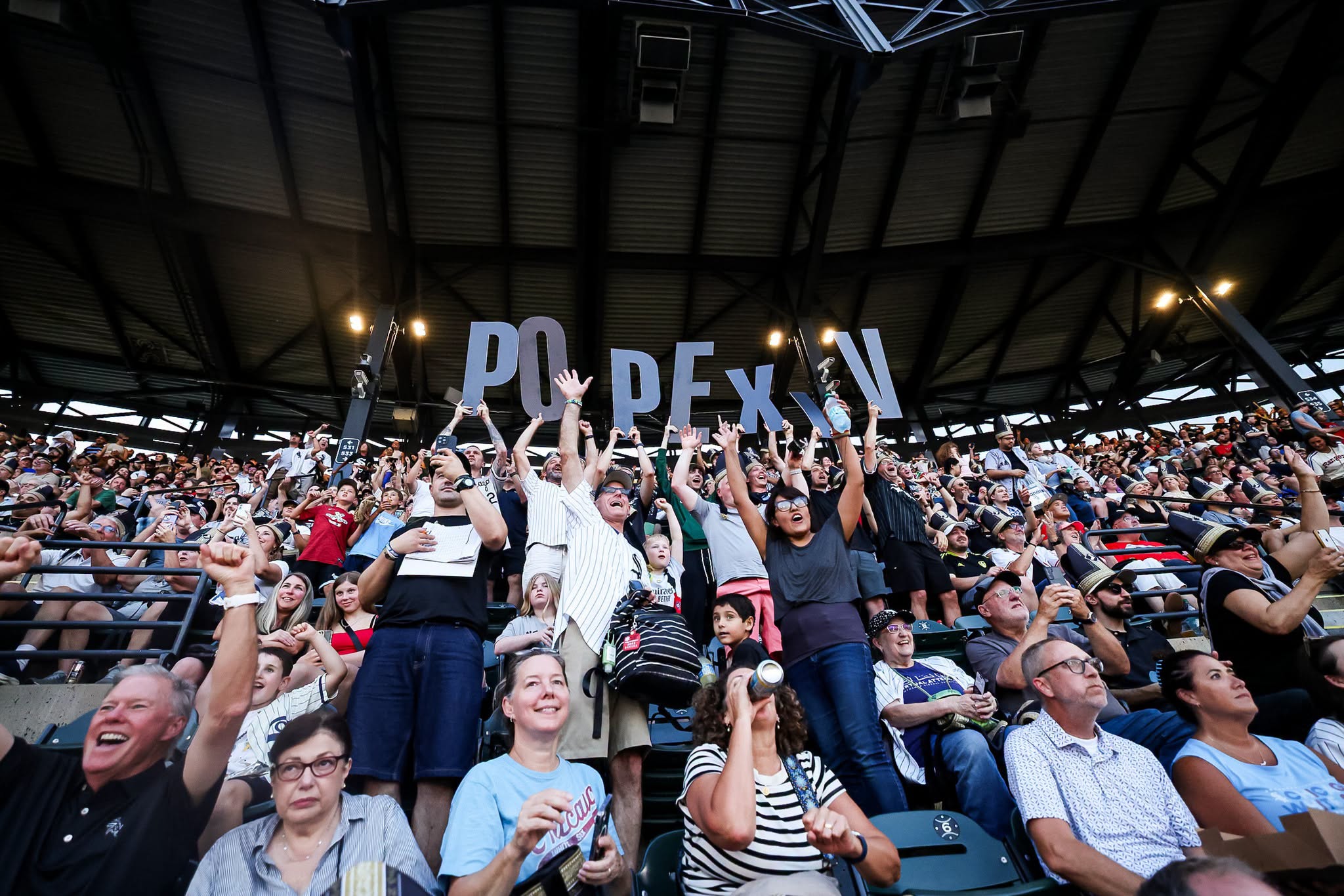
(ZENIT News / Chicago, 08.14.2026).- On a humid August evening in Chicago, a Major League Baseball stadium became something more than a sports venue. For a few hours, Rate Field, home of the Chicago White Sox, was transformed into a uniquely American crossroads where religion, civic identity, popular culture and baseball converged under the figure of one of the world’s most recognizable leaders: Pope Leo XIV.
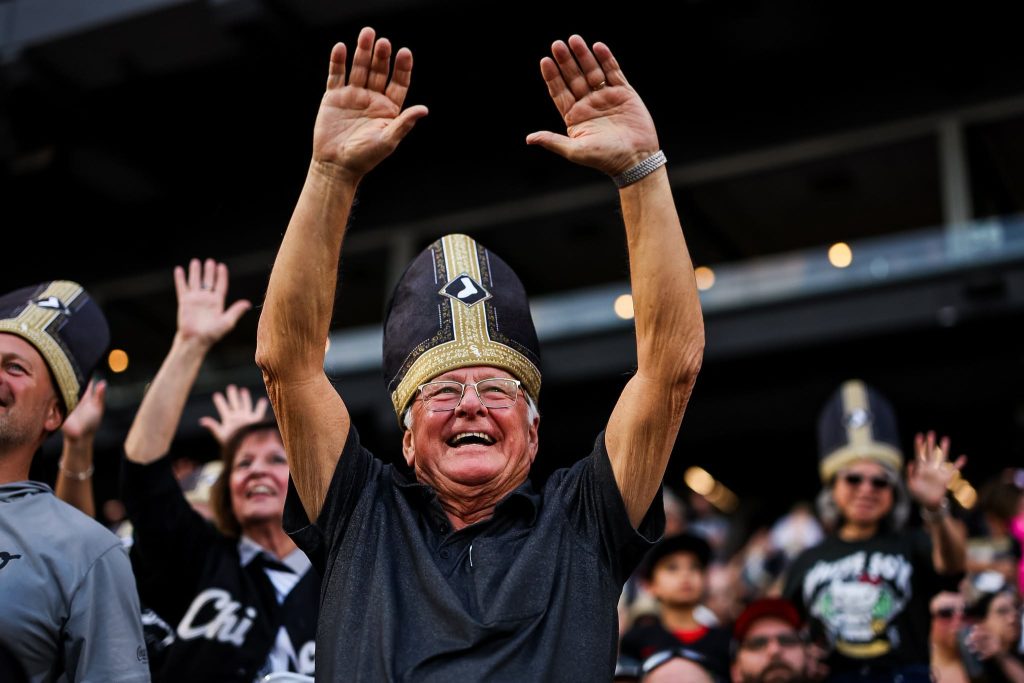
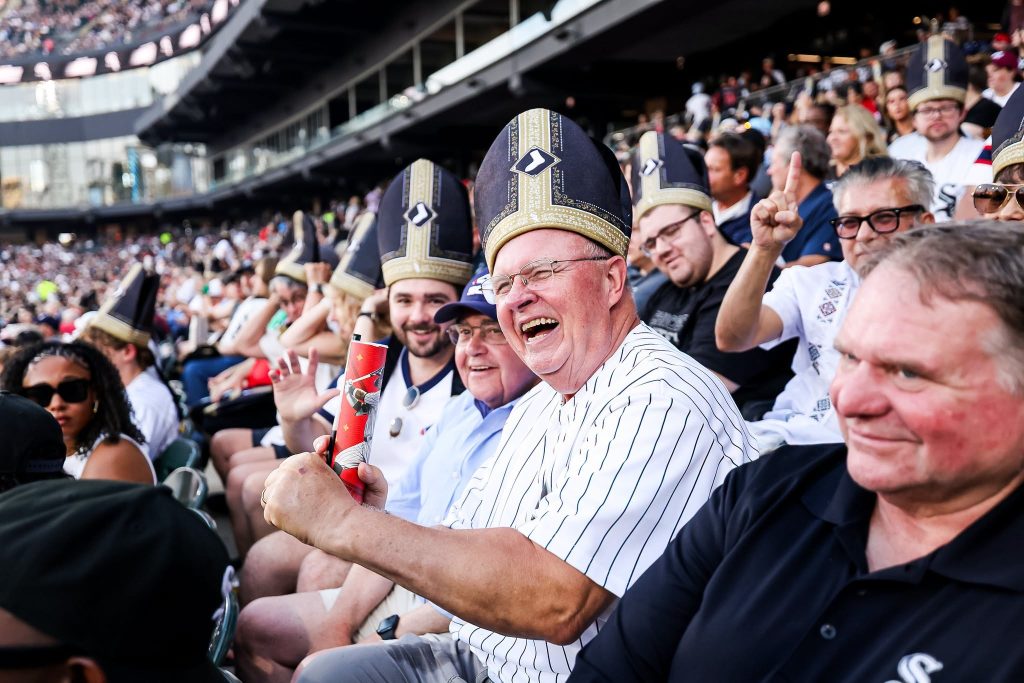
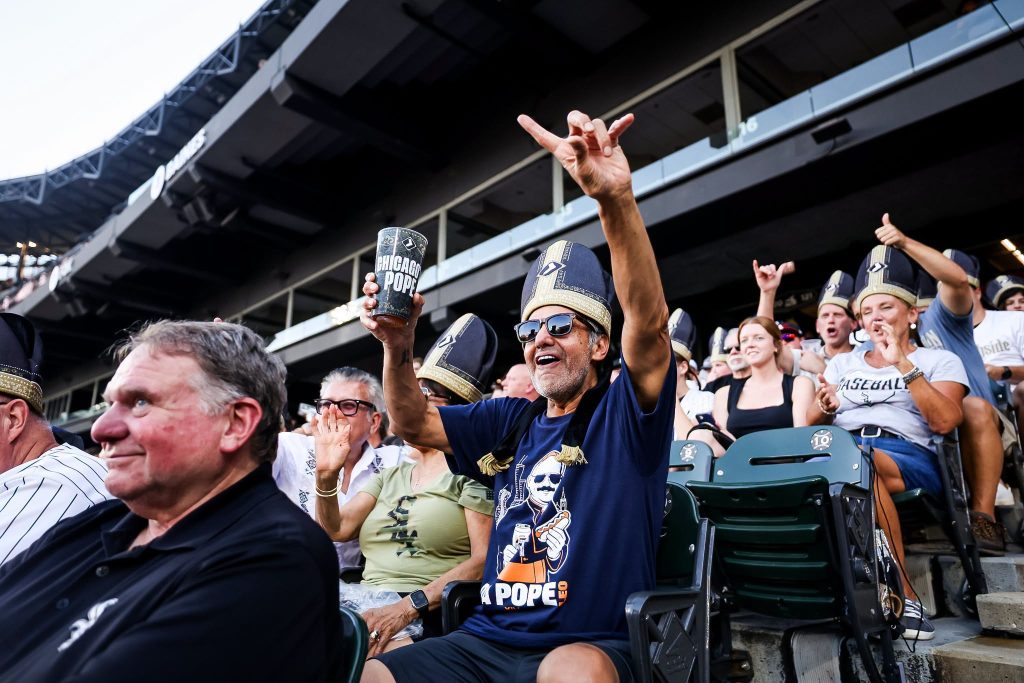
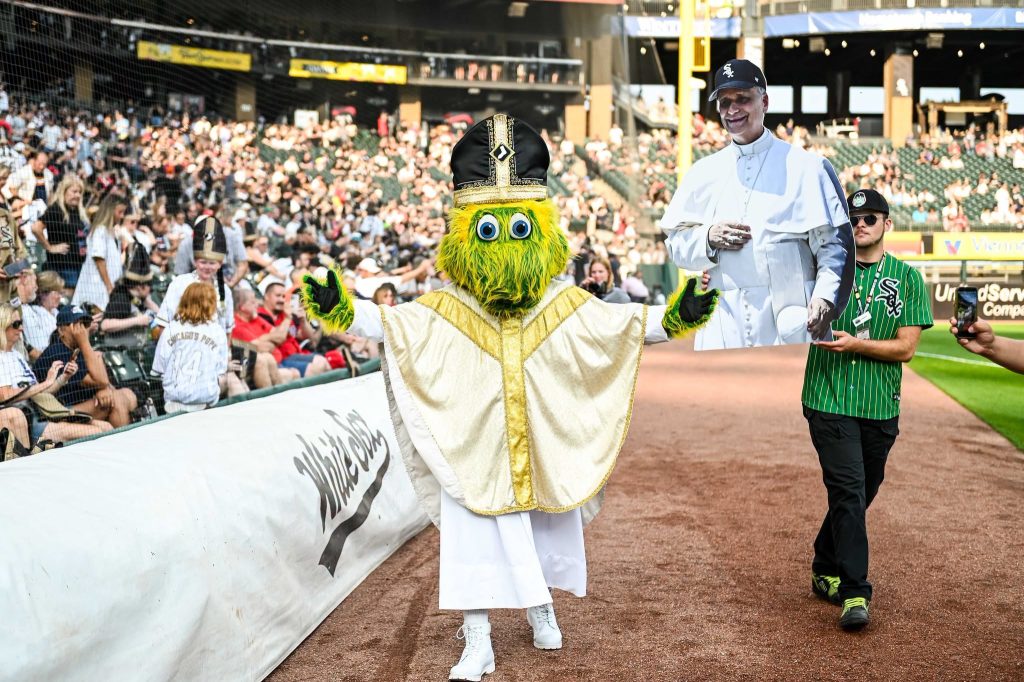
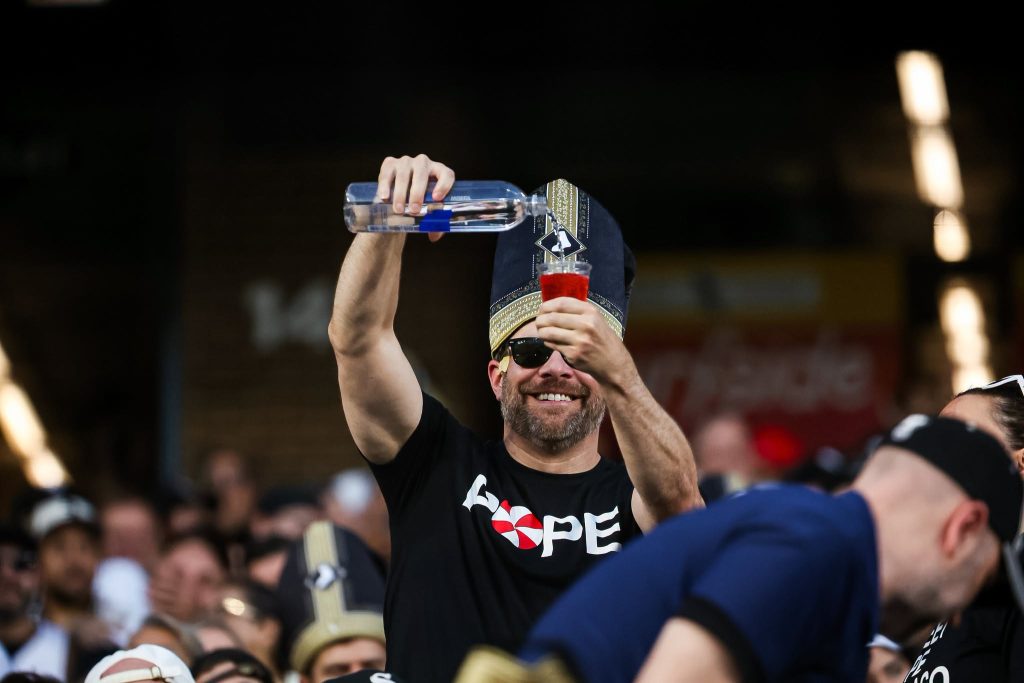
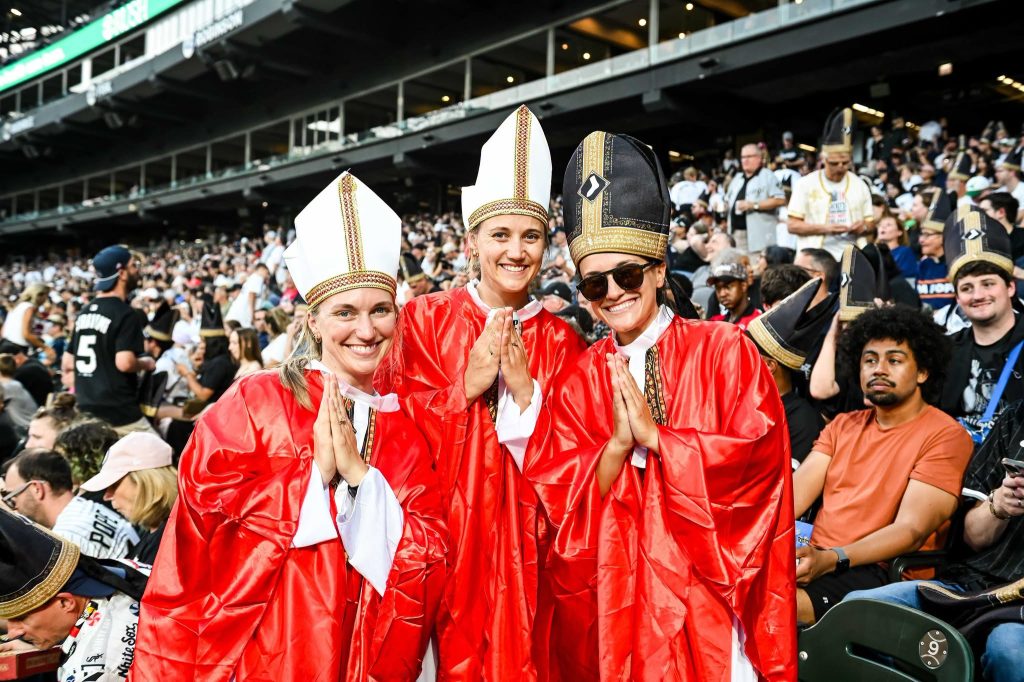
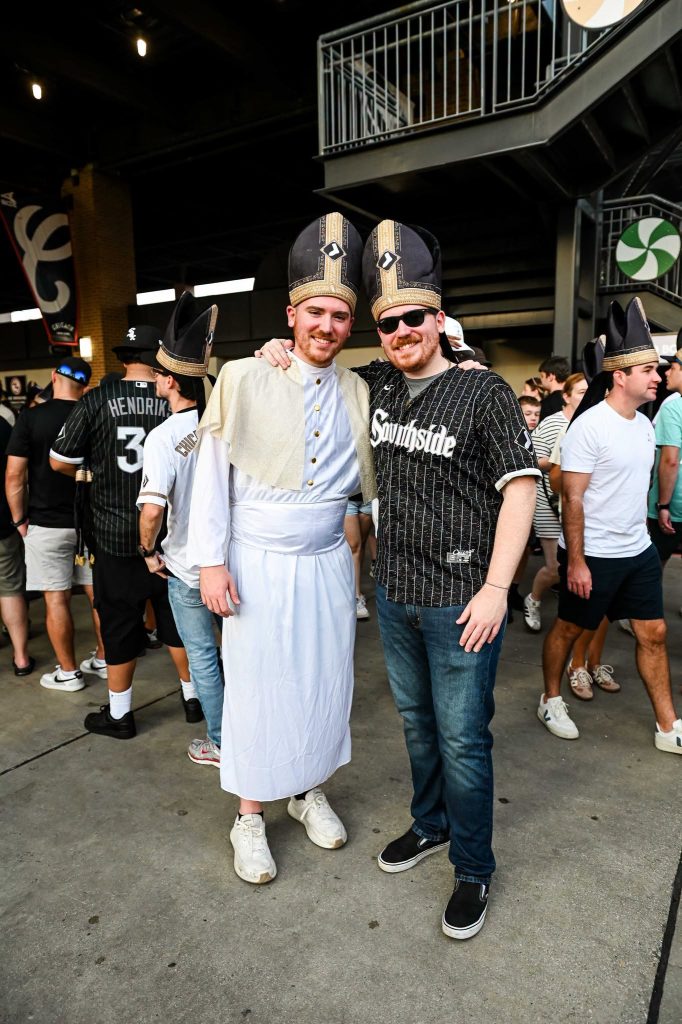
The attraction was not simply the game between the White Sox and the Cincinnati Reds. The real draw was the man whose roots stretch from the Vatican back to Chicago’s working-class South Side. More than 38,000 spectators packed the stadium on August 11, many arriving early to secure one of the now-famous papal-style hats created in honor of the pontiff, born Robert Prevost and long associated with the White Sox.
What began as a modest promotional idea quickly evolved into an unprecedented event for the franchise. Team officials had initially intended to distribute a limited number of papal hats, but demand proved so overwhelming that the organization expanded the giveaway to cover virtually the entire crowd. More than 40,000 replica papal mitres bearing the White Sox logo were ultimately produced, becoming the largest promotional distribution in club history.
View this post on Instagram
The remarkable response illustrates not only the appeal of having a pope connected to the team, but also the powerful symbolic value attached to Leo XIV’s personal story. Unlike many public figures whose identities are shaped by institutions, Leo’s connection to Chicago’s South Side resonates because it reflects the experience of countless local families: immigrant roots, working-class neighborhoods and enduring loyalty to hometown traditions.
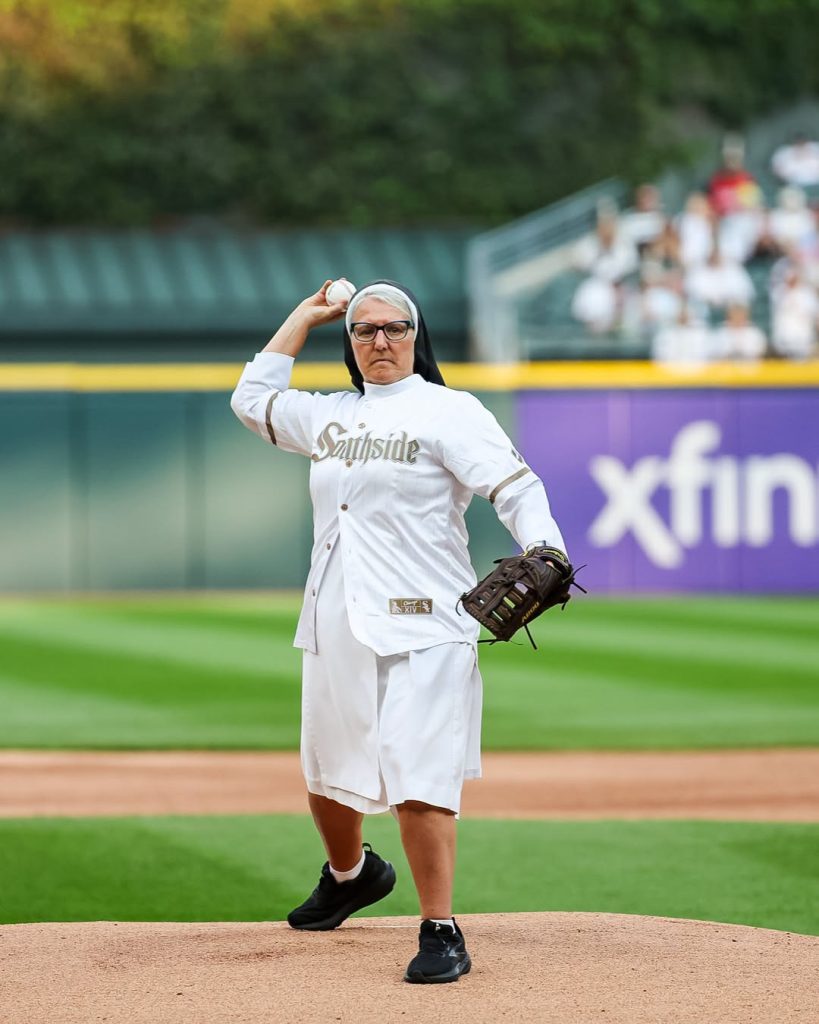
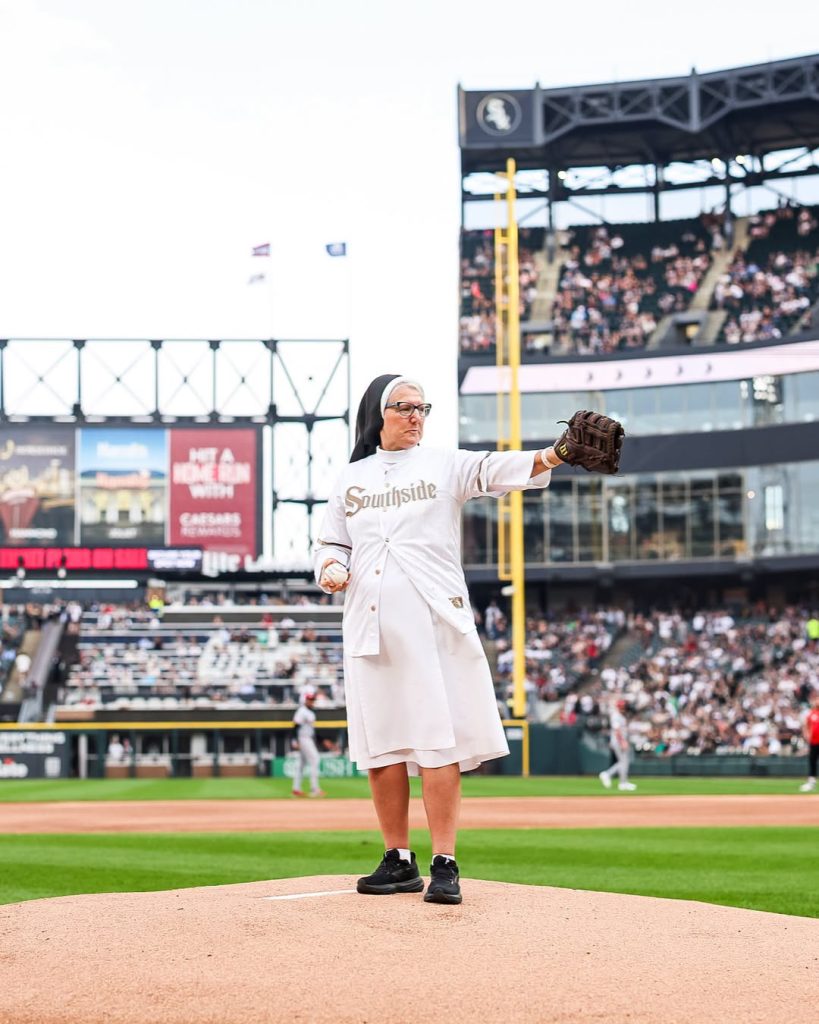
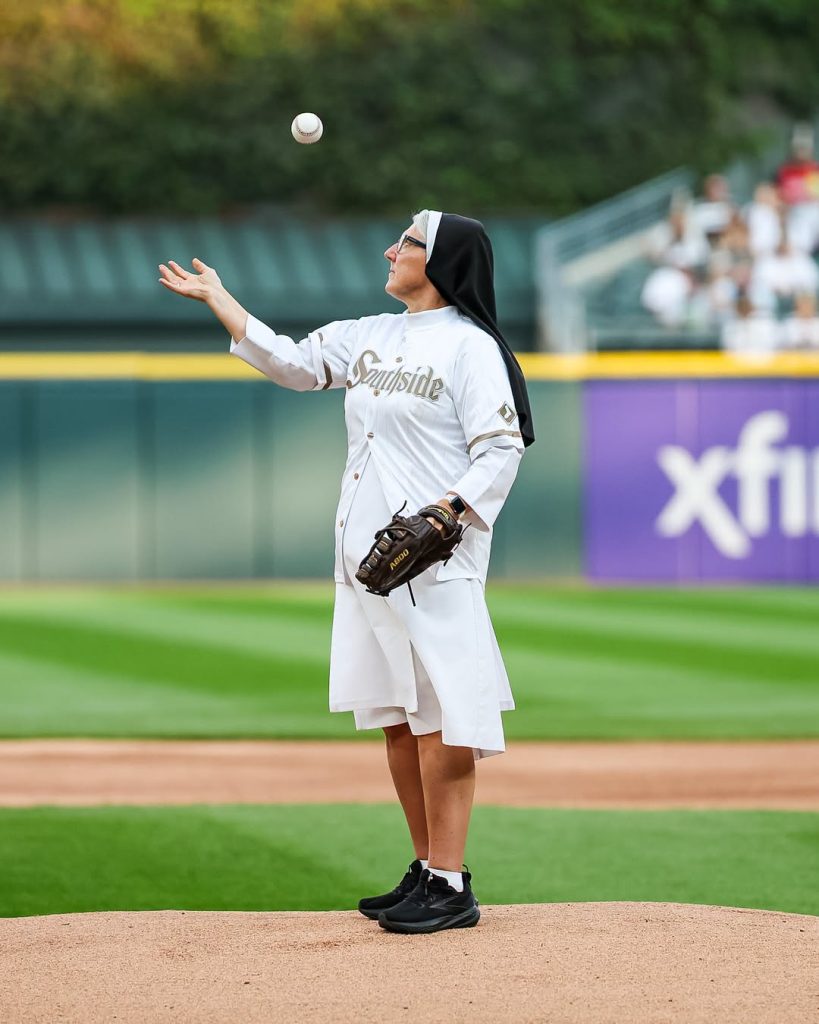
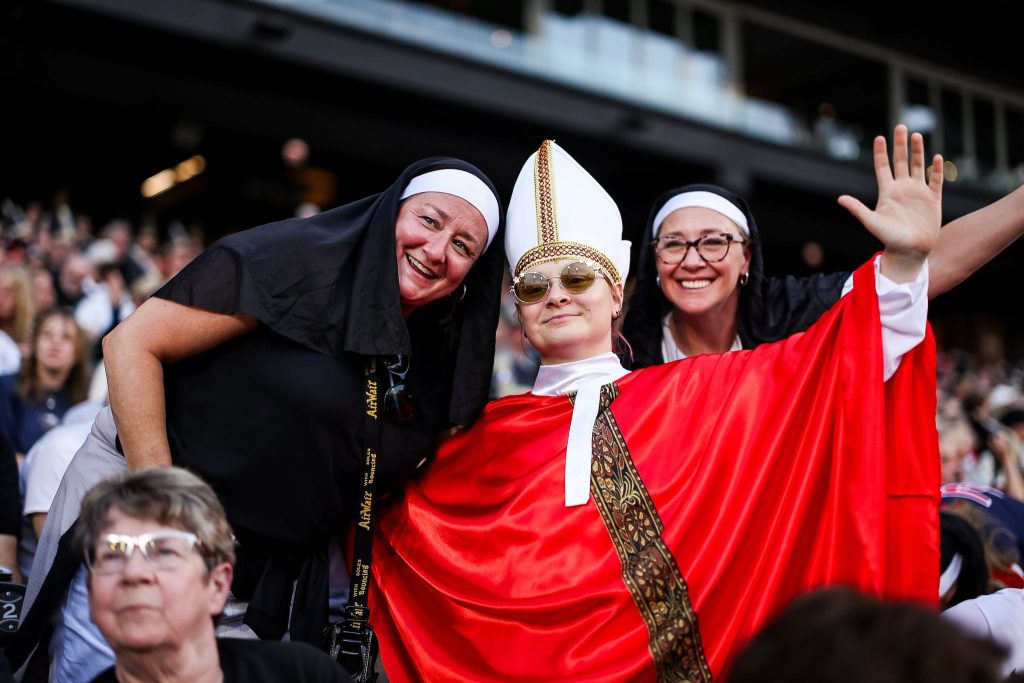
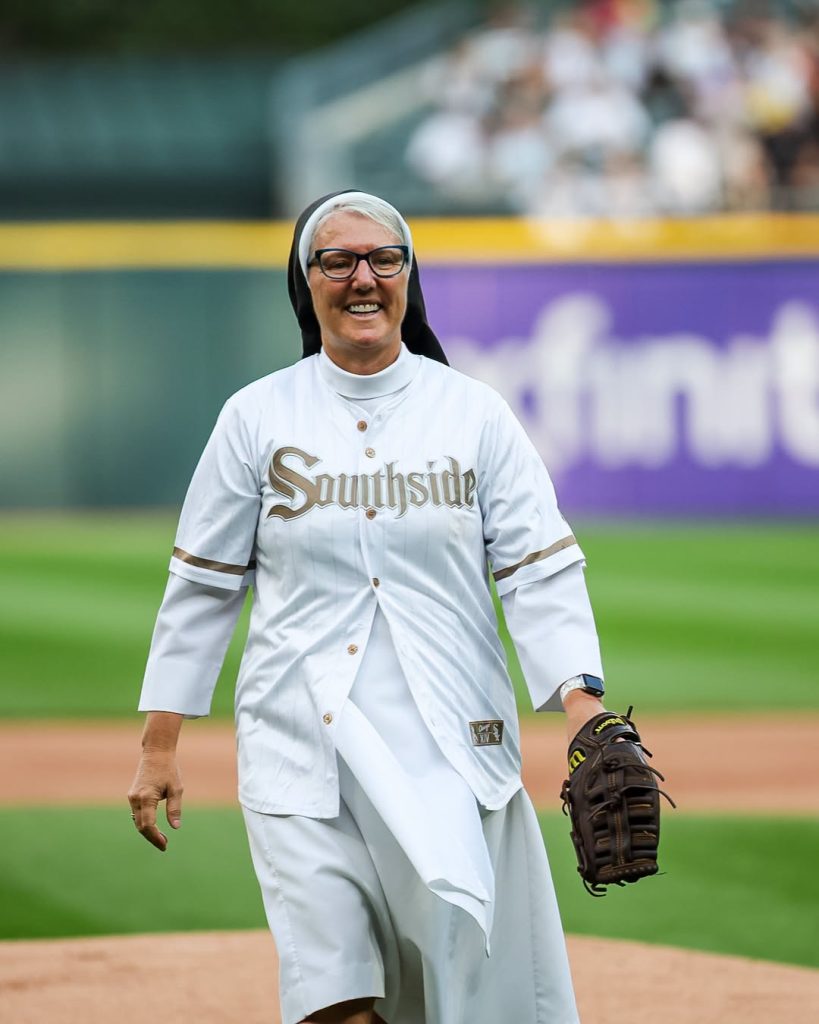
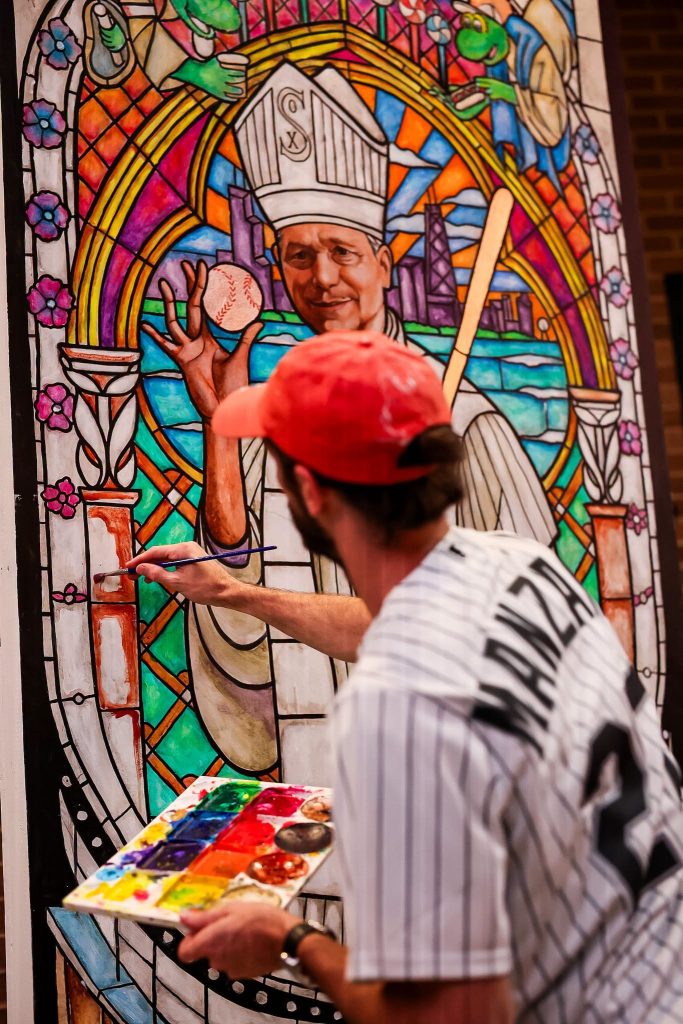
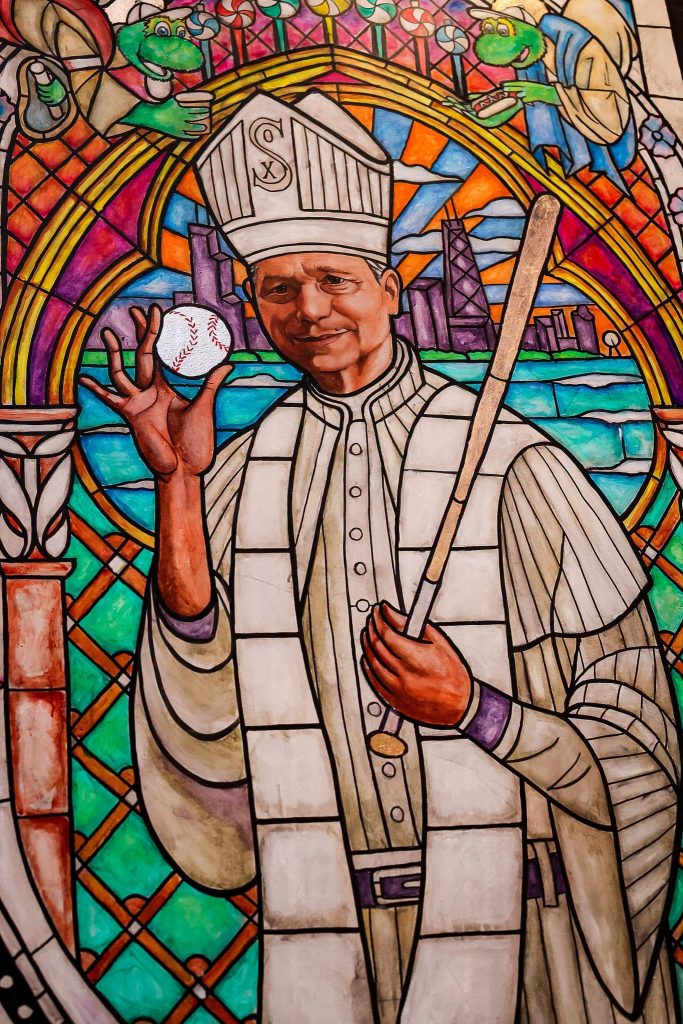
Throughout the evening, the atmosphere blended the familiar rituals of baseball with references drawn from Catholic life. Children from Catholic schools welcomed players onto the field. A live mural honoring the pope took shape in the concourse. The team’s charitable foundation presented a $14,000 donation to the Midwest Augustinians, the religious order to which the pope belongs. Fans lined up not only for hot dogs and beverages but also for photographs with Sister Mary Jo Sobieck, the Dominican nun whose ceremonial first pitch provided one of the night’s most memorable moments.
Already well known in baseball circles for her athletic flair, Sobieck entertained the crowd by bouncing the baseball off her arm before delivering it toward home plate. Yet her broader message was less about showmanship than about community. In her view, there was nothing irreverent about thousands of fans wearing papal headgear. Rather, the event demonstrated how institutions often viewed separately can bring people together when approached with joy and good humor.
That spirit became most visible during an unusual fifth-inning ceremony. Inspired by the Catholic Mass, spectators were invited to exchange a sign of peace with those seated around them. The result was an unexpectedly revealing snapshot of modern America. Catholics immediately recognized the ritual. Others appeared momentarily confused before joining in, creating a scene that was equal parts ecumenical, spontaneous and distinctly Chicagoan. What might have seemed awkward instead became a reminder that public gestures of goodwill can transcend religious boundaries.
The pope’s connection to the White Sox has been a source of fascination since his election. Team executives recall the surprise that followed the announcement that an American cardinal from the Chicago area had become pope. Initial speculation linked him to the city’s more nationally prominent Cubs. It soon became clear, however, that Leo had been a devoted White Sox supporter for years and had even attended games during the franchise’s celebrated 2005 World Series championship run.
Recognizing the historic opportunity, the organization gradually began building a unique relationship with its famous fan. A commemorative marker was installed at the stadium seat associated with his World Series attendance. Public artwork celebrating the connection followed. The «pope hat» promotion represented the most ambitious expression yet of what the club has jokingly referred to as its «divine rise.»
The timing could hardly have been better. After several difficult seasons marked by triple-digit losses, the White Sox are once again relevant in the American League playoff race. Entering the evening with a 61-56 record and having already surpassed the previous year’s attendance figures, the club has experienced a resurgence that some supporters jokingly attribute to heavenly assistance.
View this post on Instagram
Players themselves have embraced the narrative. Catcher Drew Romo, a practicing Catholic, has openly spoken about the role faith plays in keeping professional athletes grounded. Baseball’s relentless cycle of success and failure, he argues, makes spiritual perspective especially valuable. In a sport where even elite hitters fail most of the time, faith can provide stability that statistics cannot.
Indeed, the evening occasionally seemed to encourage belief in baseball miracles. The White Sox jumped ahead early, and a victory appeared within reach. Yet sports have a way of resisting tidy stories. Cincinnati battled back, eventually securing a 5-4 victory in extra innings and quieting a crowd that had hoped for a grand finale worthy of the occasion.
The loss, however, did little to diminish the significance of the event. Fans left carrying papal hats, commemorative jerseys and memories of an experience unlikely to be replicated elsewhere. Few cities could produce a pope with deep local roots. Fewer still could celebrate him through a sold-out baseball game that mixed civic pride, religious symbolism and sporting passion without taking itself too seriously.
In the end, the scoreboard told one story and the evening told another. Cincinnati earned the win. But for one night, the White Sox succeeded in something perhaps more unusual: turning a ballgame into a communal celebration of identity, faith and belonging. In a deeply divided age, that may have been the most remarkable victory of all.
Thank you for reading our content. If you would like to receive ZENIT’s daily e-mail news, you can subscribe for free through this link.

Publicaciones relacionadas:
 Pope Leo XIV grants his first “doctorate”: this is the saint named the 38th Doctor of the Church
 Vogue praises the Pope’s “elegance” and places him on its annual list of best-dressed people
 Photo Gallery: Leo XIV Now Has An Official Mosaic to Enrich St. Paul’s Basilica, and This Is How He Reacted When It Was Shown to Him
 Spanish prisoners will receive Bibles as gifts on the occasion of the Pope’s visit to Spain
