

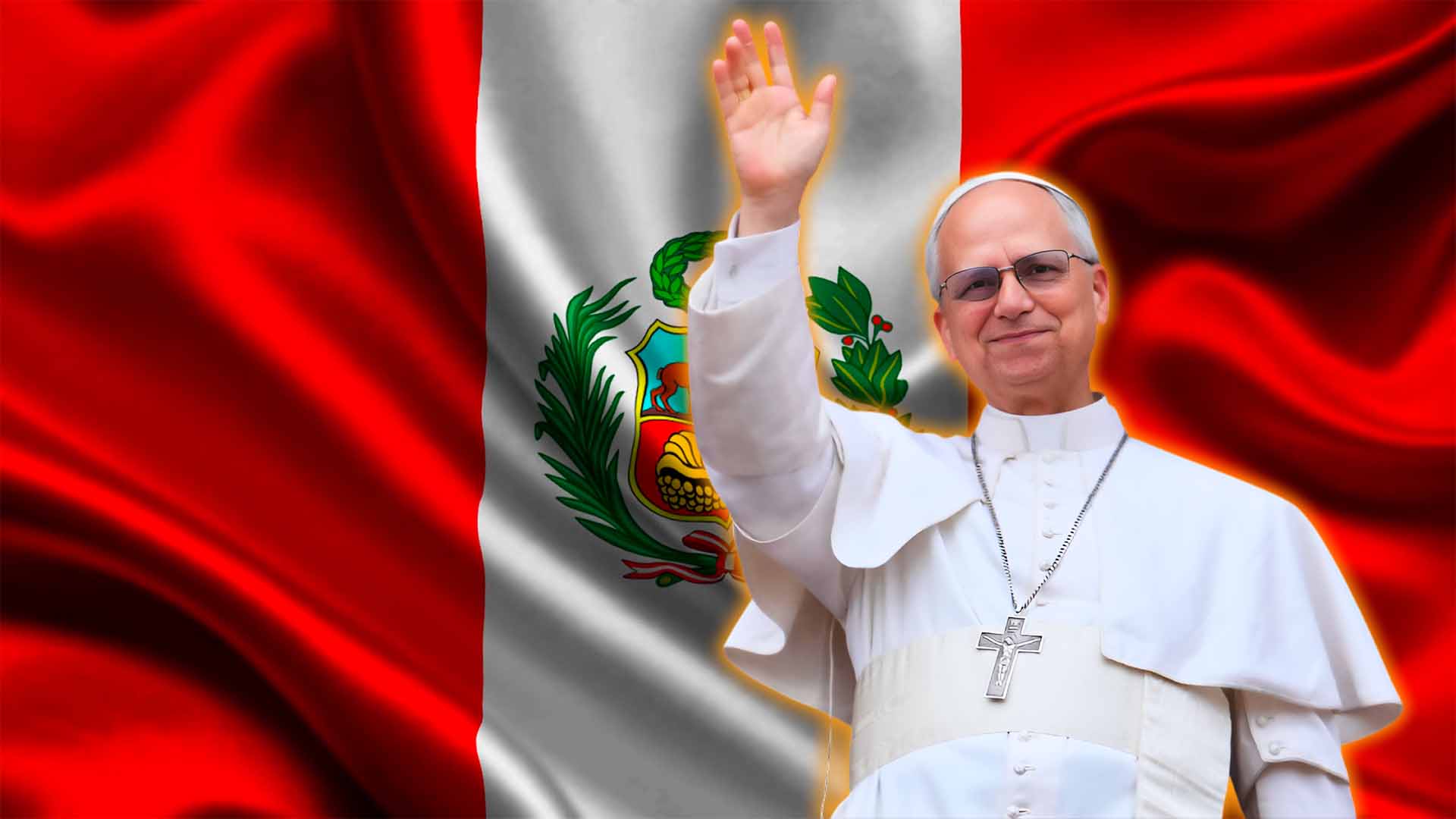
(ZENIT News / Lima, 10.12.2026).- Pope Leo XIV’s planned visit to Peru from November 11 to 16 is shaping up and one of the country’s most significant tourism events, with official projections pointing to millions of people on the move and hundreds of millions of soles in economic activity. The trip will take the Pontiff to Lima, Chiclayo, Cusco and Pucallpa, places whose significance ranges from Peru’s capital to regions closely associated with his years of pastoral service.
The visit’s largest gathering is expected on November 16, when Leo XIV will celebrate Mass at Las Palmas Air Base in Lima’s Surco district. Guillermo Inca, secretary-general of the Peruvian Bishops’ Conference and national coordinator of the papal visit, said organizers expect at least 1.2 million people to attend. The military facility, with its broad, level grounds and extensive evacuation routes, previously hosted a major papal event during Pope Francis’ visit eight years ago.
Another major event will bring the Pope together with young people at Lima’s Monumental Stadium in Ate, which can accommodate more than 80,000 spectators. Inca has expressed the Church’s hope that young Peruvians and university students will turn out in large numbers to meet the Pope and experience his affection for them. The gathering could become one of the most visible moments of a visit intended to reach beyond established Catholic communities and engage a younger generation.
The scale of the expected crowds is also attracting attention from Peru’s economic authorities. According to projections from the Ministry of Foreign Trade and Tourism, more than 3.1 million people will travel around the country in connection with the visit, with approximately half of that movement concentrated in Lima. Authorities also anticipate around 550,000 domestic trips and more than 300 million soles in tourism spending across Lima, Chiclayo, Cajamarca, Cusco and Pucallpa.
The tourism industry has offered its own estimates. The National Chamber of Tourism of Peru expects total visitor numbers to reach 1.5 million, including approximately 400,000 international travelers, and forecasts an economic return of between $80 million and $100 million. The figures use different measures of travel and economic activity, so they should not be treated as directly interchangeable. Together, however, they indicate the scale of the preparations required for a visit expected to place considerable pressure on transport, accommodation and public services.
Regional projections add another dimension. In Pucallpa, the regional tourism authority anticipates at least 50,000 visitors and economic activity worth 24 million soles. In Lambayeque, the local Chamber of Commerce has projected an impact of up to 750 million soles. These estimates reflect the expectation that pilgrims and other visitors will spend money not only in the capital but also in the regions included in the wider papal itinerary.
For Chiclayo, the visit carries a particularly personal significance. Leo XIV served as the city’s bishop from 2015 to 2023, before his election to the papacy. His return is therefore expected to bring together the symbolism of a papal journey with the memories and relationships formed during years of local ministry. That connection helps explain why enthusiasm for the trip extends beyond the logistical preparations and commercial forecasts.
The economic benefits, if the projections are realized, could be substantial for hotels, restaurants, transport operators and small businesses. But the significance of a papal visit cannot be measured solely in visitor numbers or revenue. Large-scale Masses and encounters with the faithful are also expressions of the Church’s public presence, bringing people together around a religious event that many regard as a once-in-a-lifetime experience.
With 1.2 million people expected at the closing Mass alone, the November journey will test the country’s capacity to welcome crowds while offering Leo XIV an opportunity to renew his connection with a nation where he spent eight formative years of episcopal ministry.
Thank you for reading our content. If you would like to receive ZENIT’s daily e-mail news, you can subscribe for free through this link.

Publicaciones relacionadas:
 Pope confirms new Custos of the Catholic Church for the Holy Places in the Holy Land
 Healing the Healer: Pope Leo XIV intervenes at Padre Pio of Pietrelcina’s hospital. Why?
 Pope Leo XIV Approves a New Bishop Appointed by the Chinese Government for a Diocese in That Country
 Another (Extremely) Young Bishop for China: Leo XIV Approves Candidate for Important Historic Diocese
