

(ZENIT News, Brussels, 11.25.2026).- The European Union (EU) is the world’s top tourism destination, and the European Commission — the Union’s executive body — is proposing a strategy to strengthen this position. However, the Commission does not explicitly mention the five Catholic shrines with the highest numbers of visitors, which together welcomed 17 million pilgrims in 2025.
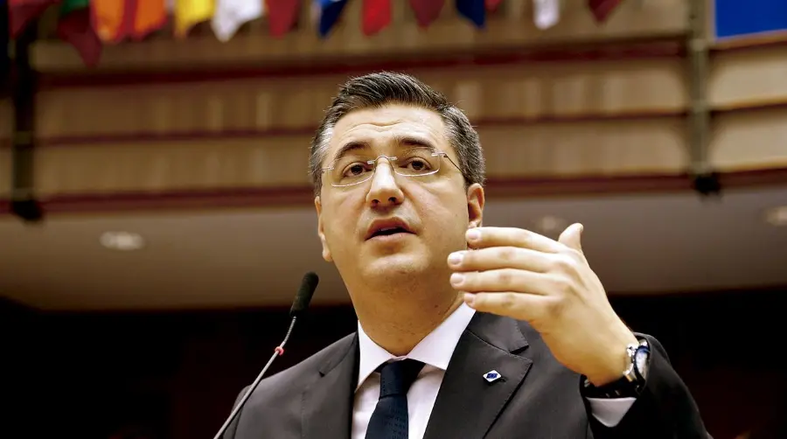
Apostolos Tzitzikostas, the EU Commissioner for Tourism, stated during a press conference on November 9 that «tourism is one of Europe’s greatest strategic economic assets. It drives growth and innovation, creates millions of jobs, and supports businesses and communities in every corner of Europe.» He further noted that, «in the current global context, the tourism sector faces several challenges, including geopolitical uncertainty, the impact of climate change, and the evolving expectations of travelers.»
The EU Commissioner for Tourism highlighted the sector’s impact on businesses, workers, and the entire European economy, noting that it «contributes 10% of the EU’s gross value added.» Furthermore, it «supports more than 20 million jobs across 5 million businesses.» He pointed out that 99% of these are small and medium-sized enterprises. «While tourism bolsters local economies throughout the Union, it also fosters culture and shapes Europe’s global influence.»
However, the Commissioner overlooked the role that the European Continent plays in human enrichment for the 40% of the world’s tourists who visit it, whether through its cultural wealth, the relaxation found in its landscapes, or the profound, sacred experiences offered by its many cathedrals and chuches, scattered across every corner of the Union’s Member States.
As the architect of the «European Strategy for Sustainable Tourism,» recently launched by the Commission, he anticipates that it «will help businesses grow and workers develop their skills; it will support destinations in creating a balanced tourism offering, enhance the traveler experience, and maintain Europe’s position as a leading global tourist destination.»
The significance of major shrines is evident in the case of Lourdes, which welcomed 3 million visitors in 2025, despite being tucked away in a hard-to-reach corner of the French Pyrenees. Similarly, 6.5 million people visited the Shrine of Fátima in Portugal, a location also situated well off the beaten path of typical vacation routes. From an economic perspective, the Commission points to several issues: «In the current global context, the tourism sector faces various challenges, including geopolitical uncertainty, a shortage of skills and talent, the impact of climate change, and shifting traveler expectations.» To address these, Tzitzikostas explains: «Common challenges require a shared approach. Therefore, the strategy will help tourism businesses, especially SMEs and destination management organizations, gain access to the skills, digital tools, and data needed to innovate and grow sustainably.»
It is often forgotten that the Camino de Santiago drew half a million pilgrims, who received the ‘Compostela,’ or certificate of completion, in addition to the conventional tourists who visited the shrine in Santiago. Similarly, two million people made a pilgrimage to Medjugorje; such examples show that people travel for reasons that go beyond mere economic or recreational interests.
Raffaele Fitto, Vice-President of the European Commission, emphasized in Brussels: «Tourism is one of the greatest opportunities for territorial development in Europe. With this strategy, we are bringing together European policies and tools to fully harness the potential of tourism. Our goal is to ensure that tourism generates growth and prosperity across all our regions, while preserving the diversity and unique identity of our territories.»
Those who have put forward a plan to boost tourism in Europe, viewing it through a purely capitalist and consumerist lens, would do well to consider the 6.9 million visits to the Vatican last year — visits that often entail waiting over an hour to enter St. Peter’s Basilica — or the 50,000 people who gather weekly to join the Pope for the Sunday Angelus prayer. After all, people, including tourists, have a heart and a soul, not just dollars.

Publicaciones relacionadas:
 How many Catholics are there in the world? Catholic Church Statistics 2023
 What Do People Expect From Their Politicians in Regard to Religion? A Study Gives the Answer
 Australia: data suggest that more and more people are seeking God
 The Bible and Young People: 7 Striking Findings from New Global Research
