

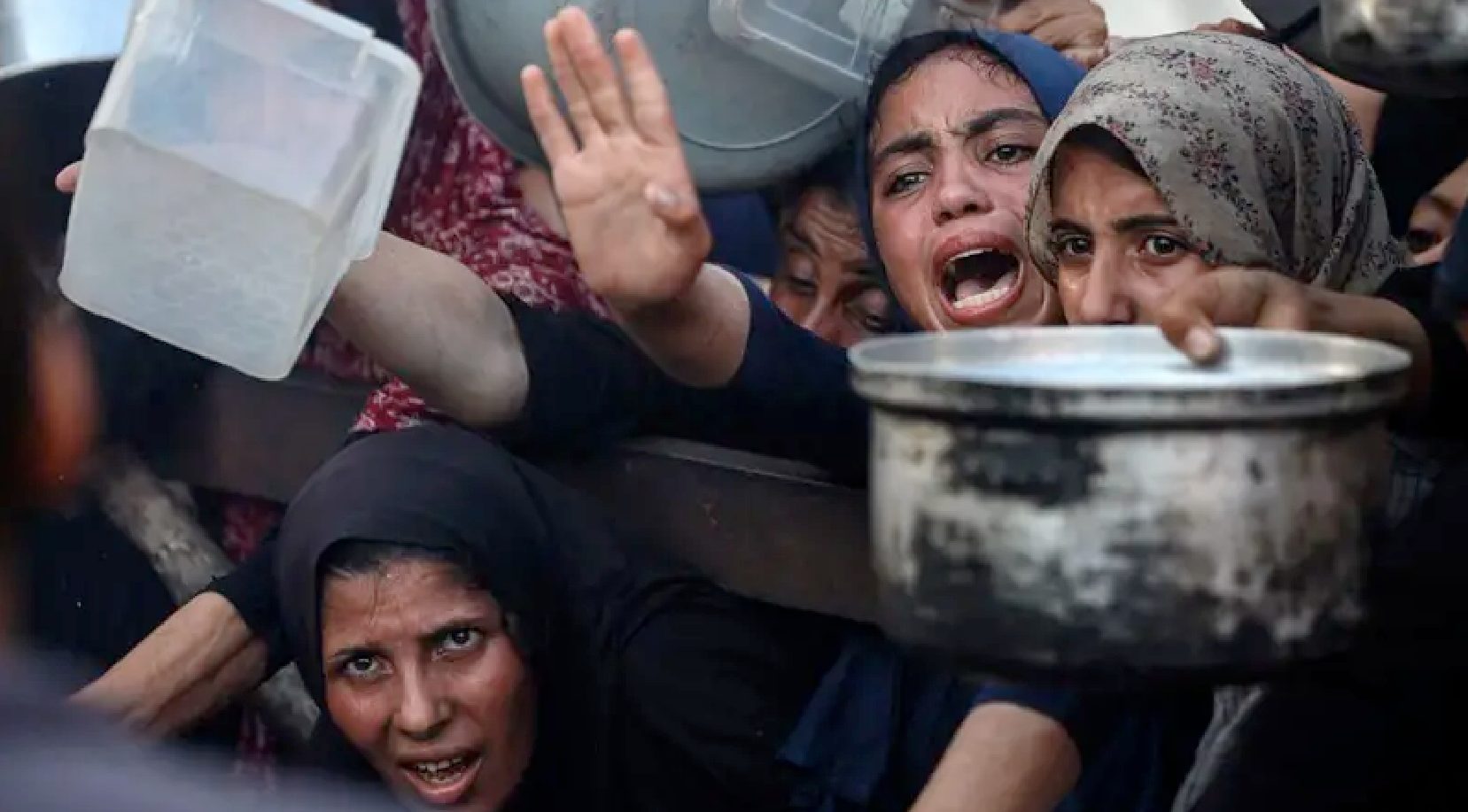
(ZENIT News / Jerusalem, 01.03.2026).- As the calendar turns toward 2026, a new deadline is reshaping the humanitarian landscape in Gaza and the West Bank. Beyond the front lines and ceasefire declarations, Israel’s decision not to renew the operating licenses of dozens of international non-governmental organizations becomes effective, with consequences that extend far beyond administrative compliance.
According to Israeli authorities, between 25 and nearly 40 international NGOs losed their authorization to operate as of January 1, after failing to meet newly imposed registration requirements. The Ministry for Diaspora Affairs and the Fight Against Antisemitism, which oversees the process, has framed the move as a security necessity. Officials argue that stricter scrutiny of staff lists, funding sources, and internal structures is essential to prevent humanitarian frameworks from being exploited by militant groups operating in or around Gaza.
The new system goes well beyond routine bureaucratic oversight. Organizations were asked to submit detailed information on both foreign and Palestinian employees, disclose funding channels, and accept conditions that many aid agencies consider politically charged, including explicit commitments not to pursue legal action against Israeli military personnel in international courts. For Israel, these measures are presented as safeguards. For humanitarian actors, they represent a red line.
The list of affected organizations reads like a directory of global humanitarian response: Doctors Without Borders (Médecins Sans Frontières), Oxfam, CARE International, the Norwegian Refugee Council, ActionAid, and several Catholic agencies, including Caritas Jerusalem and Caritas Internationalis. Collectively, these groups provide medical care, food assistance, water distribution, shelter, and social services to hundreds of thousands of Palestinians in a territory where infrastructure has been devastated by months of conflict.
Doctors Without Borders has been among the most vocal critics. Israeli officials have alleged that individuals affiliated with the organization had links to Palestinian armed groups such as Hamas or Islamic Jihad, accusations MSF has categorically rejected. The organization insists that it applies rigorous vetting procedures and that publicly airing unsubstantiated claims endangers humanitarian staff and patients alike. For MSF, the stakes are concrete: without a valid registration, it would be forced to halt operations within weeks, cutting off support to hospitals, maternity wards, trauma units, and field facilities that currently serve a substantial share of Gaza’s population.
Catholic institutions have responded along a different, but equally firm, line. The Latin Patriarchate of Jerusalem issued a formal statement defending Caritas Jerusalem, stressing that it is not a conventional NGO but an ecclesiastical juridical person operating under the authority of the Assembly of Catholic Ordinaries of the Holy Land. Its legal status, the Patriarchate recalls, was explicitly recognized by the State of Israel through bilateral agreements signed with the Holy See in 1993 and 1997. On that basis, Caritas Jerusalem has not sought re-registration under the new Israeli system and maintains that it will continue its humanitarian and development work in Gaza, the West Bank, and Jerusalem in accordance with its mandate.
This position carries both legal and symbolic weight. It highlights an unresolved tension between Israel’s domestic regulatory framework and international or bilateral agreements that predate the current crisis. It also places the Catholic Church, through its local structures, in a delicate posture: asserting rights and continuity of mission without escalating a political confrontation in an already volatile context.
International reactions have been swift and sharp. The European Union has openly questioned the applicability of the new registration law in its current form, calling for the removal of all obstacles to humanitarian access. Palestinian authorities have denounced the decision as arbitrary and have urged the United Nations and the broader international community to consider punitive or deterrent measures. Human rights organizations, including Amnesty International, have gone further, describing the suspension of licenses as collective punishment that violates international humanitarian law.
These diplomatic statements intersect with a stark reality on the ground. Gaza’s economy is largely paralyzed, unemployment is widespread, and access to food, clean water, and medical care depends heavily on international aid. During a recent visit to the Strip, Latin Patriarch Pierbattista Pizzaballa painted a bleak picture: with incomes gone and markets barely functioning, most families survive only because humanitarian assistance, after long delays, has begun to flow again. Any disruption, he warned, would have immediate and severe consequences.
Israel has partially eased some restrictions on aid deliveries in recent weeks, but humanitarian agencies report that access remains below levels needed to meet basic needs, and below commitments made under the October ceasefire framework. In this environment, the withdrawal of experienced international organizations risks hollowing out what remains of Gaza’s already shattered health and social services.
At its core, the dispute is not only about security vetting or administrative sovereignty. It raises a more fundamental question about the balance between legitimate security concerns and the obligation to ensure the survival of a civilian population in crisis. By turning registration requirements into a de facto gatekeeper for humanitarian presence, Israel is redefining the terms under which aid can be delivered in one of the world’s most scrutinized conflict zones.
Thank you for reading our content. If you would like to receive ZENIT’s daily e-mail news, you can subscribe for free through this link.

Publicaciones relacionadas:
 Israel: ‘Netanyahu against NGOs, deadly attack on Israeli society’
 Christian Brothers Schools in Jerusalem Protest Israeli Restrictions on Palestinian Teachers
 Jewish state of Israel lifts ban on Church charity arm: Caritas will be able to continue working in Gaza
 The last historic Christian village in the Holy Land, threatened with annexation by the Jewish state of Israel
